
Fri Jan 16 21:30:00 UTC 2026: ### Rampaging Elephant Kills 20 in Jharkhand, India, Sparking Widespread Panic and Search Operation
The Story:
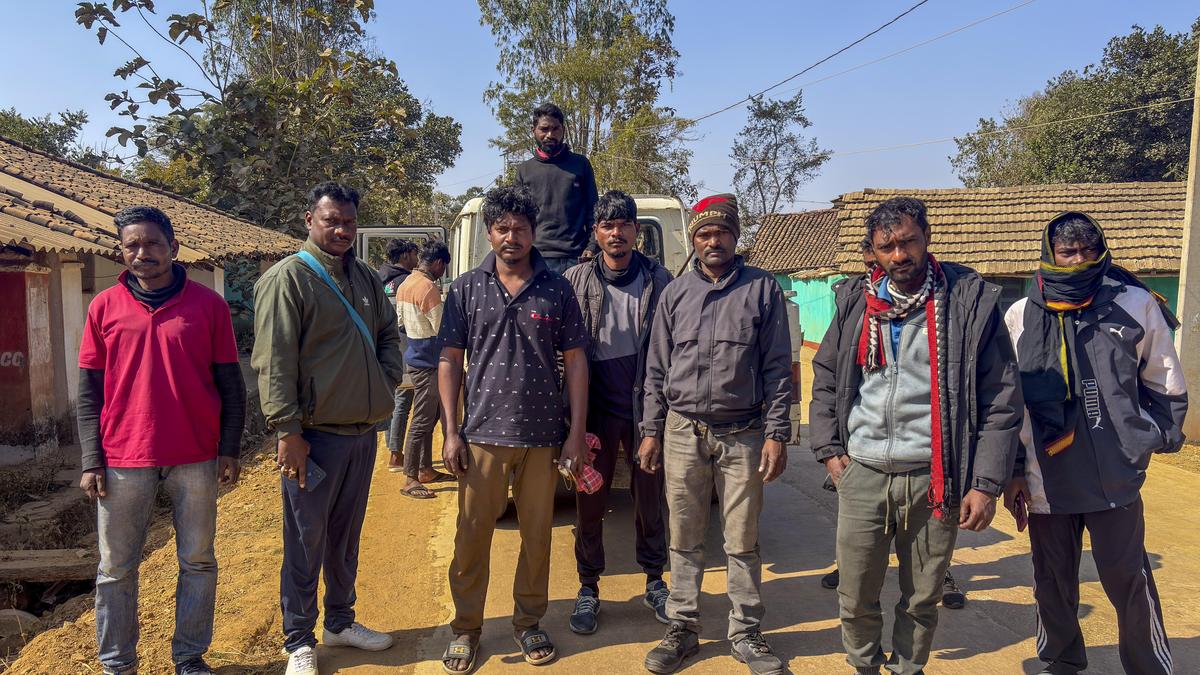
A wild, single-tusked male elephant has killed 20 people in the Chaibasa and Kolhan forest areas of West Singhbhum district, Jharkhand, between January 1 and January 9, 2026. The attacks, primarily occurring at night, have instilled widespread panic among villagers, disrupting daily life and forcing many to seek refuge in safer locations. A massive search operation, involving the Jharkhand Forest Department and specialists from neighboring states, is underway to locate and tranquilize the animal. The crisis has brought to the forefront the escalating human-wildlife conflict in the region, exacerbated by habitat degradation and deforestation.
Key Points:
- 20 people were killed by a single, wild tusker in West Singhbhum district between January 1 and January 9, 2026.
- Attacks primarily occurred at night, prompting villagers to take drastic measures for safety, including abandoning their homes.
- A large-scale search operation is in progress, involving the Jharkhand Forest Department and specialists from Odisha and West Bengal.
- The elephant has also destroyed houses and killed livestock.
- Habitat degradation due to iron ore mining is identified as a contributing factor to the increased human-elephant conflict.
- The Saranda forest, home to the Singhbhum elephant reserve, faces threats that are driving elephants into conflict with humans.
- A study shows that elephant populations have dropped significantly in recent years.
Critical Analysis:
The historical context provided does not directly connect to the primary article about the elephant attacks. The other news items focus on political and legal matters within Jharkhand (ED officer probe, BJP leadership) and isolated incidents (explosions). There is no direct link to the causes or implications of the human-elephant conflict.
Key Takeaways:
- The increase in human-elephant conflict in Jharkhand is a serious issue with deadly consequences.
- Habitat degradation and deforestation are major contributing factors to the conflict.
- Urgent action is needed to protect both human lives and elephant populations.
- Long-term solutions must address the root causes of the conflict, including mining activities and habitat loss.
- The dependence of tribal communities on the forest for their livelihood and shelter puts them at direct risk.
Impact Analysis:
The rise in human-elephant conflict has significant long-term implications:
- Economic impact: Loss of human life, damage to property, crop losses, and the cost of managing the conflict will affect the economic well-being of local communities and the state.
- Social impact: Increased fear, displacement, and psychological trauma among villagers can disrupt social structures and community bonds.
- Environmental impact: Continued habitat loss and the potential decline of elephant populations can have cascading effects on the ecosystem.
- Political impact: The government will face increasing pressure to address the conflict and implement effective conservation measures. Failure to do so could lead to social unrest and political instability.
- The need for revised land use policies, stricter environmental regulations, and community-based conservation efforts is highlighted by this tragic situation.
 First Piper