
Sat Jan 17 02:30:00 UTC 2026: ### Bengaluru’s Slum Crisis: A Cycle of Growth, Demolition, and Displacement
The Story:
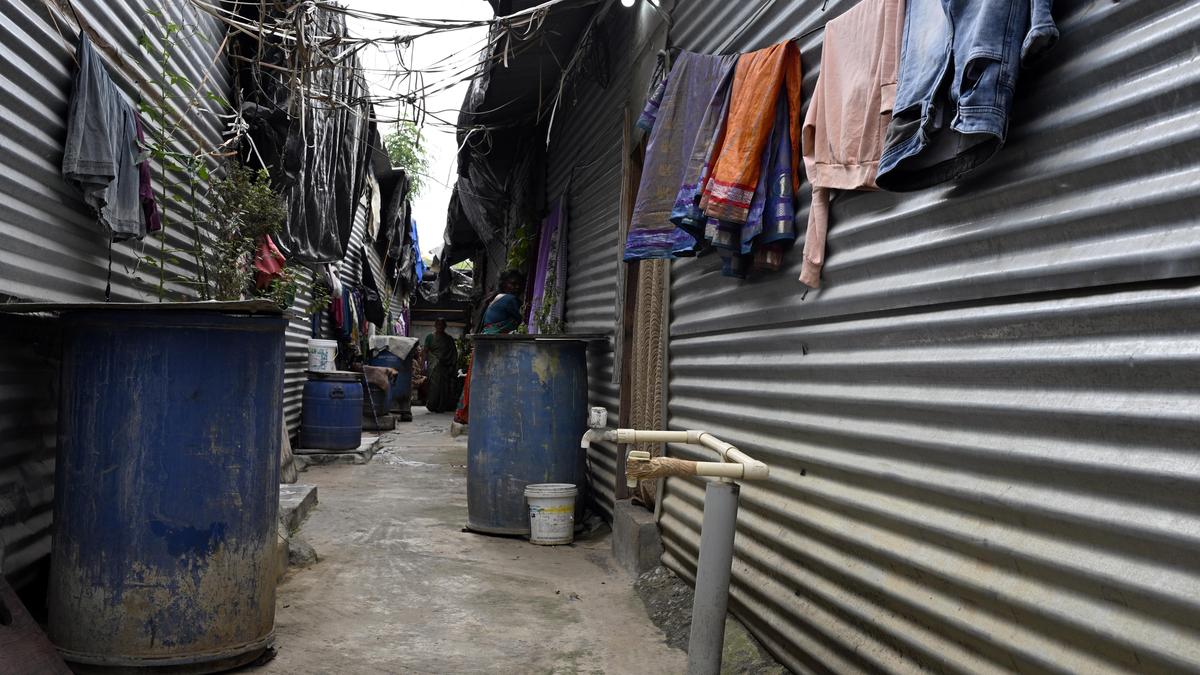
A recent article in The Hindu e-paper on January 17, 2026, sheds light on the persistent slum crisis in Bengaluru, India. The article highlights the demolition of over 160 houses in Kogilu, north Bengaluru, by the Bangalore Solid Waste Management Limited (BSWML) and the Greater Bengaluru Authority (GBA) on December 20, 2025, leaving families displaced without rehabilitation. The piece underscores that the rise in informal settlements is linked to the government’s failure to provide adequate public housing amidst rural distress and urbanization. Despite promises of “housing for all,” demolitions continue, and the city’s dependence on informal labor exacerbates the problem, creating a cycle of growth, demolition, and displacement.
Key Points:
- Over 160 houses were demolished in Kogilu on December 20, 2025, by the BSWML and GBA, displacing numerous families.
- The article emphasizes the connection between the rise in slums and the government’s failure to provide affordable public housing, despite repeated promises.
- Infrastructure projects attract labor, but housing provisions are lacking, leading to the growth of informal settlements near worksites.
- The state’s selective application of slum declaration laws avoids legal obligations and enables demolitions on high-value land.
- Official data shows a reduction in the number of recognized slums, but activists argue this reflects a shrinking of administrative recognition, not an actual improvement in housing outcomes.
- Displaced families face challenges accessing basic services like water and sanitation, and relocation sites are often far from employment hubs, affecting livelihoods and education.
Critical Analysis:
The events unfolding in Bengaluru are directly linked to systemic failures in urban planning and governance. The article highlights the hypocrisy of a city that relies on migrant labor for its rapid infrastructure development but fails to provide adequate housing and basic services. This pattern suggests a prioritization of economic growth over the welfare and dignity of its most vulnerable residents. The selective enforcement of slum declaration laws further exacerbates the problem, enabling the government to avoid legal obligations and proceed with demolitions that disproportionately impact the urban poor.
Key Takeaways:
- Bengaluru’s slum crisis is a complex issue rooted in the failure of successive governments to provide adequate public housing and address rural distress.
- The city’s dependence on informal labor creates a cycle of growth, demolition, and displacement, as workers are brought in to build infrastructure projects but are not provided with adequate housing.
- Selective application of slum declaration laws allows the state to avoid legal obligations and proceed with demolitions, exacerbating the vulnerability of slum dwellers.
- A comprehensive human development plan is needed that integrates housing with employment, transport, education, and healthcare to address the root causes of the slum crisis.
- The Dharavi revamp model of Mumbai is under consideration, but concrete action and clear timelines are still absent.
Impact Analysis:
The continued demolition of slums without adequate rehabilitation measures has significant long-term implications for Bengaluru’s social fabric and economic development. The displacement of families disrupts livelihoods, education, and access to healthcare, perpetuating cycles of poverty and inequality. The lack of affordable housing options further exacerbates the problem, forcing more people into informal settlements and creating social unrest. Unless the government adopts a comprehensive and inclusive approach to urban planning and housing policy, the slum crisis will continue to worsen, undermining the city’s economic growth and social stability. The failure to address these issues could also lead to increased social tensions and political instability, as marginalized communities demand greater recognition and protection of their rights.
 First Piper