
Fri Jan 16 10:21:51 UTC 2026: Headline: Kremlin Voices Concerns over Greenland, Amidst Rising Tensions Between U.S. and Allies
The Story:
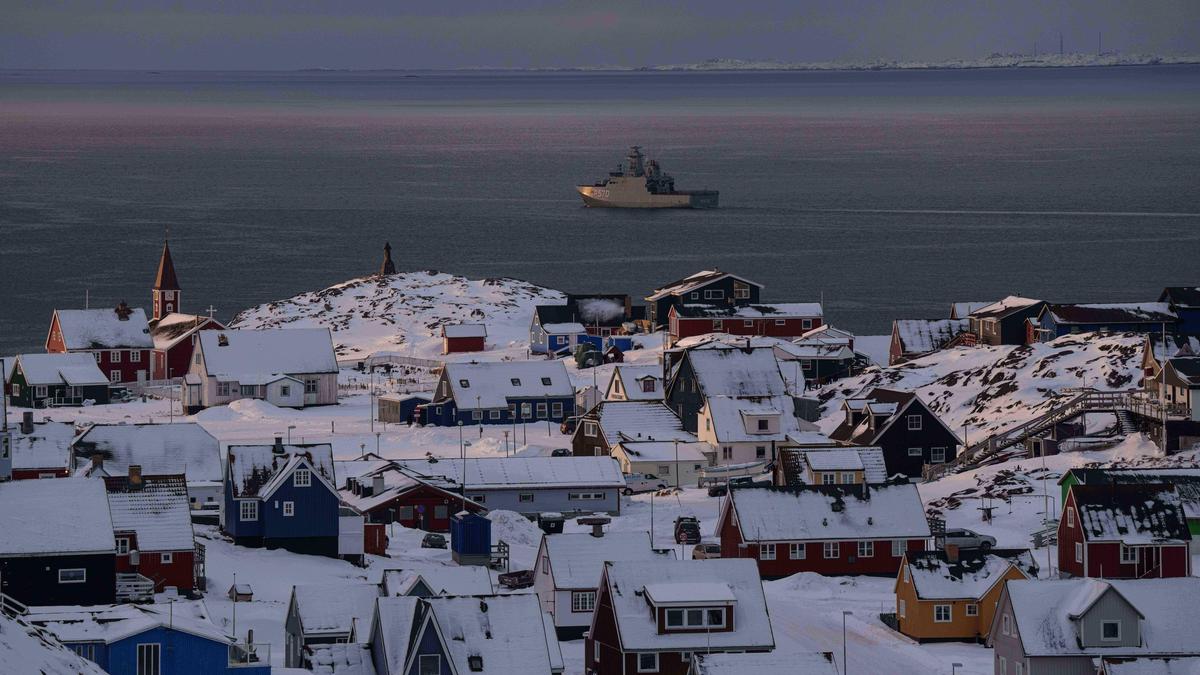
On January 16, 2026, the Kremlin expressed its view that Greenland is Danish territory and deemed the security situation surrounding the island “extraordinary” from an international law perspective. This statement comes amidst escalating tensions due to U.S. President Donald Trump’s stated interest in annexing Greenland, citing its strategic location and mineral wealth. European nations have deployed military personnel to Greenland at Denmark’s request, further complicating the situation. Russia criticizes the West’s perceived double standards and defends China’s role in the conflict, alleging both Russia and China have been unfairly targeted for threatening Greenland.
Key Points:
* The Kremlin considers Greenland to be Danish territory.
* The Kremlin views the security situation in Greenland as “extraordinary” from the perspective of international law.
* Russia accuses the West of double standards regarding the Greenland crisis.
* President Trump has expressed interest in acquiring Greenland, not ruling out the use of force.
* European nations have sent military personnel to Greenland at Denmark’s request.
* A bipartisan U.S. congressional delegation is meeting with Danish and Greenlandic leaders to reaffirm support.
* Danish officials failed to change the U.S. administration’s position on acquiring Greenland during a meeting in Washington on January 14, 2026.
* Russia is preparing to host Steve Witkoff and Jared Kushner for peace talks on Ukraine.
Critical Analysis:
The Kremlin’s statement can be interpreted as an attempt to exploit the growing rift between the U.S. and its NATO allies over Greenland. By supporting Denmark’s sovereignty over the island, Russia positions itself as a defender of international law while simultaneously criticizing the West’s “rules-based international order”. Russia’s engagement with both US and European counterparts on peace talks in Ukraine, while excluding European governments from dialogue with Trump’s envoys, further complicates transatlantic relations and highlights a potential strategy to weaken Western alliances.
Key Takeaways:
* The Greenland situation is exacerbating tensions within NATO.
* Russia is attempting to leverage the Greenland dispute to undermine Western unity.
* The U.S. is facing increasing international criticism for its stance on Greenland.
* The situation highlights the strategic importance of Greenland in the Arctic region.
* There is increasing dialogue between the US and Russia outside of traditional diplomatic channels, creating uncertainty around European involvement in peace processes.
Impact Analysis:
The ongoing crisis surrounding Greenland has the potential for significant long-term implications:
- Weakened NATO Alliance: The open disagreement between the U.S. and its European allies could erode trust and solidarity within the alliance, potentially leading to a re-evaluation of defense strategies and commitments.
- Increased Russian Influence: By positioning itself as a mediator and critic of Western policy, Russia could gain influence in the Arctic region and on the international stage.
- Arctic Militarization: The increased military presence of both European nations and potentially the U.S. could lead to further militarization of the Arctic, raising the risk of confrontation.
- Geopolitical Realignment: The Greenland crisis could prompt a realignment of geopolitical forces as nations reassess their alliances and strategic priorities. The emergence of an alternate rules-based order is not off the table if the US continues to act unilaterally.
 First Piper