
Sat Jan 17 01:30:00 UTC 2026: ### Bangalore Development Authority Turns 50 Amidst Scrutiny Over Unplanned Growth
The Story:
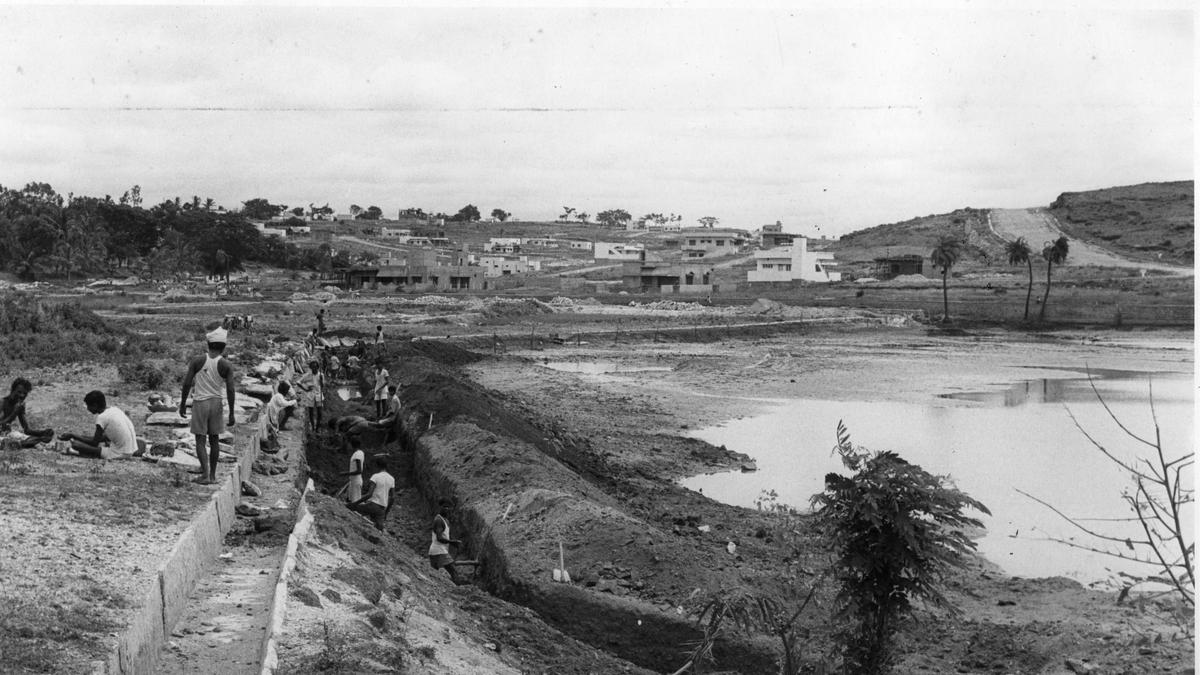
The Bangalore Development Authority (BDA) marks its 50th anniversary in 2026, having been established in 1976 by then Chief Minister D. Devaraj Urs to address the issue of unplanned development in Bangalore. Preceded by the City Improvement Trust Board (CITB), a colonial institution formed in 1945 after a plague outbreak, the BDA was intended to streamline urban planning and development. While the BDA has been instrumental in creating planned layouts and introducing the lottery system for site allocation, it faces criticism for failing to curb illegal layouts, catering primarily to the middle and upper-middle classes, and prioritizing real estate development over comprehensive city planning.
Key Points:
- The BDA was formed in 1976, succeeding the CITB, which was established in 1945 after the plague outbreak.
- CITB’s biggest achievement was Jayanagar, which was then Asia’s largest planned layout.
- The BDA aimed to consolidate planning and development functions under one body, modeled after the Delhi Development Authority (DDA).
- The BDA introduced the lottery system for site allotment, promoting mixed layouts and reducing caste-based segregation.
- Critics argue that the BDA has become a real estate developer, failing to check unplanned development and catering disproportionately to middle and upper-middle classes.
- Farmers’ leader M.D. Nanjundaswamy protested against the BDA’s formation in 1976, predicting increased traffic and property costs.
Key Takeaways:
- While the BDA was established to address unplanned development, it has faced challenges in curbing illegal layouts and managing the city’s rapid growth.
- The BDA’s focus on real estate development has overshadowed its original mandate of comprehensive city planning.
- The rise in property costs and increased traffic, as predicted by M.D. Nanjundaswamy in 1976, have materialized, highlighting the long-term consequences of urban planning decisions.
- The BDA’s legacy is mixed, marked by both achievements in planned layouts and failures in addressing broader urban development challenges.
- The article suggests a need to re-evaluate urban planning strategies to address the needs of all residents and effectively manage the city’s growth.
 First Piper