
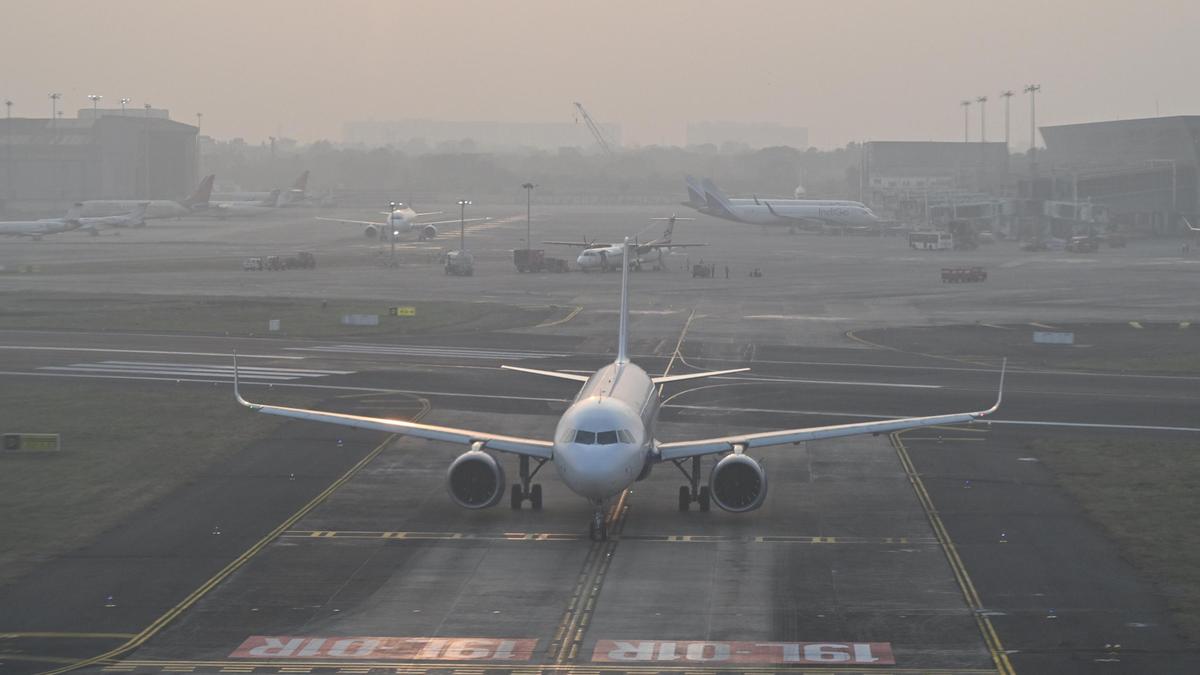
Sat Jan 17 03:15:07 UTC 2026: # Delhi Grapples with Dense Fog and “Very Poor” Air Quality Amid Cold Wave
The Story:
Delhi is experiencing a significant cold wave accompanied by dense fog, impacting transportation and air quality. On January 17, 2026, dense fog led to flight delays at Indira Gandhi International (IGI) Airport, with visibility significantly reduced. The India Meteorological Department (IMD) reported a slight rise in minimum temperature to 7°C, but conditions remain challenging. Simultaneously, air quality remains a major concern, with the Air Quality Index (AQI) at 368, placing it in the “very poor” category.
The Commission for Air Quality Management (CAQM) had already convened a meeting on January 14, 2026, to address deteriorating air quality. The Sub-Committee on the Graded Response Action Plan (GRAP) has implemented Stage-III measures in addition to Stages I & II already in force, including a nine-point action plan aimed at mitigating pollution.
- Key Points:
-
Dense fog caused flight delays at Delhi’s IGI Airport on January 17, 2026.
- The minimum temperature on January 17, 2026, was recorded at 7°C, a slight increase from 4°C the previous day.
- Delhi’s Air Quality Index (AQI) was 368 on January 17, 2026, classified as “very poor”.
- The Commission for Air Quality Management (CAQM) had convened a meeting on January 14, 2026, implementing Stage-III of the Graded Response Action Plan (GRAP).
-
A nine-point action plan is in effect to combat the air pollution.
-
Critical Analysis:
The historical context reveals a pattern of persistent air quality issues in Delhi, prompting the implementation of multi-stage action plans such as GRAP. The addition of the 14,000 Buses, 36,000 EV Chargers: Delhi’s 4-Year Pollution Plan shows long term efforts to mitigate pollution. The cold weather and dense fog exacerbate these issues, trapping pollutants and worsening visibility. -
Key Takeaways:
-
Delhi faces recurring challenges with air quality, particularly during the winter months.
- The Graded Response Action Plan (GRAP) is a key mechanism for addressing pollution levels.
- Weather conditions such as fog play a significant role in worsening air quality and disrupting transportation.
-
Continued efforts, like the large-scale EV adoption plan, are necessary to improve long-term air quality.
-
Impact Analysis:
The combination of poor air quality and transportation disruptions has significant implications for public health and the economy. Flight delays impact business and tourism, while prolonged exposure to “very poor” air quality poses serious health risks, particularly for vulnerable populations. The continued implementation of GRAP and long-term strategies like transitioning to electric buses are crucial for mitigating these impacts and building a more sustainable future for Delhi.
 First Piper