
Sat Jan 17 05:48:12 UTC 2026: ### Iran Protests Quelled Amidst Internet Blackout and Reported Casualties
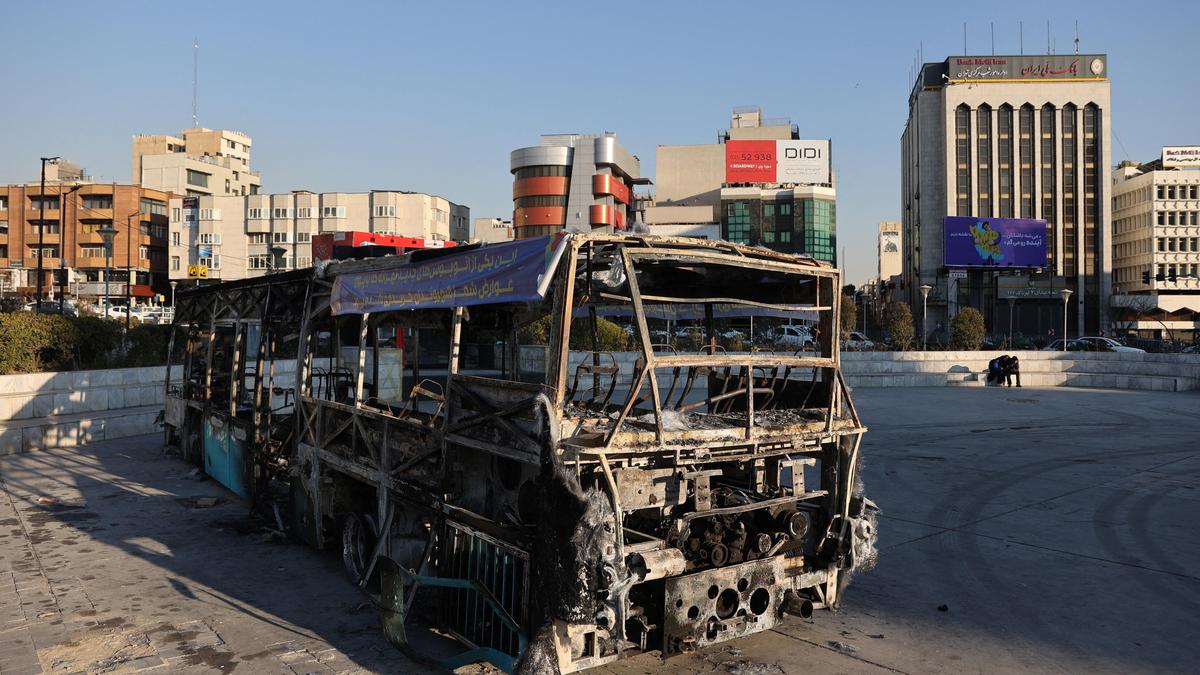
The Story: Nationwide protests in Iran, triggered by economic hardship and escalating into calls for the end of clerical rule, appear to have subsided following a violent crackdown. Rights activists report over 3,000 deaths. The Iranian government imposed an eight-day internet blackout, which has now seen a “very slight rise” in connectivity, according to monitoring groups. While residents in Tehran report a return to relative calm, with a drone presence and no major protests, the situation remains tense. The international community, including U.S. President Donald Trump, has responded, though details remain contested.
Key Points:
- Over 3,000 people, including 2,885 protesters, have reportedly died in Iran’s protests, according to the U.S.-based HRANA group.
- An eight-day internet blackout in Iran saw connectivity drop to around 2% of ordinary levels, with only a “very slight rise” recently.
- Residents report Tehran being comparatively quiet after days of violence.
- President Trump claimed Iran cancelled mass hangings, a claim not confirmed by Iranian authorities.
- Indian students and pilgrims in Iran were largely confined to their accommodations during the protests.
Critical Analysis:
The protests in Iran unfolded due to domestic dissatisfaction over economic conditions and governance, which spread rapidly and virulently due to social media channels, but were eventually suppressed through a violent response from the government coupled with severe internet restrictions. The rapid spread of the protests and the government’s response are connected. Related news of the Gaza death toll, coupled with news of Indian exit of Iranian infrastructure initiatives, could suggest the Iranian government felt that it did not have a lot to lose by quelling domestic dissent at this moment. The mention of Starlink access indicates an effort by some activists to circumvent state control of the internet, which became an acute flashpoint during the crisis. The alleged cancellation of hangings by the Iranian leadership, regardless of its veracity, and Trump’s response indicates the internationalization of this domestic political crisis, with global actors feeling compelled to participate and intervene.
Key Takeaways:
- The Iranian government is willing to employ extreme measures, including internet shutdowns and violent crackdowns, to suppress internal dissent.
- Access to independent sources of internet, such as Starlink, became crucial for activists during the blackout, highlighting the importance of circumventing state control of information.
- The unconfirmed claim of mass hangings and Trump’s reaction underscore the sensitivity and international attention surrounding human rights issues in Iran.
- Economic hardship remains a key driver of instability within Iran.
Impact Analysis:
The suppression of these protests is likely to have a chilling effect on future demonstrations in Iran. The use of internet shutdowns as a tool of control will likely be replicated. The high death toll will exacerbate existing tensions between the government and its citizens. The crisis could lead to further isolation of Iran on the international stage, particularly if accusations of human rights abuses are substantiated. The mention of Starlink raises questions about the future of internet freedom and the role of private companies in providing access in authoritarian environments.
 First Piper