
Fri Jan 16 16:43:41 UTC 2026: ### Headline: CPI(M) Vows Nationwide Resistance Against BJP-Led Government Policies
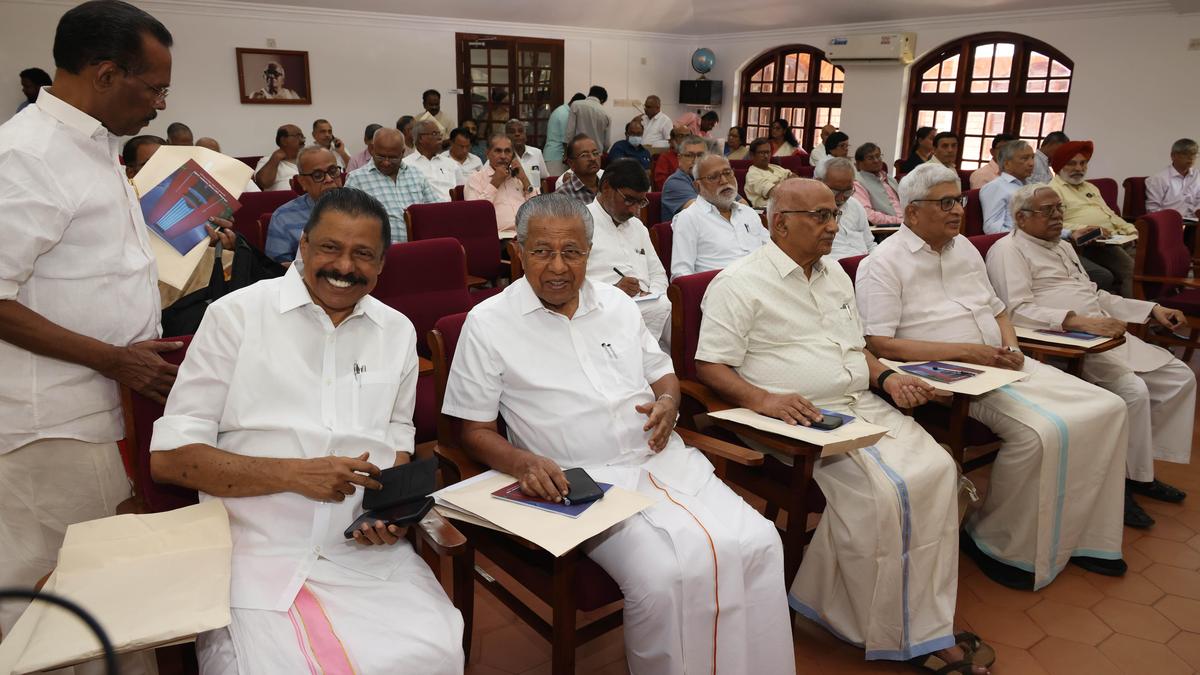
The Story: The Communist Party of India (Marxist) [CPI(M)] has announced a nationwide campaign to resist what it deems “anti-agricultural worker, anti-farmer, anti-worker, anti-people” laws and policies enacted by the BJP-led Union government. Following a three-day Central Committee meeting in Thiruvananthapuram, the party pledged to mobilize mass resistance until these laws are repealed, aiming to build a united front to advocate for pro-people legislation that ensures basic rights and decent living standards.
Key Points:
- The CPI(M) Central Committee met in Thiruvananthapuram over three days.
- The party pledged to resist laws and policies perceived as detrimental to agricultural workers, farmers, and the general population.
- The CPI(M) aims to mobilize a pan-India struggle to repeal the controversial laws.
- The party seeks to ensure the enactment of pro-people laws guaranteeing basic rights and improved living conditions.
- The pledge was made on January 16, 2026.
Critical Analysis:
The CPI(M)’s pledge comes amid a backdrop of various national events and pronouncements, indicating a complex interplay of political and economic forces within India. The Vice-President emphasizing healthcare as nation-building, the Tamil Nadu Governor’s call for youth to build a new India, and the Adani Group highlighting its commitment to nation-building, all point to a national narrative focused on development and progress. Microsoft’s pledge to pay more for electricity, praised by Trump, suggests international interest and investment in India’s energy sector. The CPI(M)’s opposition to the BJP-led government’s policies can be interpreted as a reaction to a perceived neglect of the working class and farmers amidst this broader developmental agenda.
Key Takeaways:
- The CPI(M) is positioning itself as a key opposition force against the current government’s policies.
- The pledge suggests a significant ideological clash between the CPI(M)’s socialist principles and the BJP’s perceived pro-corporate policies.
- The mobilization of a pan-India struggle indicates a potentially volatile political climate, with the possibility of widespread protests and social unrest.
- The CPI(M) is attempting to capitalize on potential public discontent related to agricultural and labor policies.
- The news indicates a very fragmented society, with the central government perceived as favoring big business rather than the welfare of all people.
Impact Analysis:
The CPI(M)’s planned resistance could significantly impact India’s political landscape. If successful in mobilizing widespread support, it could force the government to reconsider its policies, particularly in the agricultural and labor sectors. A prolonged period of protests and social unrest could also negatively impact economic growth and investor confidence. The event series highlights the growing polarization of Indian politics and the challenges of balancing economic development with social justice and equitable distribution of resources. The long-term implications include a possible shift in government policy, increased political instability, and a re-evaluation of the relationship between the state, corporations, and the working class.
 First Piper