
Sat Jan 17 00:04:17 UTC 2026: ### Headline: Retired Army Officer Debunks Claims of Massacre in Tamil Film
The Story:
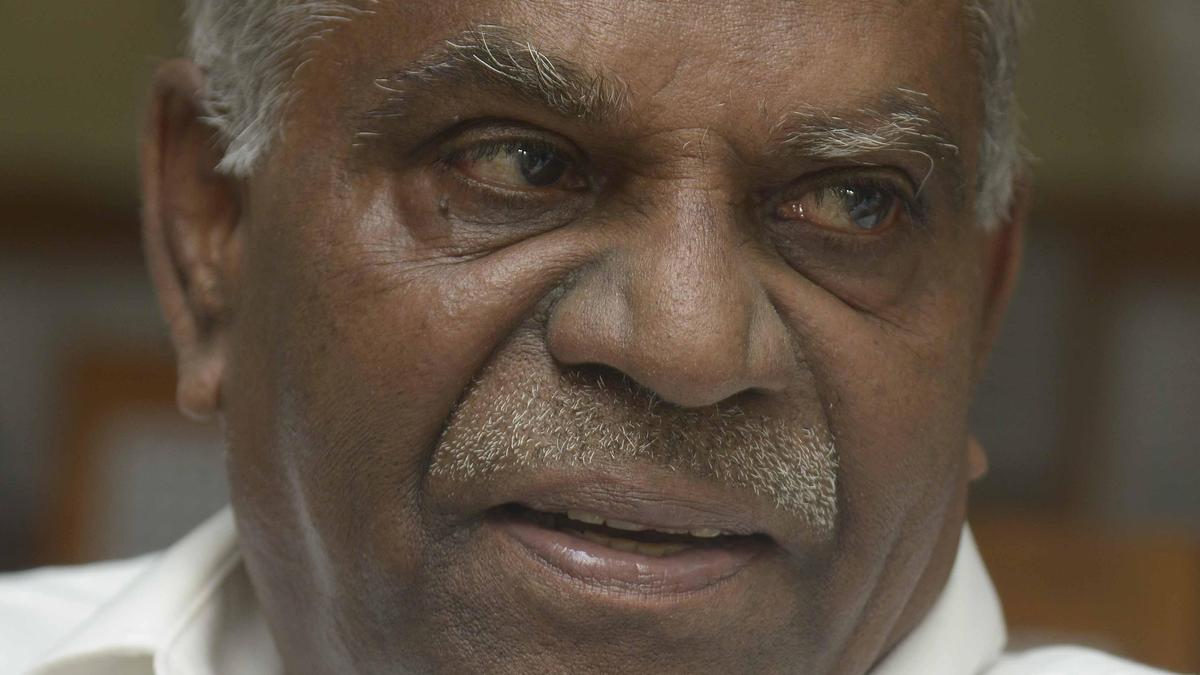
Retired Indian Army officer M.G. Devasahayam has refuted claims made in the Tamil film Parasakthi that 200 people were shot dead by the armed forces in Pollachi during the anti-Hindi imposition agitation of 1965. Speaking to The Hindu from Bengaluru, Devasahayam, who served in the Madras Regiment, stated the claims were “lies.” He recounted his experiences during the agitation, particularly the violence in Coimbatore and Tiruchengode, emphasizing that the army’s role was to assist civil authorities in restoring order. He specifically addressed the Pollachi incident, clarifying the weaponry used and the number of casualties.
Devasahayam’s account contradicts the film’s depiction of a large-scale massacre. He emphasized that the troops only carried bolt-action .303 rifles, capable of firing one bullet at a time, and fired only about 35 rounds. He estimates 8-10 deaths and a similar number of injuries in Pollachi. The officer further highlighted that an inquiry into the firing had been ordered by the Army Headquarters and expressed concerns about the spread of misinformation through popular media.
Key Points:
- Retired Army officer M.G. Devasahayam denies claims of 200 deaths in Pollachi during the 1965 anti-Hindi imposition agitation.
- The claim originated in the Tamil film Parasakthi.
- Devasahayam was a Lieutenant in the Madras Regiment stationed in the Coimbatore region during the agitation.
- He recounts violence in Coimbatore and Tiruchengode, where a Sub-Inspector and three constables were burned alive.
- He states that in Pollachi, approximately 8-10 people died and a similar number were injured after civilians attacked the army column and police.
- The Madras Regiment used bolt-action .303 rifles, not LMGs, and fired approximately 35 rounds.
Key Takeaways:
- Historical events, particularly those involving conflict, are susceptible to differing interpretations and representations in media.
- Personal accounts from individuals involved can provide valuable counter-narratives to popular portrayals.
- The spread of misinformation, even through entertainment media, can have significant consequences for public perception of historical events.
- It’s important to scrutinize historical claims presented in films and other forms of media, especially when they are contentious or politically charged.
 First Piper