
Fri Jan 16 20:10:51 UTC 2026: # AIIMS New Delhi to Construct 3,000-Bed Shelter for Patients’ Families
The Story
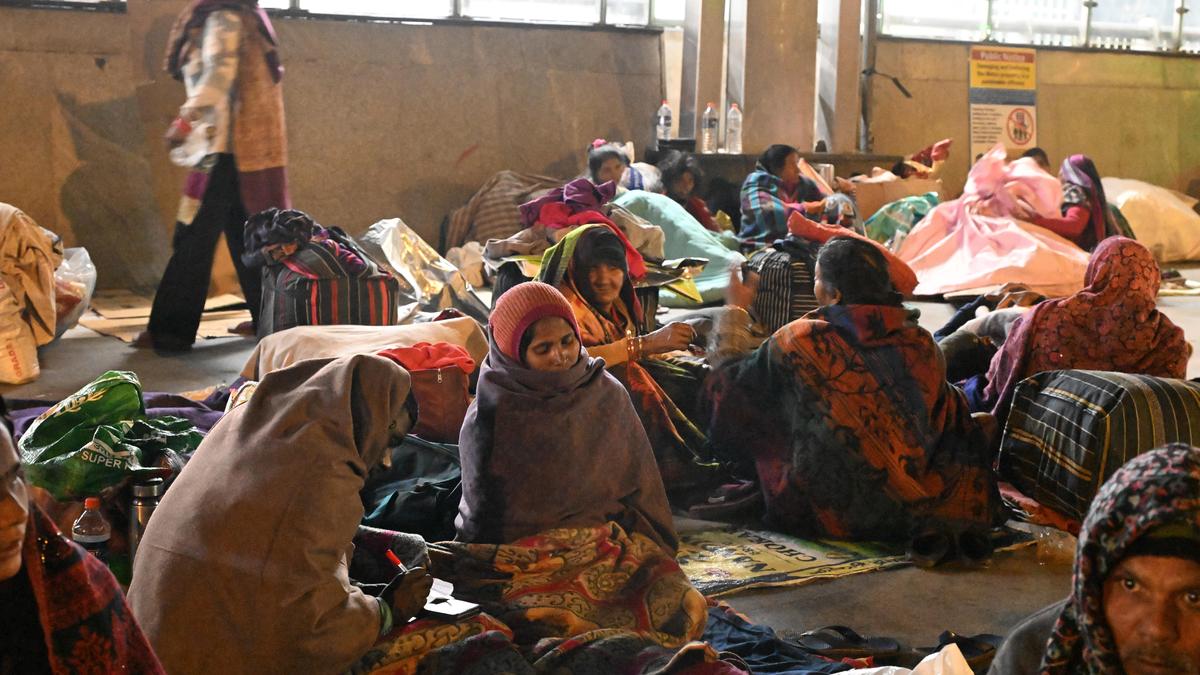
On January 16, 2026, the All India Institute of Medical Sciences (AIIMS), New Delhi, informed the Delhi High Court of its plans to construct a 3,000-bed shelter home for families of patients currently forced to sleep outside the hospital in harsh weather conditions. This announcement came in response to a suo motu petition initiated by the High Court after The Hindu published a report on January 11 highlighting the plight of these families during a severe cold wave. The hospital also offered land to the Delhi Urban Shelter Improvement Board (DUSIB) for erecting temporary shelters.
AIIMS detailed its long-term plan to develop a 3,000-bed Vishram Sadan (rest house) on approximately two acres of land, replacing an existing 300-bed facility. The institution emphasized its commitment to a “patient-centric” approach, establishing dedicated assistance teams to help families access available facilities and proposing a dashboard to display vacancies in DUSIB shelters. The High Court has directed authorities to cooperate with AIIMS to ensure the swift completion of the new shelter.
Key Points
- AIIMS proposes building a 3,000-bed shelter home for patient families.
- The proposal is in response to a suo motu petition after a report in The Hindu highlighted the suffering of families during a cold wave.
- AIIMS will offer land to DUSIB for erecting temporary shelters (80 pagodas/tents).
- AIIMS plans to replace a 300-bed facility with a 3,000-bed Vishram Sadan.
- DUSIB is already erecting additional tents near AIIMS and other major hospitals (20 near AIIMS and Safdarjung).
Key Takeaways
- The situation highlights a chronic issue of inadequate facilities for patient families at major hospitals in Delhi.
- The judiciary is proactively intervening to address these humanitarian concerns.
- AIIMS is taking both short-term (temporary shelters) and long-term (new facility) measures to alleviate the problem.
- Collaboration between AIIMS and DUSIB is crucial for effective implementation.
- The situation underscores the need for better infrastructure and support systems for patients and their families accessing healthcare in India.
Impact Analysis
This event has significant implications for healthcare accessibility and patient welfare in India. The construction of the new shelter at AIIMS and the increased provision of temporary shelters will immediately improve the living conditions for vulnerable families. The High Court’s involvement sets a precedent for judicial oversight in ensuring humane treatment within the healthcare system. Long-term, this initiative could spur other hospitals and state governments to invest in similar facilities, leading to a nationwide improvement in support services for patients and their attendants. The “patient-centric” approach adopted by AIIMS could also serve as a model for other healthcare institutions.
 First Piper