
Sat Jan 17 08:40:00 UTC 2026: # Tensions Flare: India-Bangladesh Cricket Relations Sour Following Alleged Mistreatment and Boycott
The Story:
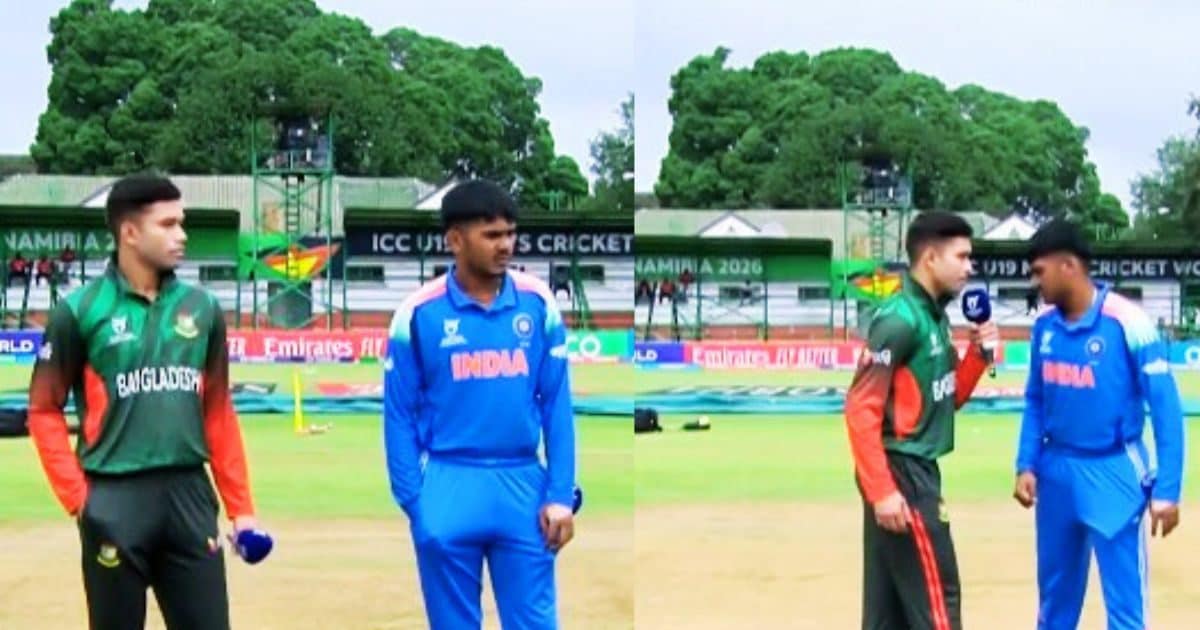
Pre-match tensions were palpable during the ICC Under-19 World Cup 2026, match 7 in Bulawayo on January 17th, as India Under-19 captain Ayush Mhatre refused to shake hands with Bangladesh’s stand-in captain Jawad Abrar. The frosty encounter mirrors a recent downturn in India-Bangladesh relations, triggered by the release of Bangladeshi cricketer Mustafizur Rahman from the Kolkata Knight Riders (KKR) team for IPL 2026.
The decision to release Rahman came after increasing demands to remove him from the league following rising reports of atrocities against Hindus in Bangladesh. This action by the BCCI and KKR led to a wave of anger in Bangladesh, resulting in the Bangladesh Cricket Board (BCB) requesting the ICC to move their T20 World Cup 2026 matches from India to Sri Lanka due to security concerns. The Bangladesh government has also reportedly suspended the broadcast of the IPL in the country.
Key Points:
- Ayush Mhatre, India U-19 captain, refused to shake hands with Jawad Abrar, Bangladesh U-19 stand-in captain, before their World Cup match on January 17th, 2026.
- Mustafizur Rahman was released from the Kolkata Knight Riders (KKR) for IPL 2026 following concerns raised regarding the safety of Hindus in Bangladesh.
- The BCB requested the ICC to relocate their T20 World Cup 2026 matches from India to Sri Lanka.
- The Bangladesh government suspended IPL broadcasts in the country.
- KKR acquired Rahman for 9.2 crore INR in the mini-auction.
Key Takeaways:
- Cricket, a sport deeply intertwined with national pride in both India and Bangladesh, is now being affected by political and social tensions.
- The decision to release Mustafizur Rahman highlights the complex interplay between sports, politics, and social issues.
- The BCB’s request to relocate World Cup matches indicates a serious breakdown in trust and security concerns.
- The suspension of IPL broadcasts in Bangladesh reflects the depth of the resentment within the country.
Impact Analysis:
This series of events has the potential to significantly strain relations between India and Bangladesh across various sectors, not just sports. The cricketing tensions could lead to a broader deterioration of diplomatic ties and cultural exchanges. The long-term impact could include:
- Increased scrutiny of Bangladeshi players participating in Indian leagues and vice versa. This may deter players from both nations from joining the leagues.
- Political repercussions affecting trade and diplomatic collaborations. The raised tensions could impact the existing partnerships between the two nations in various fields.
- Heightened security concerns and visa restrictions for travelers between the two countries. The concerns for safety could affect tourism and people exchanges between the two countries.
- Continued pressure on the ICC to address political interference in sports. The need for intervention might arise if the tensions persist.
 First Piper