
Fri Jan 16 01:21:55 UTC 2026: # Guterres Decries Global Disunity and Wealth Concentration in Final UN Address
The Story:
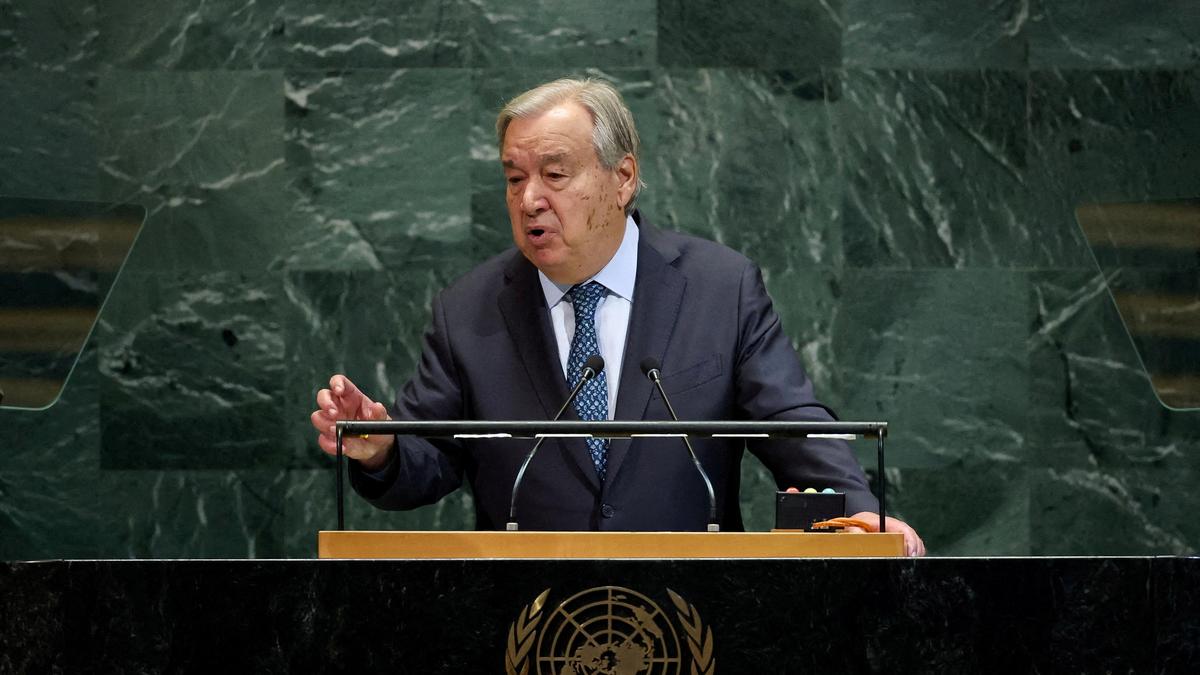
United Nations Secretary-General Antonio Guterres, in his final annual address to the UN General Assembly on January 15, 2026, issued a stark warning about the state of global affairs. He criticized nations for violating international law, citing Russia’s invasion of Ukraine and the United States‘ military actions in Venezuela as prime examples. Guterres also condemned the growing concentration of wealth, highlighting that the richest 1% control 43% of global financial assets, and called for renewed commitment to multilateralism amidst declining cooperation.
Key Points:
* Guterres criticized violations of international law by countries, specifically mentioning Russia and the United States.
* He lamented the erosion of global cooperation and the rise of impunity.
* He pointed to the dangers of wealth concentration, noting the outsized influence of the wealthiest individuals and companies.
* He condemned countries that fail to pay their UN dues on time, indirectly referencing the previous Trump administration in 2025.
* Guterres‘s second term as Secretary-General ends on December 31, 2026.
Critical Analysis:
The UN Secretary-General’s speech comes at a time of increasing geopolitical fragmentation. The fact that he calls out both Russia and the United States, two permanent members of the Security Council, suggests a growing frustration with the actions of major powers undermining the international order. The reference to delayed UN dues, in conjunction with America’s Venezuelan actions, possibly violating international law, and military actions possibly done for political gain, shows a declining commitment to the UN by some member states.
Key Takeaways:
* The international order is under significant strain due to violations of international law by major powers.
* Wealth inequality is exacerbating global instability and undermining multilateral governance.
* The UN’s authority is being challenged by declining financial support from member states.
* The UN chief is concerned with countries “picking and choosing which rules to follow” which, he argues, sets a dangerous precedent.
Impact Analysis:
The Secretary-General’s warning highlights critical challenges to the future of multilateralism. The erosion of international law, combined with growing wealth inequality and a lack of cooperation, could lead to increased global instability and conflict. The UN’s ability to address these challenges will depend on a renewed commitment from member states to uphold international law, address wealth inequality, and provide adequate financial support to the organization. Failure to do so could further weaken the UN’s authority and effectiveness in maintaining international peace and security.
 First Piper