
Fri Jan 16 03:24:51 UTC 2026: ### U.S. Seizes Sixth Sanctioned Oil Tanker in Caribbean Amidst Venezuelan Oil Control Effort
The Story:
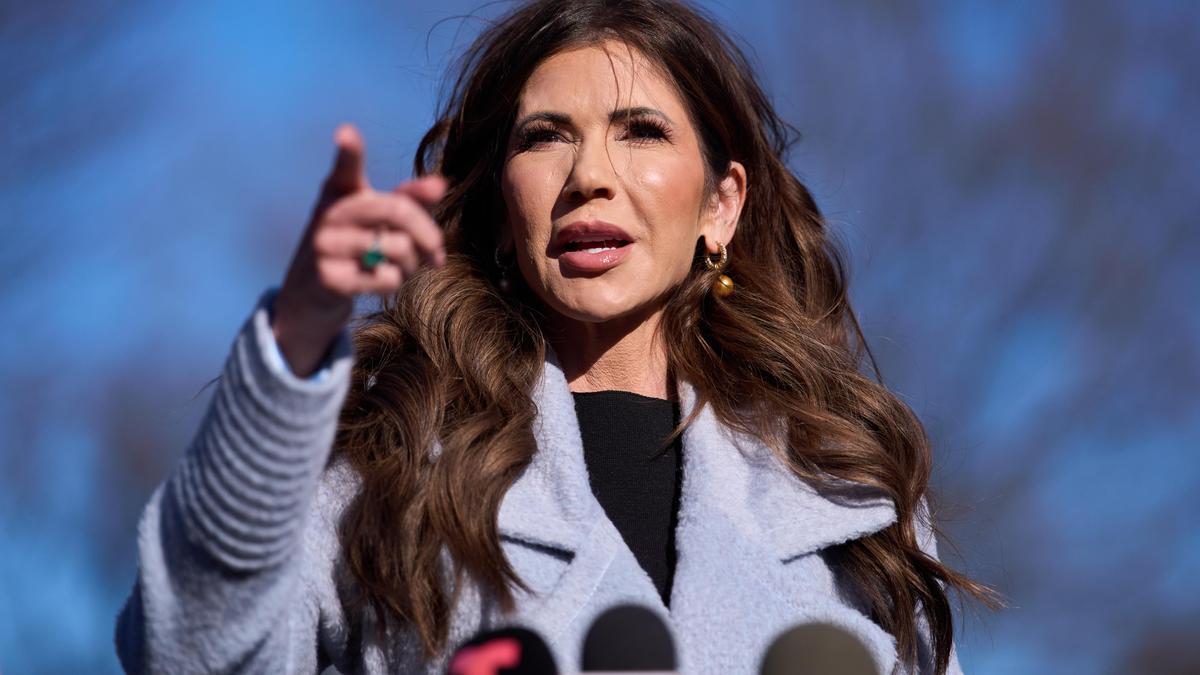
U.S. forces seized the oil tanker “Veronica” in the Caribbean Sea on January 15, 2026, the sixth such seizure as part of a broader effort by the Trump administration to control Venezuela’s oil resources. The U.S. Coast Guard, supported by Marines and sailors from the USS Gerald R. Ford, boarded the tanker, which the administration claims was operating in defiance of the “established quarantine of sanctioned vessels” and had previously been in Venezuelan waters. The seizure, according to Homeland Security Secretary Kristi Noem, was conducted “without incident.”
The “Veronica” is reportedly linked to Russia through its previous ownership and management under the name “Galileo,” and its registration number has been connected to a vessel previously sanctioned for transporting illicit Russian oil. U.S. officials frame the action as enforcing the law, while others within the administration view it as a means to generate cash for rebuilding Venezuela’s oil industry following the ouster of President Nicolás Maduro almost two weeks prior.
Key Points:
- The U.S. seized the oil tanker “Veronica” in the Caribbean Sea on January 15, 2026.
- Homeland Security Secretary Kristi Noem announced the seizure on social media.
- The seizure involved the U.S. Coast Guard, Marines, and sailors from the USS Gerald R. Ford.
- The “Veronica” is the sixth sanctioned tanker seized as part of the U.S. effort to control Venezuelan oil.
- The tanker is linked to a Russian company and has a history of sanctions violations under a previous name.
- The Trump administration intends to invest USD 100 billion in Venezuela’s oil sector.
- The administration plans to sell at least 30 million to 50 million barrels of sanctioned Venezuelan oil.
Critical Analysis:
The timing of this seizure, following closely after the U.S.-backed ouster of Nicolás Maduro and the imposition of sweeping sanctions on Iran (January 15, 2026), indicates a continued, perhaps even escalating, strategy of economic pressure and resource control in regions deemed adversarial by the Trump administration. The mention of Russian involvement via the tanker’s history adds another layer of complexity, suggesting the U.S. is actively targeting entities facilitating sanctioned trade.
Key Takeaways:
- The U.S. is aggressively pursuing a strategy of seizing sanctioned oil tankers to control Venezuelan oil resources.
- The actions are tied to a broader plan to rebuild Venezuela’s oil industry under U.S. influence.
- The U.S. is actively monitoring and targeting the “shadow fleet” involved in sanctioned oil transport.
- The seizure signals a continuation of the Trump administration’s assertive foreign policy, particularly in Venezuela.
- These actions have the potential to further destabilize the region and escalate tensions with countries supporting Venezuela, such as Russia.
Impact Analysis:
This event series, marked by the seizure of multiple tankers and the stated intent to invest heavily in Venezuela’s oil sector, has significant long-term implications.
- Geopolitical Repercussions: The U.S. actions may trigger retaliatory measures from countries like Russia and Iran, potentially leading to further instability in the region.
- Economic Impact: The U.S. control over Venezuelan oil resources could reshape global energy markets and give the U.S. significant leverage in the region.
- Humanitarian Concerns: The focus on oil control may overshadow humanitarian needs within Venezuela, potentially exacerbating the existing crisis.
- Legal and Ethical Questions: The legality and ethical implications of seizing assets and intervening in the affairs of a sovereign nation will likely face continued scrutiny and legal challenges.
 First Piper