
Thu Jan 15 16:11:06 UTC 2026: Headline: U.S. Sanctions Iranian Officials Amidst Crackdown on Protests, Accuses Leaders of Funneling Funds Abroad
The Story:
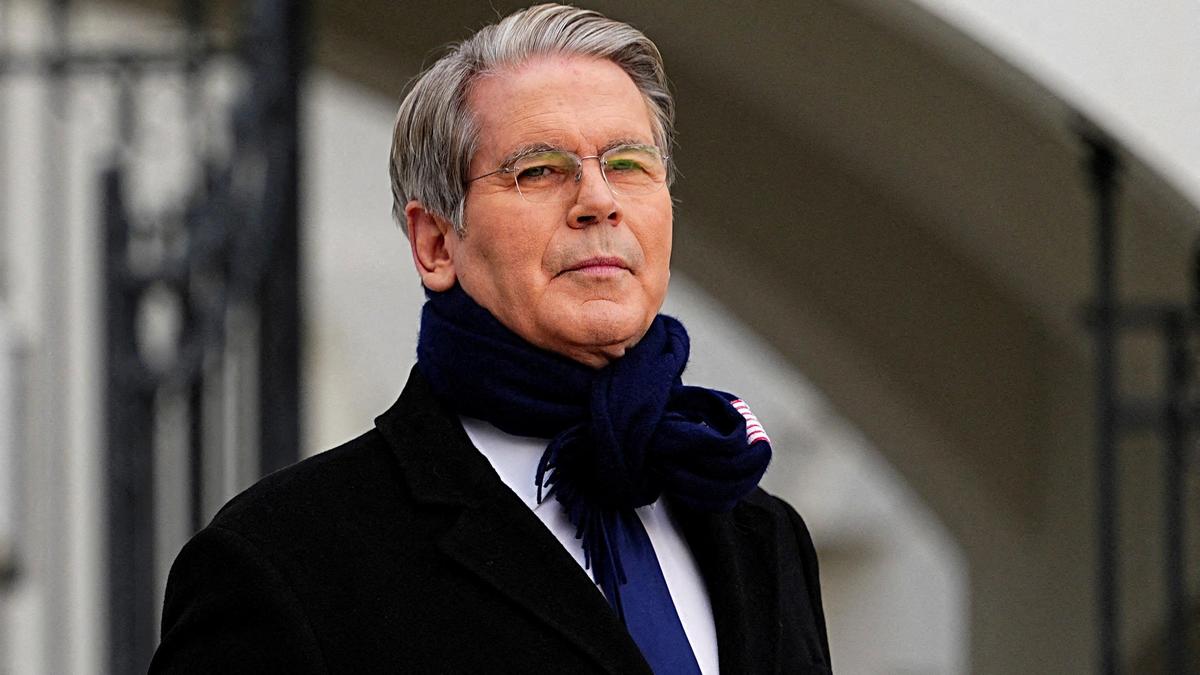
On January 15, 2026, the United States imposed sanctions on five Iranian officials accused of orchestrating a crackdown on protesters, coupled with warnings that the U.S. Treasury is monitoring Iranian leaders’ attempts to move funds to foreign banks. The move comes as President Donald Trump’s administration intensifies its “maximum pressure” campaign on Iran, citing concerns over human rights abuses and Tehran’s nuclear ambitions. Treasury Secretary Scott Bessent issued a stark warning to Iranian leaders, accusing them of stealing from the Iranian people and attempting to hide their assets abroad.
The sanctions target individuals within the Supreme Council for National Security, the Islamic Revolutionary Guard Corps, and law enforcement forces. These actions coincide with ongoing unrest in Iran, sparked by soaring prices and evolving into broader challenges to the clerical establishment. The U.S. has repeatedly voiced support for the Iranian people and condemned the government’s response to the protests.
Key Points:
- The U.S. sanctioned five Iranian officials for their alleged role in suppressing protests.
- Treasury Secretary Scott Bessent accused Iranian leaders of transferring stolen funds to foreign banks.
- The unrest in Iran began with protests over rising prices and escalated into a broader challenge to the government.
- The U.S. Treasury also sanctioned 18 individuals for allegedly laundering proceeds from Iranian petroleum and petrochemical sales.
- The sanctions are part of President Trump’s “maximum pressure” campaign on Iran, aimed at curbing its nuclear program and oil exports.
- HRANA rights group reported 2,435 protester deaths and 153 government-affiliated deaths.
Critical Analysis:
The timing of the U.S. sanctions, coupled with the assertive rhetoric from Secretary Bessent, suggests a calculated effort to exploit the internal vulnerabilities within Iran as a result of the ongoing protests. By targeting officials directly involved in the crackdown and publicly accusing leaders of corruption, the U.S. aims to further destabilize the Iranian regime and potentially encourage defections or internal dissent. The repeated reference to President Trump’s stance indicates a continuation of established foreign policy, emphasizing regime change through economic and political pressure.
Key Takeaways:
- The U.S. is actively leveraging internal unrest in Iran to intensify its pressure campaign.
- Financial sanctions and accusations of corruption are key components of the U.S. strategy.
- The situation in Iran represents a significant challenge to the clerical establishment.
- The U.S. continues to closely monitor Iran’s financial activities and will attempt to freeze assets.
- The current U.S. administration policy of “maximum pressure” continues.
Impact Analysis:
The sanctions and public accusations are likely to further isolate Iran economically and diplomatically. While the immediate impact on the ground within Iran is difficult to predict, the actions could exacerbate existing tensions and potentially lead to further escalation. Long-term, the success of the U.S. strategy hinges on its ability to sustain pressure on Iran and whether internal divisions within the country grow to a point where the regime’s survival is threatened. The seizure of tankers and the efforts to stop Iranian oil sales indicate a comprehensive strategy designed to strangle the Iranian economy.
 First Piper