
Thu Jan 15 01:30:00 UTC 2026: # Iran Engulfed in Nationwide Unrest as Economic Crisis Deepens
The Story:
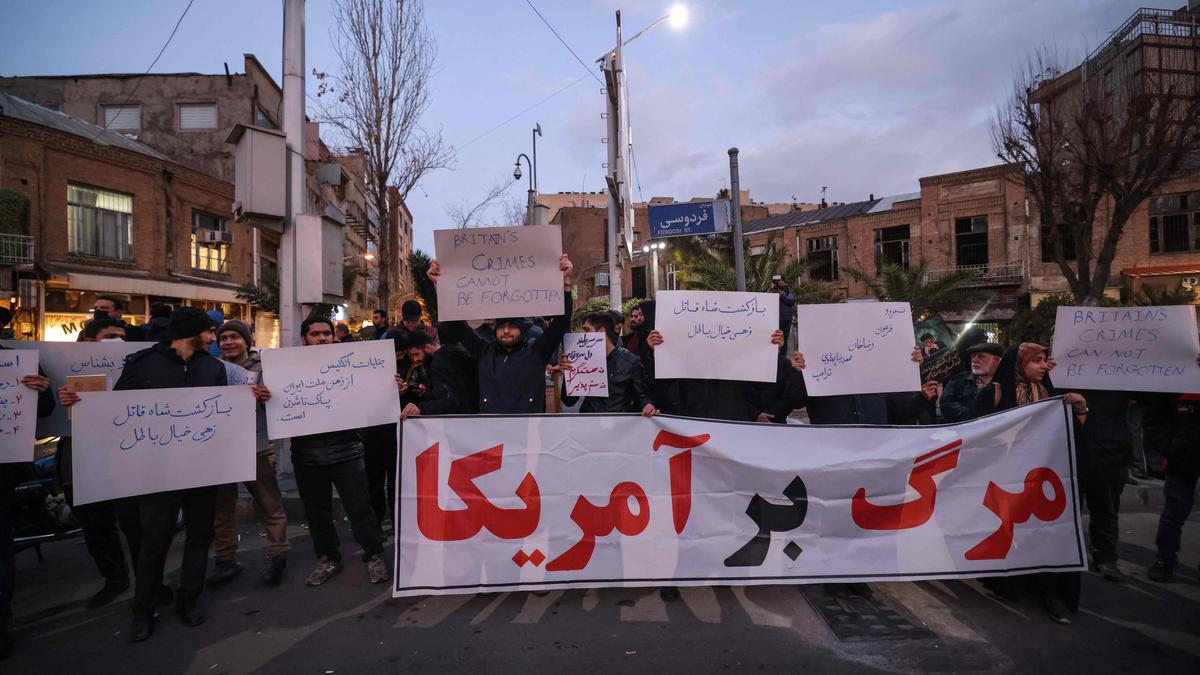
Iran is experiencing its largest demonstrations since 2022, triggered by a crippling economic crisis stemming from the crash of the Iranian rial. The protests, which began on December 28, 2025, with a strike by traders in Tehran, have escalated into nationwide unrest, resulting in over 2,000 deaths. The Iranian government is facing mounting domestic pressure and increasing international scrutiny, including threats of intervention from U.S. President Donald Trump and a proposed ban on Iranian diplomats by the European Parliament.
Key Points:
- The Iranian rial has devalued by more than 2,000 times compared to the previous year.
- Inflation reached 42.5% at the end of 2025, significantly impacting food prices, with cereals and tubers increasing by over 200%.
- Reimposed UN sanctions, termed “snapback” sanctions, in September 2025, have aggravated the economic crisis by freezing Iranian assets and penalizing its ballistic missile program.
- These sanctions followed accusations by the UK, France, and Germany of Iran’s “continued nuclear escalation” after Iran suspended inspections of its nuclear facilities following attacks by the U.S. and Israel in June 2025.
- Iran’s GDP growth has decelerated to just 0.6%, significantly below the regional average.
- China accounts for 97% of Iran’s crude oil and condensate exports and more than 30% of Iran’s imports.
- The United States has imposed close to 80 sanctions on Iran and related entities.
Critical Analysis:
The mention of the World Economic Forum in Davos along with the Iranian unrest suggests a broader concern about global economic stability and geopolitical risks. The headline “Warfare Overtakes Armed Conflict as Top Risk: World Economic Forum Survey” from the previous day emphasizes this concern and highlights the economic factors fueling instability. This context suggests that the events in Iran are being viewed through the lens of global systemic risk, where economic vulnerabilities can quickly escalate into social and political unrest.
Key Takeaways:
- Economic factors, specifically currency devaluation and inflation, are the primary drivers of the current unrest in Iran.
- International sanctions, while intended to curb Iran’s nuclear ambitions, have significantly worsened the country’s economic situation and fueled public discontent.
- Iran’s dependence on China as a major trading partner highlights its isolation from Western economies due to sanctions.
- The situation underscores the potential for economic instability to trigger political upheaval, necessitating careful consideration of the consequences of international sanctions.
- The unrest comes at a time of heightened global economic and geopolitical anxiety, as highlighted by the World Economic Forum’s risk assessment.
Impact Analysis:
The ongoing unrest in Iran has the potential for significant long-term implications:
- Regional Instability: A weakened and unstable Iran could further destabilize the Middle East, potentially leading to increased conflict and geopolitical competition.
- Nuclear Proliferation: The suspension of nuclear facility inspections and the breakdown of the JCPOA raise concerns about Iran’s nuclear ambitions and the possibility of nuclear proliferation in the region.
- Global Oil Markets: Disruptions to Iranian oil exports could impact global oil prices and energy security, especially given China’s significant reliance on Iranian oil.
- Geopolitical Realignment: The crisis could further strengthen Iran’s ties with China and Russia, accelerating a shift in the global balance of power.
- Humanitarian Crisis: Continued unrest and government crackdowns could lead to a worsening humanitarian crisis and a potential refugee crisis.
 First Piper