
Fri Jan 16 15:43:20 UTC 2026: Headline: India’s Draft Seeds Bill Aims for Transparency and Farmer Protection
The Story:
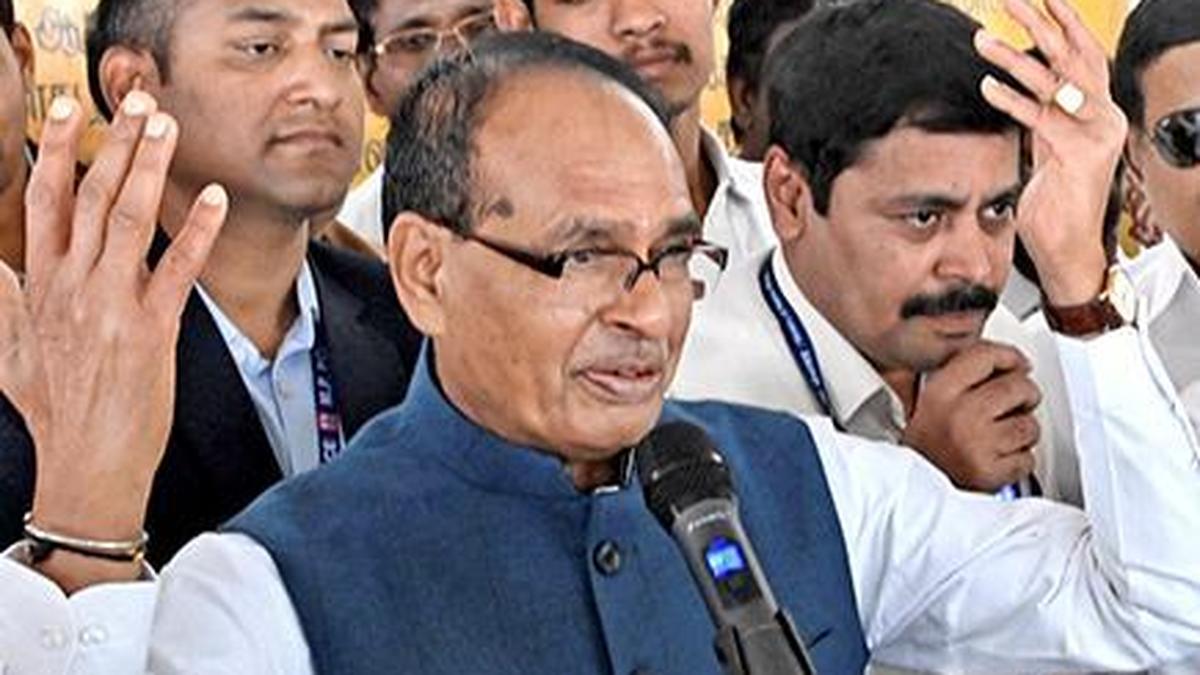
Union Agriculture Minister Shivraj Singh Chouhan announced on January 16, 2026, that the draft Seeds Bill is likely to be presented in Parliament during the upcoming Budget Session. The Bill is designed to protect farmers by ensuring seed quality and transparency. A key feature is the implementation of QR codes on seed packets, which will provide farmers with comprehensive information about the seed’s origin, supply chain, and seller. The government aims to prevent the sale of substandard or fake seeds and impose stricter penalties on those responsible for supplying them.
Key Points:
- Draft Seeds Bill likely to be tabled in Parliament during the Budget Session.
- Bill focuses on farmer protection, seed quality, and transparency.
- QR codes on seed packets will provide origin information.
- Stricter penalties for supplying inferior seeds.
- Traditional seed practices of farmers will not be restricted.
- Imported seeds will undergo thorough testing and evaluation.
Key Takeaways:
- The Indian government is taking steps to address the issue of substandard and fake seeds, a persistent problem plaguing farmers.
- The QR code system is a technologically forward approach to ensure traceability and accountability in the seed supply chain.
- The Bill aims to strike a balance between regulating the seed market and preserving traditional farming practices.
Impact Analysis:
- Short-Term: Implementation of the QR code system will likely face logistical challenges in reaching all farmers, especially those in remote areas. Farmers will need education programs on how to use the new system.
- Long-Term: If implemented effectively, the Seeds Bill could lead to improved crop yields, reduced losses for farmers due to spurious seeds, and greater stability in the agricultural sector. It could also encourage more investments in domestic seed production, reducing reliance on imports.
 First Piper