
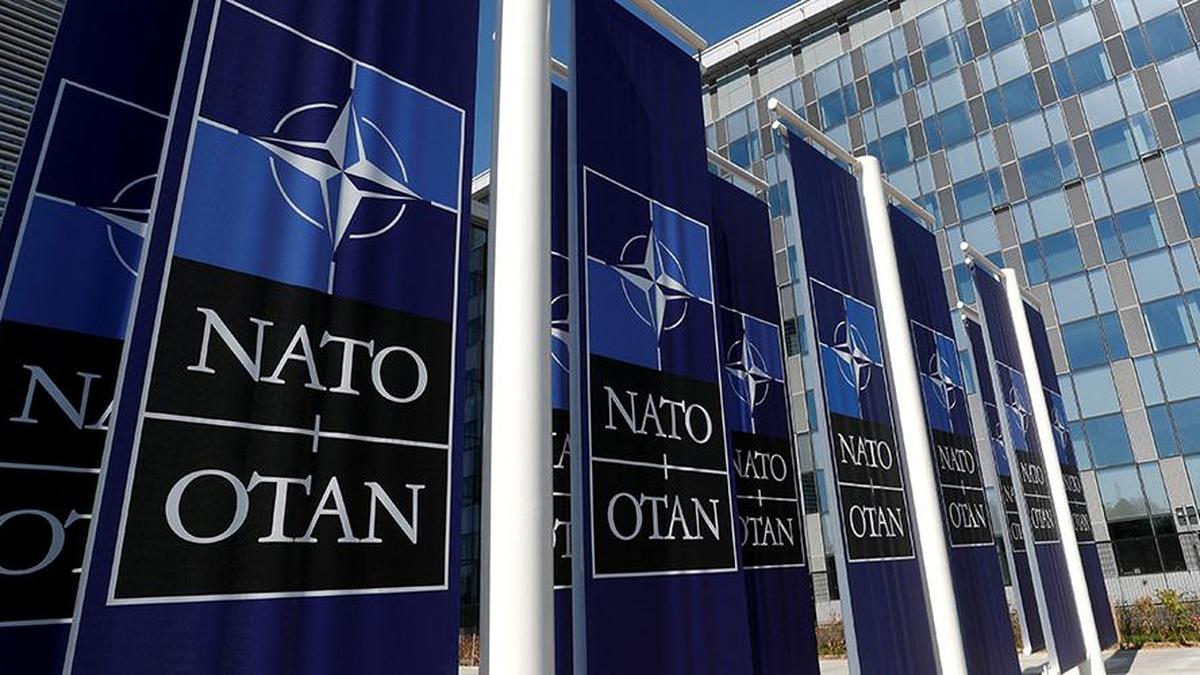
Thu Jan 15 09:41:13 UTC 2026: Headline: Russia Expresses “Serious Concern” Over NATO Military Buildup in Greenland
The Story:
Russia has voiced strong concerns regarding NATO’s increasing military presence in Greenland, a strategically vital Arctic island rich in minerals. The Russian Embassy in Belgium, home to NATO headquarters, released a statement on January 15, 2026, asserting that NATO is expanding its military operations under the “false pretext” of threats emanating from Moscow and Beijing. This development occurs against a backdrop of heightened geopolitical tensions in the Arctic region.
Key Points:
- Russia stated it is “seriously concerned” by NATO military personnel in Greenland.
- The Russian Embassy in Belgium released the statement on January 15, 2026.
- Russia accuses NATO of building up its military presence under the guise of a Moscow/Beijing threat.
- Greenland is described as a mineral-rich island in the Arctic.
- The article references a past threat from former U.S. President Donald Trump to seize Greenland.
Critical Analysis:
The news regarding the U.S.-Taiwan trade deal and China’s opposition to it sets the stage for this event. The trade deal increases tension between the U.S. and China. Russia’s statement that the pretext of the buildup is for threats from both Moscow and Beijing highlights this. China’s and Russia’s interests are aligned.
Key Takeaways:
- The Arctic is becoming a key area of geopolitical competition between NATO and Russia.
- Russia views NATO’s actions in Greenland as a direct challenge to its strategic interests.
- The mention of previous U.S. interest in Greenland underscores the island’s strategic value.
- The event could escalate existing tensions between Russia and the West.
- The claim of a joint Moscow/Beijing threat suggests increasing coordination and alignment between Russia and China.
Impact Analysis:
The escalating tensions in the Arctic have long-term implications:
- Increased Militarization: Expect further military build-up in the Arctic from both sides, raising the risk of miscalculation and conflict.
- Geopolitical Realignment: This incident reinforces the growing alignment of strategic interests between Russia and China, potentially leading to a more unified front against Western powers.
- Resource Competition: Greenland’s mineral wealth makes it a prime target for resource exploitation, fueling further competition and potential disputes.
- International Law and Governance: The Arctic region lacks a robust legal framework, increasing the risk of disputes over territorial claims and resource rights. This incident could spur efforts to strengthen international governance in the Arctic.
 First Piper