
Fri Jan 16 11:10:00 UTC 2026: ### BJP Emerges as Largest Party in BMC Elections, Shakes Thackeray Hold on Mumbai
The Story:
The results of the 2026 Brihanmumbai Municipal Corporation (BMC) elections, announced on Friday, signal a significant shift in Mumbai’s political landscape. The Bharatiya Janata Party (BJP) has emerged as the single largest party, securing 90 seats, a remarkable feat considering the historical dominance of the Shiv Sena in the city’s civic body. While the Shiv Sena (Thackeray camp) trails with 57 seats, and ShivSena has 28, the Congress secured 15 and Raj Thackeray’s MNS only 9. Initial indications suggest a potential BJP-Shiv Sena alliance to form the government.
Key Points:
- The BJP secured the most seats (90) in the BMC elections 2026.
- Shiv Sena (Thackeray camp) secured 57 seats.
- ShivSena secured 28 seats.
- The Congress won 15 seats.
- Raj Thackeray’s MNS won only 9 seats, despite contesting 53 seats.
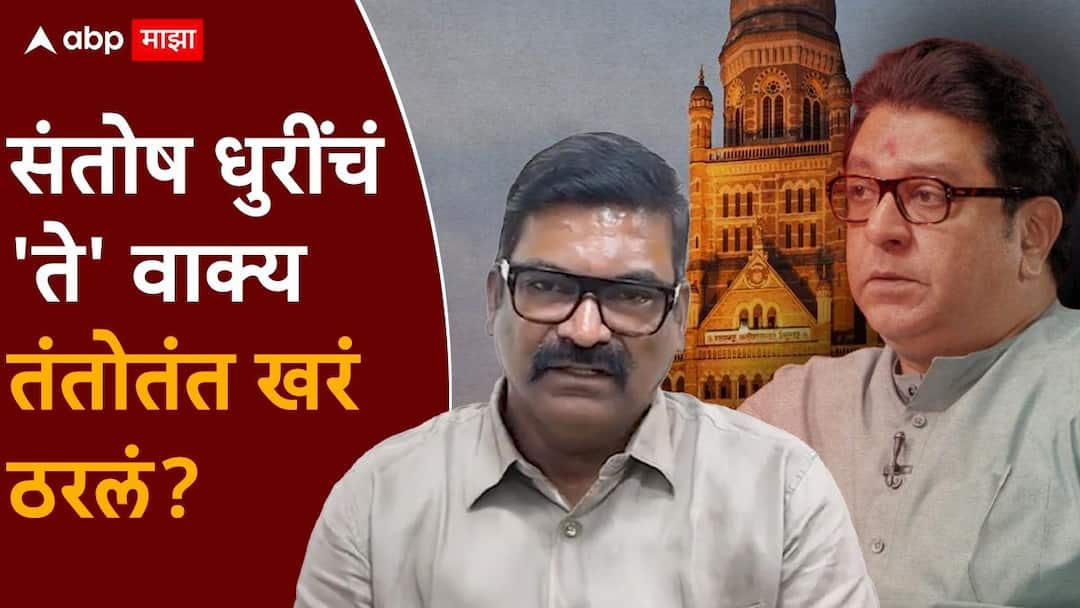
- Former MNS corporator Santosh Dhuri, who joined the BJP, had predicted the MNS’s poor performance.
- Dhuri alleged that the Shiv Sena (Thackeray camp) strategically allocated weak or undesirable seats to the MNS during seat sharing talks.
Critical Analysis:
The related historical context reveals a narrative of failed alliances and diminishing influence for the Thackeray family in Mumbai politics. The “Failed Thackeray Reunion” likely refers to unsuccessful attempts to unify the Shiv Sena factions or to form a broader alliance involving Raj Thackeray’s MNS. The BJP’s “Huge BMC Win” directly contrasts with the Thackerays’ “Lose Grip,” indicating a power shift. The “Rasmalai Dig” suggests political jibes being traded, potentially mocking Raj Thackeray’s earlier confidence or pronouncements.
The primary article and the historical context together paint a picture of the BJP strategically exploiting divisions within the Shiv Sena and capitalizing on the MNS’s declining appeal to achieve a significant victory. The BJP seems to have successfully countered any potential challenge from the Thackeray cousins, despite the perception that Raj Thackeray’s rallies could sway voters.
Key Takeaways:
- The BJP’s rise in the BMC elections marks a significant erosion of the Thackeray family’s traditional dominance in Mumbai’s civic politics.
- Failed attempts at a Thackeray reunion played a role in the BJP’s increased chances.
- Strategic seat allocation by the Shiv Sena (Thackeray camp), as alleged by Santosh Dhuri, may have contributed to the MNS’s poor performance.
- The BJP strategically undermined Raj Thackeray, using political jibes after his loss.
- The results emphasize the importance of strategic alliances and effective campaign management in urban elections.
Impact Analysis:
The BJP’s control of the BMC, Mumbai’s richest civic body, has significant long-term implications. It provides the party with immense financial and administrative power within the city, potentially impacting infrastructure projects, urban planning, and social programs. The decline of the Shiv Sena (Thackeray camp) and the MNS could reshape Maharashtra’s political landscape, creating new opportunities for the BJP and its allies. The BMC victory could also serve as a launchpad for the BJP to further consolidate its position in the state assembly elections.
 First Piper