
Fri Jan 16 07:30:00 UTC 2026: # BJP Dominates Maharashtra Nagar Nigam Elections; “Hindu Interests” Resonate, Claims Nitesh Rane
The Story:
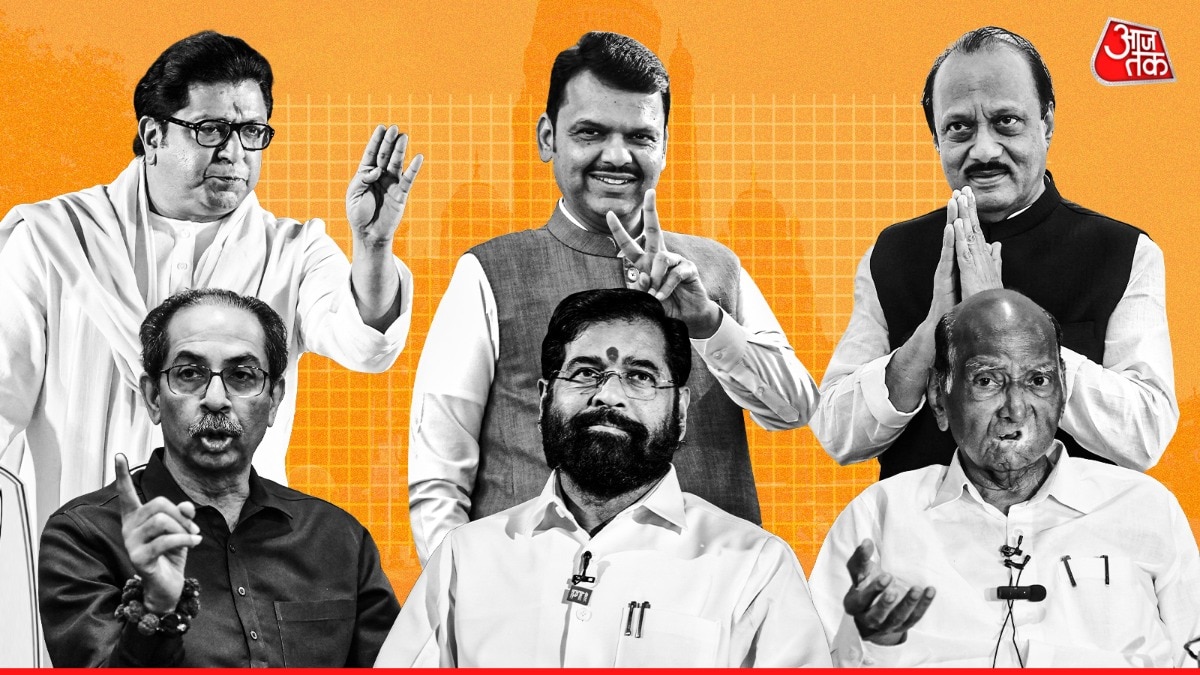
The January 15, 2026, Maharashtra Nagar Nigam (Municipal Corporation) elections have resulted in a sweeping victory for the BJP, with the party leading in over 20 of the 29 municipal corporations, including major cities like Mumbai, Pune, and Nagpur. The results underscore the BJP’s continued dominance since the assembly elections, extending through panchayat elections to these local body polls. While the BJP celebrates significant gains, the Shiv Sena (Shinde faction) is putting up a strong fight in Thane and Kalyan-Dombivli, while Congress is showing strength in Latur and Chandrapur. These elections were particularly noteworthy due to shifting political alliances, including the unexpected collaboration between Sharad Pawar and Ajit Pawar in Pune and Pimpri-Chinchwad.
Key Points:
- BJP is leading in over 20 of the 29 Nagar Nigams.
- Key cities like Mumbai, Pune, Nagpur, Navi Mumbai, and Pimpri-Chinchwad are leaning towards BJP.
- Shiv Sena (Shinde faction) shows strength in Thane and Kalyan-Dombivli.
- Congress is ahead in Latur and giving a tough fight in Chandrapur. In Latur, Congress is leading with 35 seats, while BJP has 13.
- Nitesh Rane claims the results indicate that “those who speak of Hindu interests will rule Maharashtra.”
- Voter turnout varied across cities, with Nashik experiencing a 5% decrease in voting compared to 2017.
- In Pune and Pimpri-Chinchwad, a unique alliance was forged between Sharad Pawar and Ajit Pawar despite their parties belonging to opposing political alliances at the state level.
- In Nagpur, the BJP has crossed the majority mark of 76 in the 151-seat Nagpur Municipal Corporation.
- AIMIM has gained ground in certain areas, securing leads for three candidates in Nagpur’s ward 3.
Critical Analysis:
The BJP’s success across multiple Nagar Nigams suggests a consolidation of its political base in Maharashtra. The claim by Nitesh Rane reflects a potential appeal to Hindu nationalist sentiments, which appears to be resonating with voters. However, regional variations in the performance of Shiv Sena (Shinde faction) and Congress demonstrate the persistence of local dynamics and the limitations of a purely statewide narrative. The unusual alliance of the Pawar factions indicates a localized strategy for specific electoral gains, highlighting the complex and fluid nature of Maharashtra’s political landscape.
Key Takeaways:
- The BJP is solidifying its position as the dominant political force in Maharashtra, extending its reach to local governance.
- Appeals to Hindu interests may be a contributing factor to the BJP’s success, although local issues also play a significant role.
- The fragmentation of political alliances and the emergence of localized partnerships demonstrate the volatility of Maharashtra’s political landscape.
- Lower voter turnout in some cities may have influenced the election outcomes, necessitating further analysis.
- These results are seen by political analysts as a potential bellwether for future assembly elections.
Impact Analysis:
The BJP’s strong performance in the Nagar Nigam elections could have significant long-term implications for Maharashtra’s political landscape. With increased control over local governance, the party can shape policies and resource allocation at the grassroots level, further consolidating its power. The alliances formed and broken during these elections could pave the way for new political alignments in the lead-up to the next assembly elections. The results may also influence the strategies of other political parties as they seek to counter the BJP’s dominance and regain lost ground.
 First Piper