
Thu Jan 15 19:15:00 UTC 2026: ### Headline: Protests Against SIR Hearings Turn Violent in West Bengal
The Story:
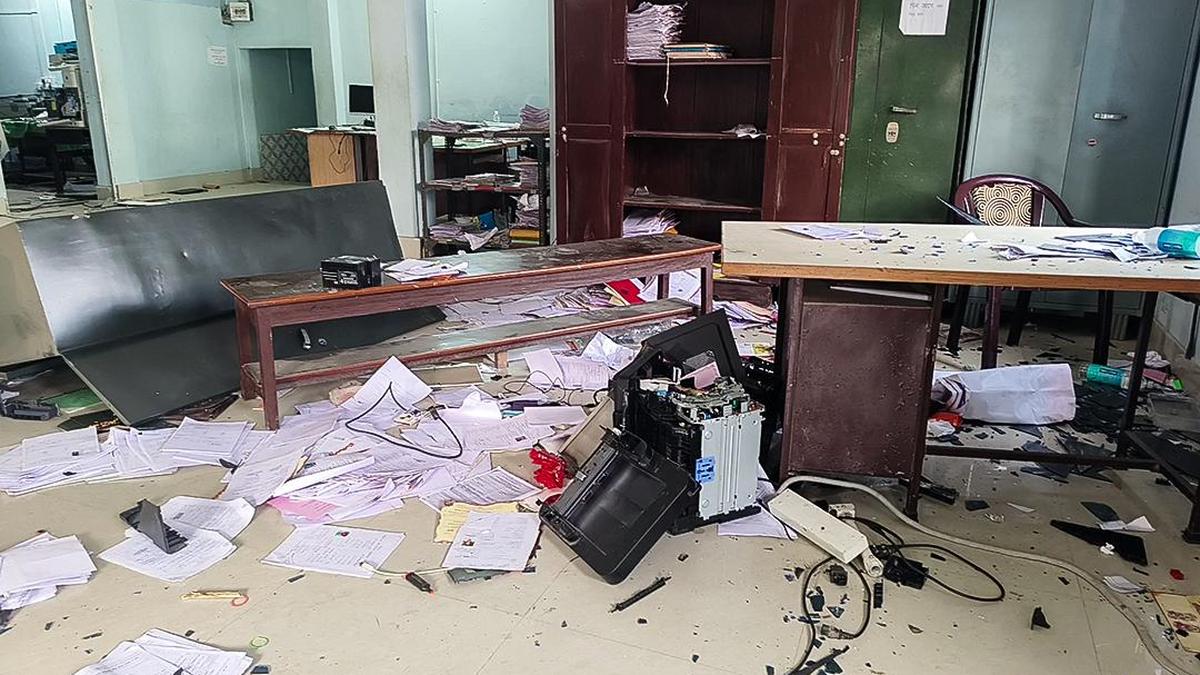
On January 15, 2026, protests against the ongoing Special Intensive Revision (SIR) of electoral rolls in West Bengal escalated into violence. A mob ransacked the Block Development Office (BDO) in Chakulia, North Dinajpur, attacking police personnel and destroying property estimated at ₹20 lakh. This incident follows a similar attack on a BDO office in Farakka on Wednesday, allegedly led by a Trinamool Congress MLA. The Election Commission of India (ECI) is conducting the SIR to address “logical discrepancies” in voter lists, leading to widespread discontent.
Key Points:
- A mob of approximately 300 people vandalized the BDO office in Chakulia on January 15, 2026.
- Property worth approximately ₹20 lakh was destroyed in the attack.
- The Officer-in-Charge of Chakulia police station was injured.
- Five people were arrested in connection with the Farakka BDO office vandalism.
- Trinamool Congress general secretary Abhishek Banerjee stated that people are being harassed in the name of SIR.
- The ECI has issued notices to about 1.36 crore people in the state due to ‘logical discrepancies.’
- West Bengal BJP president Samik Bhattacharya blamed the state government for the lawlessness.
Critical Analysis:
The protests and violence are directly linked to the ECI’s SIR initiative, which has identified a large number of “logical discrepancies” in voter lists, potentially leading to the deletion of names. The involvement of political figures, particularly from the Trinamool Congress, suggests a coordinated effort to either influence the revision process or to delegitimize it. Abhishek Banerjee’s threat of protests indicates a strategic attempt to pressure the ECI, while the BJP’s response highlights the polarized political climate in West Bengal.
Key Takeaways:
- The SIR process is highly contentious and has triggered significant unrest in West Bengal.
- Political parties are deeply involved in the issue, using it to mobilize supporters and criticize opponents.
- The ECI’s actions are being perceived as politically motivated by some factions.
- The violence underscores the fragility of the electoral process and the potential for manipulation.
- The incidents raise concerns about the fairness and transparency of upcoming elections.
Impact Analysis:
The ongoing SIR controversy and the associated violence could have several significant impacts:
- Electoral Trust: The credibility of the ECI and the integrity of the electoral process are being questioned, potentially leading to lower voter turnout or increased distrust in the results.
- Political Polarization: The events will likely exacerbate the already intense political rivalry between the Trinamool Congress and the BJP, potentially leading to further unrest.
- Legal Challenges: The SIR process may face legal challenges from individuals and political parties, further delaying or complicating the revision of electoral rolls.
- Administrative Burden: The ECI and state administration will need to address the logistical and security challenges posed by the protests and ensure a fair and peaceful electoral process.
- National Implications: The situation in West Bengal could attract national attention and influence the broader debate on electoral reforms and the role of the ECI.
 First Piper