
Thu Jan 15 10:59:36 UTC 2026: # Indian Army Prioritizes Indigenization and Future Readiness
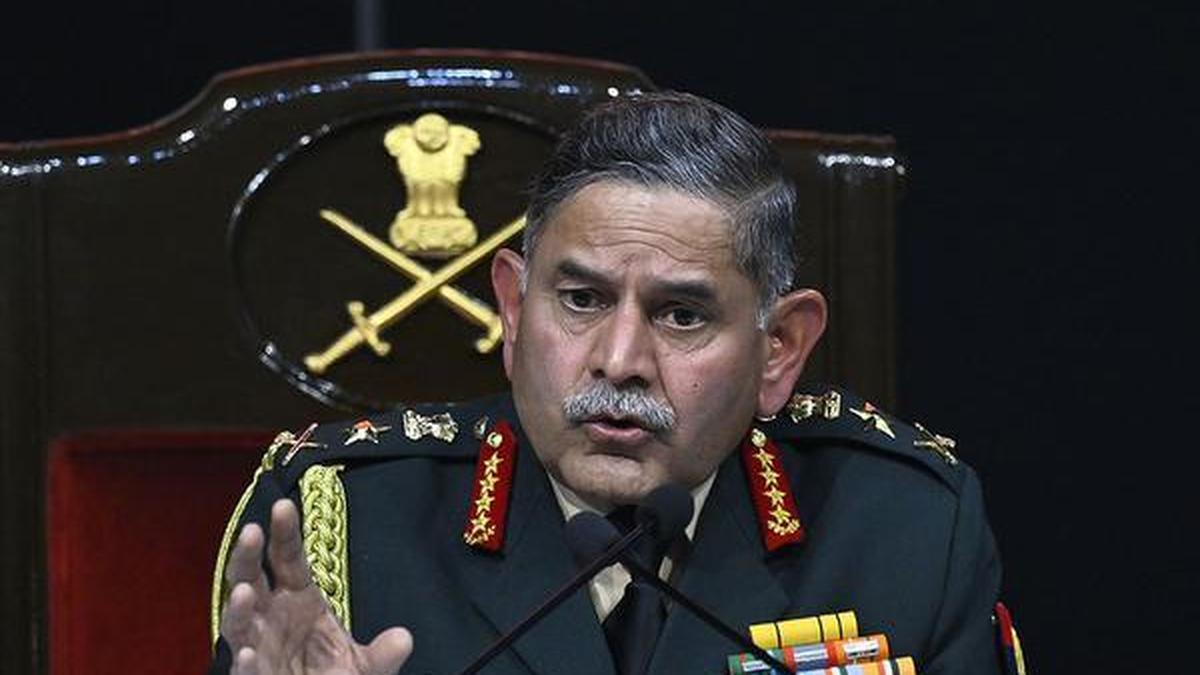
The Story: On January 15, 2026, Army Chief General Upendra Dwivedi addressed reporters in Jaipur after the Army Day parade, outlining the Indian Army’s strategic shift towards becoming a future-ready force. He emphasized the critical need for indigenous equipment, citing it as a “strategic necessity.” General Dwivedi highlighted Operation Sindoor as an example of the Army’s ability to respond effectively and confidently, and discussed the creation of new units like the Bhairav Battalion and Shakti Baan Regiment to enhance agility and responsiveness. He also touched upon the evolving nature of warfare, drawing lessons from the Russia-Ukraine conflict and the importance of research and development for self-reliance.
Key Points:
- The Indian Army is focusing on becoming a future-ready force with well-trained soldiers, modern equipment, and multi-domain operational capabilities.
- Indigenization of equipment is considered a “strategic necessity.”
- Operation Sindoor demonstrated the Army’s ability to respond with speed, coordination, and precision.
- New units, including the Bhairav Battalion and Shakti Baan Regiment, have been raised.
- The Russia-Ukraine conflict highlights the unpredictability of war duration.
- Research and development are crucial for long-term self-reliance in defense.
Critical Analysis:
The timing of General Dwivedi’s statements is noteworthy in the context of recent events. The article noting India preparing for five Assembly elections in 2026 (Wed Jan 14 09:23:04 UTC 2026) suggests a heightened focus on national security and demonstrating strength during a period of political activity. Emphasizing indigenous manufacturing can be seen as a way to bolster public confidence and project an image of self-reliance, appealing to a nationalistic sentiment during the election cycle.
Key Takeaways:
- The Indian Army is actively adapting to the changing dynamics of modern warfare.
- Self-reliance in defense equipment is a paramount strategic goal for India.
- The creation of specialized units reflects a proactive approach to address emerging security challenges.
- The Army is emphasizing the importance of integrating technology without replacing manpower.
- There is a clear acknowledgement of the unpredictable nature of future conflicts and the need for preparedness.
Impact Analysis:
The Indian Army’s emphasis on indigenization and future readiness has significant long-term implications. By prioritizing domestic defense production, India aims to reduce its reliance on foreign suppliers, thereby enhancing its strategic autonomy. This shift can stimulate economic growth by creating jobs in the defense manufacturing sector and fostering technological innovation. Furthermore, a stronger, more self-reliant military can enhance India’s regional influence and its ability to safeguard its national interests in an increasingly complex geopolitical landscape. The creation of new units tailored to specific operational needs reflects a long-term strategy to address evolving security threats and maintain a competitive edge. This will likely translate into increased investment in defense research, development, and infrastructure in the coming years.
 First Piper