
Thu Jan 15 12:13:17 UTC 2026: ### Supreme Court Intervention Highlights Tensions Between BJP and West Bengal Government
The Story:
The Supreme Court has taken a significant step in the ongoing conflict between the Bharatiya Janata Party (BJP) and the West Bengal government, led by Chief Minister Mamata Banerjee. The court’s observations regarding the Enforcement Directorate’s (ED) allegations of obstruction during raids at Indian Political Action Committee (I-PAC) premises have been described by the BJP as a “serious indictment” of Banerjee and her government. The court agreed to examine the ED’s claims that Banerjee interfered with a central agency’s investigation and stayed the FIR filed against ED officials, signaling escalating tensions between the central government and the state.
Key Points:
- The Supreme Court described the ED allegation that Ms. Banerjee caused \”obstruction\” in its probe as \”very serious.”
- The Supreme Court stayed the FIR filed in West Bengal against ED officials who raided the I-PAC office and the residence of its director, Pratik Jain, on January 8, 2026.
- The court issued notices to Ms. Banerjee, the West Bengal Government, Director General of Police (DGP) Rajeev Kumar, and top cops, seeking a CBI probe against them for allegedly obstructing raids.
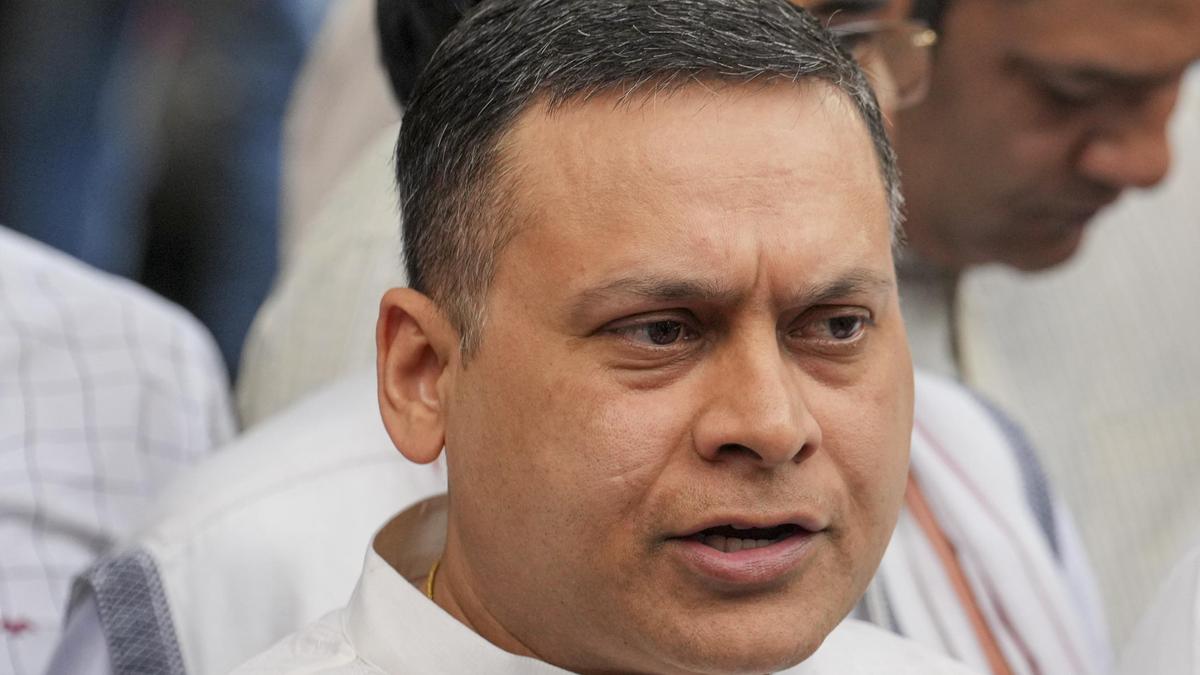
- BJP co-in-charge for West Bengal, Amit Malviya, accused Ms. Banerjee of using state machinery to shield those accused of coal smuggling and money laundering.
- The ED alleged that Ms. Banerjee entered the I-PAC premises and took away \”key\” evidence related to the probe.
Critical Analysis:
The provided context suggests a growing friction between the central government (BJP) and the West Bengal state government. The Supreme Court’s intervention, staying the FIR and issuing notices, highlights a serious concern about the potential misuse of state power to obstruct central investigations. This follows a pattern of escalating tensions between the two entities, potentially stemming from political rivalry and differing views on the scope of central agencies’ authority within states.
Key Takeaways:
- The Supreme Court’s intervention underscores the seriousness of the allegations of obstruction of justice.
- The conflict reflects the broader political battle between the BJP and the Trinamool Congress (TMC) in West Bengal.
- The case raises questions about the balance of power between the central government and state governments in India, especially concerning investigations into financial crimes.
- The integrity of the ED’s investigation is now under the scrutiny of the Supreme Court, potentially impacting the future course of the coal smuggling case.
Impact Analysis:
The Supreme Court’s decision will likely have a significant impact on the political landscape of West Bengal. This case could embolden central agencies to pursue investigations more aggressively in states governed by opposition parties. Furthermore, the outcome of this case could set a precedent for the extent to which state governments can interfere with central investigations. The long-term implications extend to the balance of federalism in India, impacting the autonomy of states versus the authority of central agencies in handling corruption and financial crimes.
 First Piper