
Thu Jan 15 09:00:50 UTC 2026: # India Responds to Escalating Crisis in Iran, Prioritizes Citizen Safety
The Story:
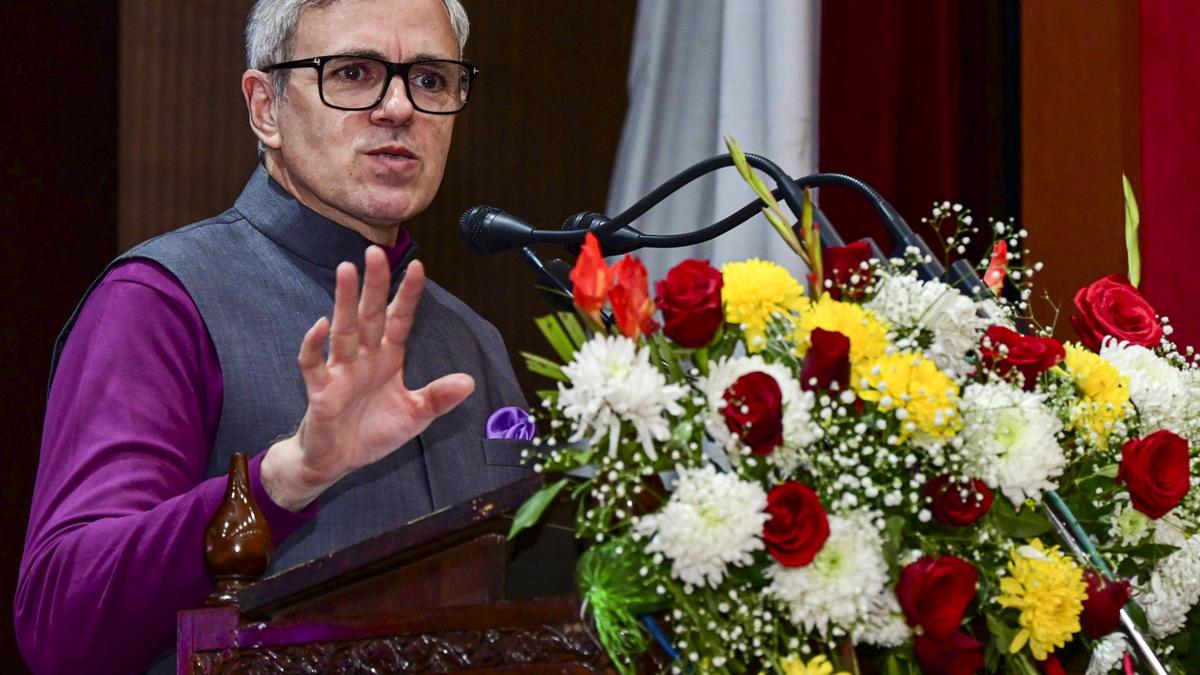
Amid escalating tensions in Iran due to widespread protests and a potential U.S. military intervention, the Indian government has issued an advisory urging all Indian nationals to leave Iran. January 15, 2026, Jammu and Kashmir Chief Minister Omar Abdullah contacted External Affairs Minister S Jaishankar regarding the safety of students from the union territory residing in Iran. Jaishankar assured Abdullah that the government is taking all necessary steps to safeguard the interests and lives of Indian citizens in Iran. This follows India’s travel advisory issued on January 14, 2026.
Key Points:
- January 15, 2026: J&K Chief Minister Omar Abdullah spoke with External Affairs Minister S Jaishankar about the situation in Iran.
- S Jaishankar assured that steps are being taken to protect Indian citizens, especially students, from J&K.
- India issued a travel advisory on January 14, 2026, urging Indian nationals to leave Iran.
- An estimated 10,000+ Indians, including students, are currently in Iran.
- The Indian embassy in Tehran has urged all Indians to leave by available means and to keep their travel documents ready.
- Over 2,500 people have reportedly died in the Iranian protests, according to the US-based Human Rights Activists News Agency (HRANA).
Critical Analysis:
The related historical context reveals a series of diplomatic actions preceding the news article. The Iranian Foreign Minister’s call to S Jaishankar on January 14, 2026, and Jaishankar’s subsequent conversation regarding the unrest, indicate a proactive approach by India to address the evolving situation. This suggests a coordinated effort between the two nations to understand and potentially mitigate the crisis. Also, India is seemingly preparing for multiple possible outcomes, from a potential military intervention to a diplomatic resolution.
Key Takeaways:
- India is actively monitoring the situation in Iran and prioritizing the safety of its citizens.
- The Indian government is maintaining diplomatic channels with Iran amidst the unrest.
- The high number of Indian citizens in Iran presents a significant logistical challenge for evacuation and safety.
- The escalating violence and potential for military intervention necessitate a swift and decisive response from the Indian government.
Impact Analysis:
The situation in Iran could have significant geopolitical ramifications, especially if the U.S. intervenes militarily. India’s response will be crucial in ensuring the safety of its citizens and maintaining its strategic interests in the region. This event may lead to a re-evaluation of India’s foreign policy towards the Middle East, potentially strengthening ties with countries less aligned with Iran. Furthermore, the efficiency of the evacuation efforts and the support provided to returning citizens will likely influence public perception of the government’s handling of foreign crises. The long-term impact will also depend on the resolution of the Iranian protests and the stability of the region.
 First Piper