
Thu Jan 15 04:23:14 UTC 2026: ### Headline: Iran Extends Airspace Closure Amid US Tensions; Trump Claims Execution Plans Halted
The Story:
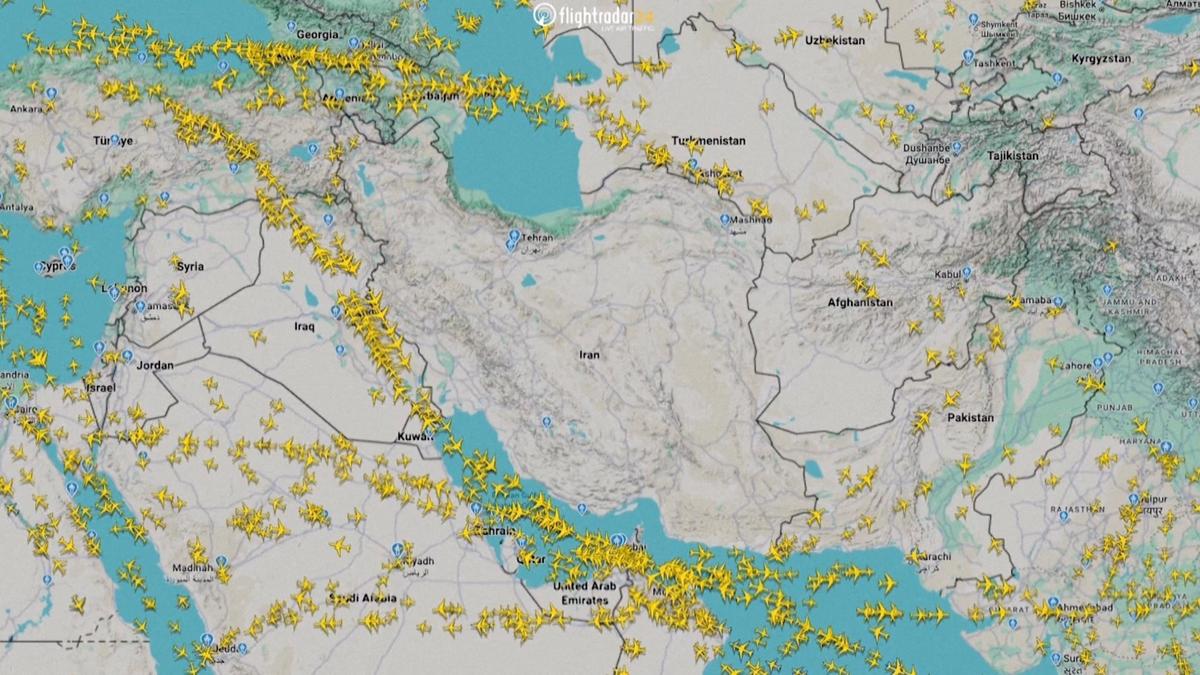
Iran has extended the closure of its airspace to commercial aircraft without explanation on Thursday, January 15, 2026, escalating concerns of potential military action between the United States and Iran. This action follows Iranian officials signaling fast trials and executions for those detained during nationwide protests, with promises of retaliation against the U.S. or Israel should they intervene. Simultaneously, some personnel at a key U.S. military base in Qatar were advised to evacuate. U.S. President Donald Trump stated that plans for executions in Iran have reportedly ceased, though specifics remain vague.
Despite the heightened tensions, both Iranian Foreign Minister Abbas Araghchi and President Trump have expressed a willingness to find a diplomatic solution, although Araghchi noted Iran’s past negative experiences with U.S. negotiations. The conflicting signals from both sides highlight the volatile nature of the situation.
Key Points:
- Iran extended its airspace closure to commercial aircraft on January 15, 2026, without providing a reason.
- Iranian officials previously threatened fast trials and executions for those arrested during protests.
- The Iranian government warned of retaliation against the U.S. or Israel if they interfere in Iran’s internal affairs.
- Some U.S. military personnel in Qatar were advised to evacuate.
- President Trump claimed that Iran has halted its plans for executions, citing “good authority.”
- Foreign Minister Araghchi advocated for diplomacy over war, despite past grievances.
Critical Analysis:
The conflicting signals from both the Iranian and U.S. governments suggest a delicate dance between projecting strength and seeking a diplomatic off-ramp. Iran’s initial threats of swift punishment for protesters and warnings against foreign intervention were likely intended to deter further unrest and discourage external meddling. Simultaneously, Trump’s claims of halted executions, coupled with hints of potential action, could be aimed at pressuring Iran to de-escalate while also appeasing international concerns. The mention of personnel evacuation from Qatar likely serves as a precautionary measure, a tactical deployment in the face of increasing risks, and as a further demonstration of readiness. The closure of Iranian airspace adds another layer of instability, possibly indicating military preparedness or internal security concerns.
Key Takeaways:
- The situation between the U.S. and Iran remains highly volatile, characterized by conflicting signals and escalating actions.
- The closure of Iranian airspace significantly impacts international air travel, as seen with the Indian airlines advisory.
- Despite tensions, both sides have signaled a willingness to explore diplomatic solutions.
- The potential for military intervention remains a significant concern, influencing actions taken by both the U.S. and Iran.
- Internal unrest in Iran and external pressures from the U.S. are intertwined, creating a complex and unpredictable scenario.
Impact Analysis:
The ongoing tensions between the U.S. and Iran have significant long-term implications:
- Economic Impact: Continued instability could disrupt global oil markets and impact international trade routes.
- Geopolitical Realignments: The crisis could further polarize the Middle East and influence alliances.
- International Security: Increased military presence and potential for conflict pose a threat to regional and global security.
- Domestic Policies: The Iranian government’s response to protests will shape its future legitimacy and stability. The US response is also expected to affect domestic policy.
- Diplomatic Relations: The future of U.S.-Iran relations hinges on the ability to find a lasting diplomatic solution, and any conflict will further damage relations.
 First Piper