
Wed Jan 14 13:25:48 UTC 2026: # India Dismisses Canada’s Nijjar Allegations, Cites Lack of Evidence and Air India Bombing Inaction
The Story:
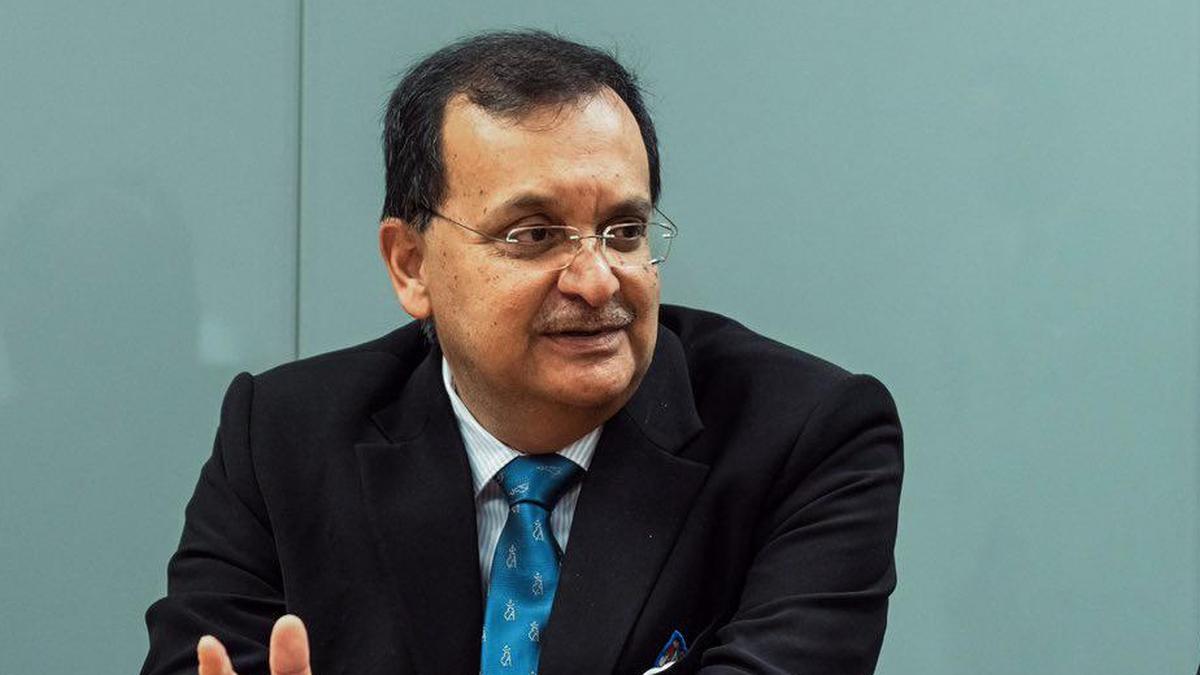
Indian High Commissioner Dinesh K. Patnaik has strongly refuted Canada’s allegations linking India to the killing of Sikh separatist leader Hardeep Singh Nijjar, stating that the case concerns specific individuals, not the Indian government. In an interview with CBC News on January 14, 2026, Patnaik criticized Canada’s lack of evidence in the Nijjar case and highlighted the unresolved 1985 Air India bombing, where no one has been convicted despite India raising concerns about terrorism in Canada for 40 years. His remarks coincided with British Columbia Premier David Eby’s trade mission to India.
Key Points:
* Dinesh K. Patnaik, the Indian High Commissioner to Canada, dismissed allegations of Indian government involvement in the killing of Hardeep Singh Nijjar.
* Patnaik pointed out that the case in Surrey, Canada, is against four individuals, not the government of India.
* He criticized Canada for providing information but no concrete evidence linking the Indian government to the assassination.
* Patnaik referenced the unresolved 1985 Air India bombing, highlighting Canada’s lack of convictions despite decades of Indian concerns about terrorism.
* Relations between India and Canada have been strained since September 2023, following allegations by then-Prime Minister Justin Trudeau.
* British Columbia Premier David Eby is currently on a trade mission to India, indicating efforts to improve relations.
Critical Analysis:
The timing of Patnaik’s strong rebuttal, coinciding with Premier Eby’s trade mission, suggests a calculated effort by India to leverage economic ties to push back against the allegations and reset the narrative. The repeated emphasis on the lack of evidence and the comparison to the Air India bombing case are tactics to deflect criticism and portray India as a victim of unsubstantiated accusations.
Key Takeaways:
- The diplomatic tensions between India and Canada remain high despite efforts to normalize relations.
- India is actively pushing back against allegations of government involvement in the Nijjar killing, demanding concrete evidence.
- The unresolved Air India bombing continues to be a point of contention in India-Canada relations.
- India is using economic diplomacy to influence the narrative surrounding the Nijjar case.
- The focus on individual actors rather than the government is a key aspect of India’s defense strategy.
Impact Analysis:
The ongoing dispute surrounding the Nijjar killing has significant long-term implications for India-Canada relations. The allegations and counter-allegations can erode trust and hinder cooperation on key issues such as trade, security, and immigration. The “high-risk” classification of Indian students by Australia mentioned in the related historical context coupled with the US backlash regarding H-1B visas points to a growing international scrutiny of Indian diaspora and affairs. This situation could also impact the Indian diaspora in Canada, potentially leading to increased discrimination or heightened security measures. The impasse over evidence and accountability could further fuel separatist movements and complicate bilateral engagements for years to come.
 First Piper