
Thu Jan 15 05:14:19 UTC 2026: # Minneapolis Engulfed in Turmoil After Second Federal Shooting Incident
The Story:
Tensions in Minneapolis have reached a boiling point following a second shooting involving federal law enforcement agents in a week. On January 15, 2026, a federal officer shot a person in the leg while attempting to make an arrest, after being allegedly attacked with a shovel and broom handle. This incident occurred just 4.5 miles north of a previous shooting on January 7, 2026, in which an ICE agent fatally shot Renee Nicole Good. The escalating situation has sparked widespread protests and condemnation from local leaders, who accuse the federal government of violating constitutional rights.
Key Points:
- A federal officer shot an individual in the leg on January 15, 2026, after being attacked with a shovel and broom handle.
- The incident involved a person from Venezuela who was allegedly in the U.S. illegally.
- The Department of Homeland Security (DHS) stated the officer fired a defensive shot fearing for his life.
- This shooting follows the fatal shooting of Renee Nicole Good by an ICE agent on January 7, 2026.
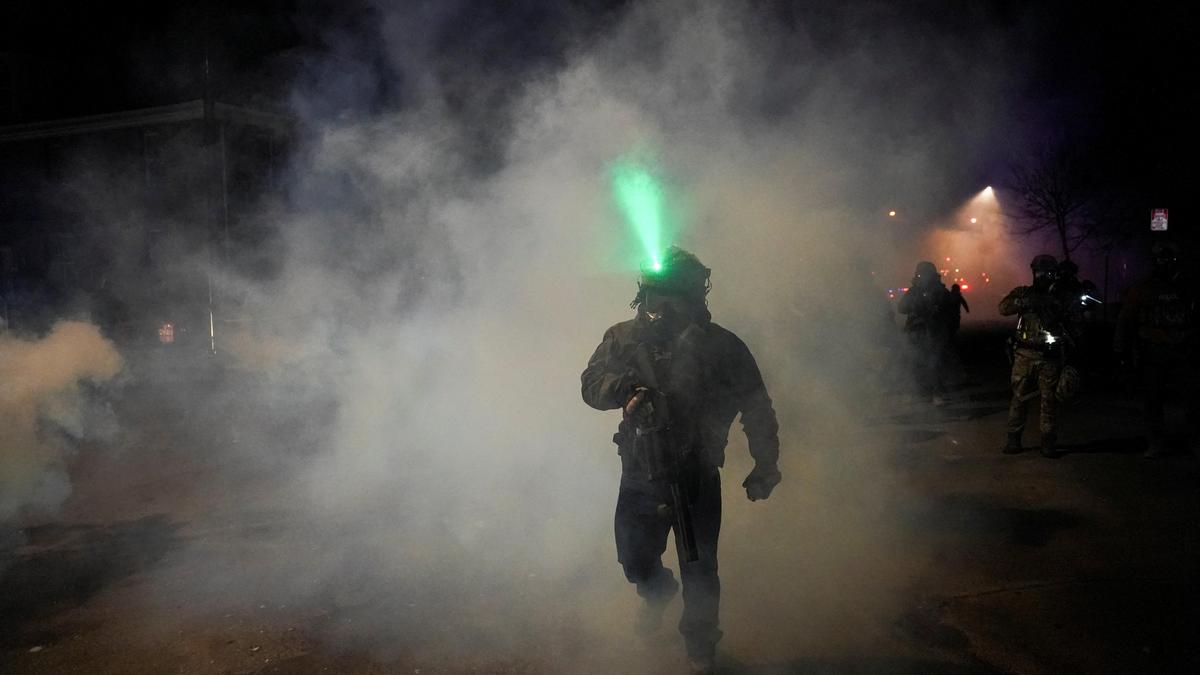
- Large protests have erupted, with law enforcement using tear gas to disperse crowds.
- Minnesota and the cities of Minneapolis and St. Paul have filed a lawsuit challenging the federal immigration crackdown.
- Governor Tim Walz has described the situation as “a campaign of organized brutality” by the federal government.
- The Pentagon is preparing to send military lawyers to Minneapolis to assist with the increasing legal complexities.
- Homeland Security Secretary Kristi Noem claims Renee Good used her SUV as a weapon, a claim disputed by Minnesota officials.
- Renee Good’s family has hired the same law firm that represented George Floyd’s family.
Critical Analysis:
The related historical context reveals a pattern of escalating federal immigration enforcement actions, not just in Minneapolis, but also in other locations like Lincoln, Nebraska. The timing of these events, all occurring around the same date, January 15, 2026, suggests a coordinated effort by the federal government. This coordinated increase in enforcement, coupled with the deployment of military legal resources, indicates a pre-planned strategy to aggressively pursue immigration enforcement, even in the face of growing local resistance and legal challenges.
Key Takeaways:
- The situation in Minneapolis represents a significant escalation of tensions between the federal government and local communities regarding immigration enforcement.
- The deployment of military lawyers suggests a proactive approach by the Trump administration to counter legal challenges to its immigration policies.
- The incidents are polarizing, with accusations of federal overreach on one side and claims of self-defense on the other.
- The hiring of George Floyd’s family’s law firm by Good’s family underscores the deep racial and social justice implications of the situation.
- The governor’s strong condemnation indicates a breakdown in trust between the state and federal government.
Impact Analysis:
The events in Minneapolis are likely to have significant and long-term implications:
- Legal Precedent: The lawsuits filed by Minnesota and its cities could set important legal precedents regarding the limits of federal immigration enforcement power and the rights of protesters and observers.
- Political Polarization: The situation will likely further deepen the existing political divide over immigration policy and federalism.
- Social Unrest: Continued aggressive enforcement tactics could lead to further protests and potential for violence.
- Community Relations: The incidents will likely damage trust between law enforcement and minority communities, making future cooperation more difficult.
- Military Involvement in Domestic Affairs: The deployment of military lawyers raises concerns about the increasing militarization of domestic law enforcement.
 First Piper