
Thu Jan 15 16:30:30 UTC 2026: ### Supreme Court Questions Election Commission on Voter Roll Citizenship Presumption
The Story:
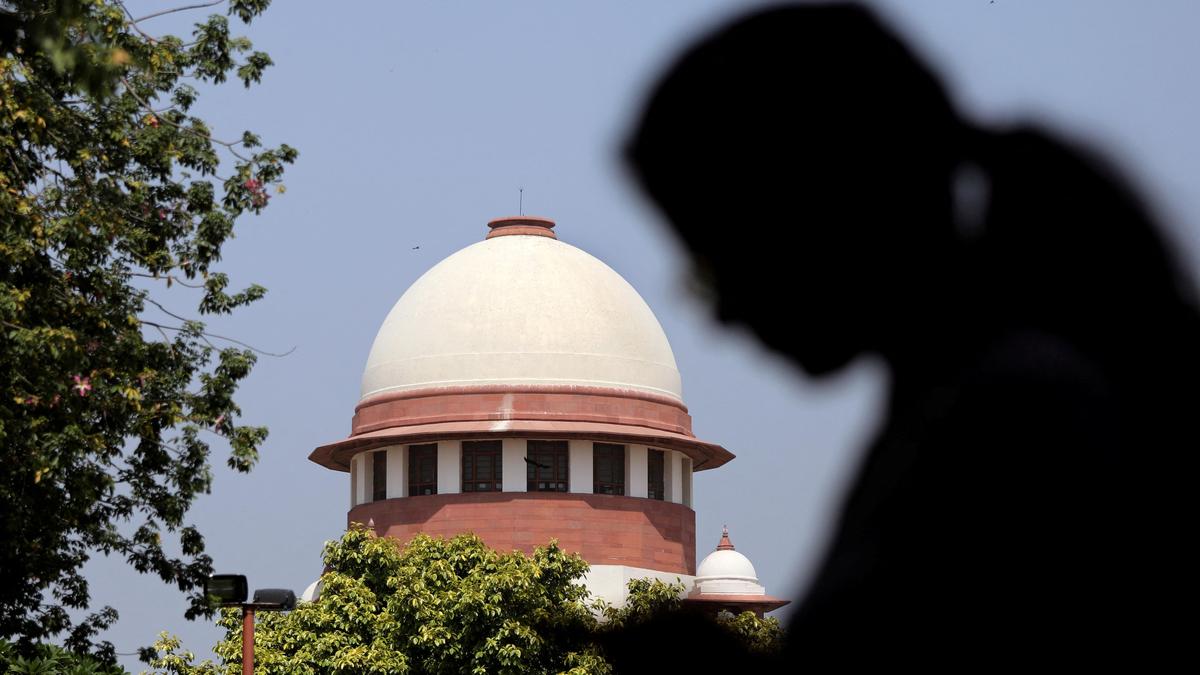
The Supreme Court of India, on January 15, 2026, raised fundamental questions to the Election Commission of India (ECI) regarding the Special Intensive Revision (SIR) of electoral rolls. The bench, consisting of Chief Justice Surya Kant and Justice Joymalya Bagchi, questioned whether the ECI could safely presume that voters who have survived multiple roll revisions are citizens. This query stemmed from challenges to the SIR and discussions referencing a 1995 Supreme Court judgment (Lal Babu Hussain case) which stated that individuals already on the voter list should not be asked to prove citizenship.
During the hearing, the court scrutinized the ECI’s stance on determining citizenship during voter registration. The ECI, represented by senior advocate Rakesh Dwivedi, argued it was constitutionally bound to determine citizenship for voter registration, but it would not have any broader legal consequences. Justice Bagchi specifically questioned the impact of exemptions granted during the Bihar SIR, and whether it effectively erased previous electoral roll revisions.
Key Points:
- The Supreme Court questioned the ECI about the citizenship presumption for voters on electoral rolls.
- The query arose in the context of challenges to the Special Intensive Revision (SIR) of electoral rolls.
- The Court referenced the 1995 Lal Babu Hussain case, which addressed the burden of proof for citizenship.
- The ECI argued it has a constitutional duty to determine citizenship for voter registration.
- The ECI defended the SIR exercise as a “soft-touch, a liberal approach.”
- The ECI stated that 65 lakh names were excluded in Bihar due to death, migration, or duplicate entries, and none of those excluded filed an appeal.
Critical Analysis:
The historical context reveals a pattern of concerns surrounding the electoral process leading up to this Supreme Court questioning. Reports of discrepancies in Uttar Pradesh SIRs, specifically rural voters exceeding the total number of voters, highlight potential systemic issues with voter roll accuracy. Furthermore, allegations of voter fraud during the Maharashtra civic polls, with claims of ink being wiped off, raise serious doubts about the integrity of the voting process. These earlier events likely contribute to the Supreme Court’s heightened scrutiny of the ECI’s methods for voter roll revision and citizenship verification.
Key Takeaways:
- The Supreme Court is actively examining the ECI’s procedures for maintaining accurate and legitimate voter rolls.
- The Court is concerned about potential disenfranchisement and the need to balance voter enfranchisement with ensuring only legitimate citizens are registered.
- The ECI’s claim of a “soft-touch” approach to SIR is being tested against concerns about accuracy and potential manipulation.
- The Lal Babu Hussain case of 1995 continues to be a relevant legal precedent in determining citizenship requirements for voters.
- Public trust in the electoral process hinges on the ECI’s ability to address these concerns effectively.
Impact Analysis:
This Supreme Court intervention has significant implications for the future of electoral integrity in India. If the Court determines that the ECI’s current practices are insufficient for ensuring only legitimate citizens are registered, it could mandate stricter verification procedures. This could potentially lead to:
- Increased scrutiny of voter registration documents and processes.
- Amendments to the SIR guidelines to address concerns about accuracy and potential bias.
- Greater oversight of the ECI’s activities by the judiciary and other independent bodies.
- Possible delays in future elections due to more rigorous voter verification processes.
- A renewed focus on voter education and awareness programs to ensure citizens understand their rights and responsibilities.
These developments could reshape the electoral landscape and have a long-lasting impact on India’s democratic processes, potentially affecting the participation of marginalized communities.
 First Piper