
Wed Jan 14 23:30:00 UTC 2026: # Chennai’s Waste Burning Crisis Persists Despite GCC Efforts
The Story:
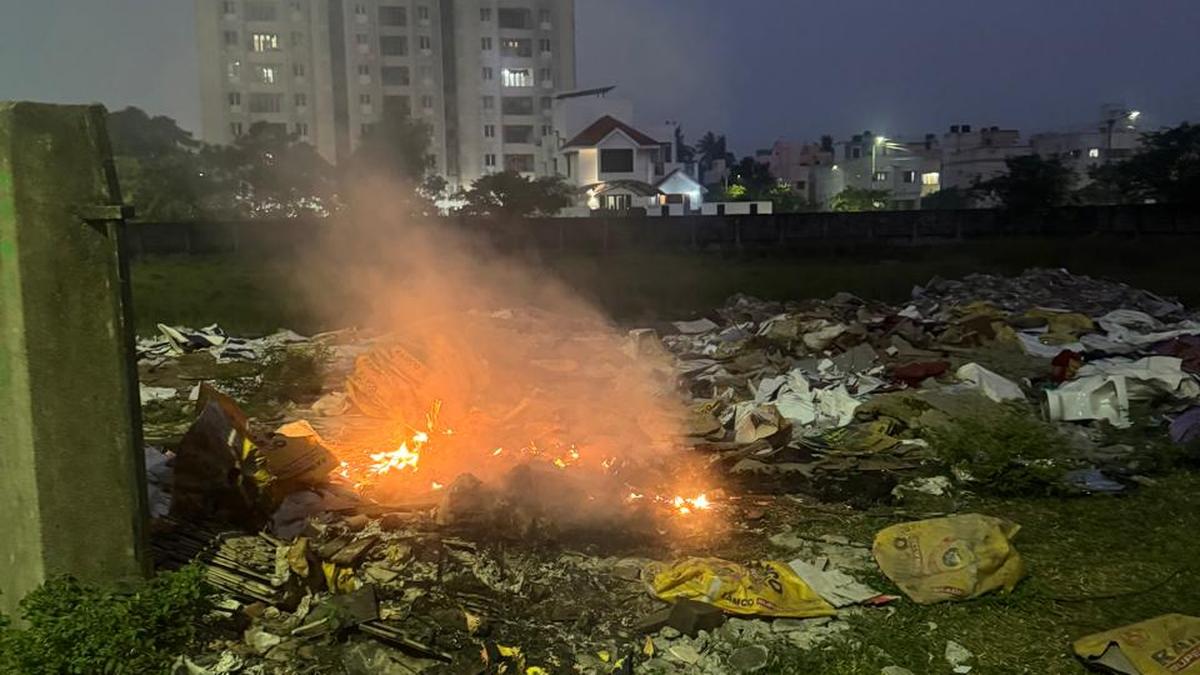
Residents of Chennai are raising concerns about the persistent practice of waste burning across the city, despite efforts by the Greater Chennai Corporation (GCC) to control it. A recent news article highlights that violations continue, impacting air quality and public health. Residents of areas like Marudham Nagar, Sholinganallur, report repeated instances of garbage burning on private plots, leading to complaints to the GCC and the Chief Minister’s Cell without satisfactory resolution. Similar issues are noted in other parts of Chennai, raising questions about the effectiveness of current enforcement measures.
Key Points:
- Waste burning persists in Chennai despite GCC regulations.
- Residents of Marudham Nagar, Sholinganallur, report ongoing waste burning on a private plot.
- Complaints to GCC and the Chief Minister’s Cell have allegedly gone unanswered.
- Similar incidents are reported near a children’s hospital in Velachery and under the MRTS railway track.
- The GCC imposes fines for waste burning, ranging from ₹500 to ₹2,000, with doubled fines for repeat violations.
- Civic activists claim enforcement of penalties is weak, with burning occurring near Madras University and other locations.
- The GCC claims to have deployed enforcement vehicles and imposed fines, with 197 commercial establishments and 33 residents penalized on December 12, 2025.
Critical Analysis:
The primary article highlights a failure of governance and enforcement. Despite regulations and claims of action, waste burning continues, suggesting a lack of accountability and effective deterrence. The issue also reveals a conflict between private property rights and public health concerns, with the GCC hesitant to intervene on privately owned land despite the impact on residents.
Key Takeaways:
- Current waste management strategies in Chennai are insufficient to deter waste burning.
- The GCC needs to strengthen enforcement of penalties for waste burning.
- There is a need for a more proactive approach to address waste burning on private land that affects public health.
- Greater community engagement and awareness campaigns are necessary to discourage waste burning.
- The residents living near the Kodungaiyur dumpyard continue to be the most affected.
Impact Analysis:
The persistent waste burning issue has significant long-term implications for Chennai. Air pollution contributes to respiratory illnesses and other health problems, increasing healthcare costs and reducing quality of life. The environmental damage can also negatively impact the city’s reputation and attractiveness for investment and tourism. Without significant intervention, the situation is likely to worsen as the city’s population and waste generation continue to grow.
 First Piper