
Thu Jan 15 14:37:46 UTC 2026: ### Headline: Supreme Court Orders Inquiry into Uttar Pradesh Voter Roll Discrepancies; Addresses Kerala Voter Exclusion Concerns
The Story:
The Supreme Court of India has directed the Election Commission of India (ECI) to investigate a significant discrepancy in voter numbers in Uttar Pradesh. This follows a submission by Barabanki MP Tanuj Punia highlighting inconsistencies between the ECI’s Special Intensive Revision (SIR) of Assembly electoral rolls and the State Election Commission’s SIR of Panchayat (rural) voter rolls. Simultaneously, the Court addressed concerns regarding the exclusion of a large number of voters from the draft electoral roll in Kerala, ordering the ECI to ensure public accessibility to the list of deleted names.
Key Points:
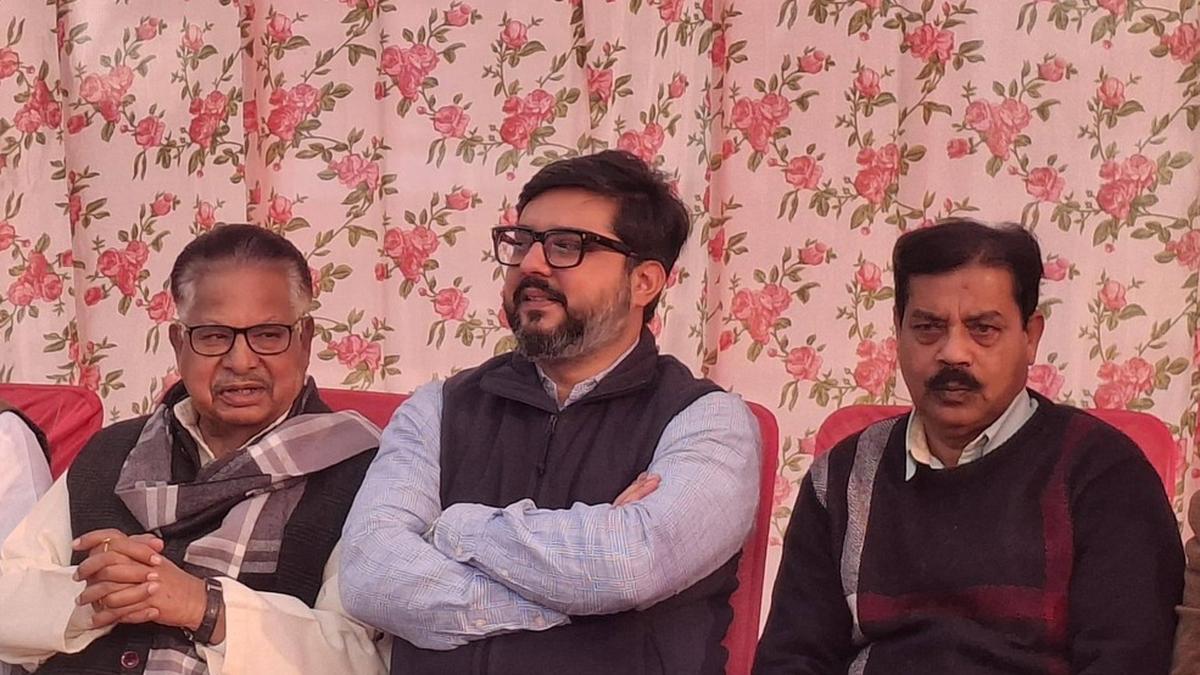
- Tanuj Punia, Barabanki MP, submitted a note to the Supreme Court regarding discrepancies in Uttar Pradesh voter numbers.
- The ECI’s SIR reported 12.56 crore total voters in UP, a reduction of 2.89 crore.
- The State Election Commission’s SIR reported 12.69 crore rural voters alone, an increase of 40 lakh.
- Senior Advocate Salman Khurshid argued the anomaly impacts the credibility of the SIR process and free and fair elections.
- In a separate hearing, the Court addressed concerns over approximately 24 lakh people excluded from the draft electoral roll in Kerala.
- Senior Advocate Ranjit Kumar, representing the CPI(M), highlighted the lack of public access to the list of deleted names in Kerala.
- The Court ordered the ECI to publish the list in panchayat offices and on its website.
Critical Analysis:
The timing of these events, occurring alongside discussions of using AI and emerging technologies to increase the efficiency of democracy, underscores the importance of ensuring these technologies are implemented fairly and transparently. The caution against the misuse of AI in democracy becomes particularly relevant when considering the discrepancies in voter rolls. The EVM errors reported in Maharashtra civic polls further fuel concerns about the integrity of the electoral process.
Key Takeaways:
- The Supreme Court is actively monitoring the integrity of electoral processes in India.
- Discrepancies in voter rolls, particularly in a politically significant state like Uttar Pradesh, raise concerns about potential manipulation or errors in the electoral system.
- Public accessibility and transparency are crucial in maintaining confidence in the electoral process.
- The Election Commission faces increasing scrutiny to ensure fair and accurate elections.
- The concurrent events raise concerns about the reliability and vulnerabilities of the election process.
Impact Analysis:
The Supreme Court’s intervention underscores the judiciary’s role in safeguarding democratic processes. The outcome of the ECI’s investigation into the Uttar Pradesh voter roll discrepancies could have significant implications for future elections in the state. Moreover, the Court’s emphasis on transparency in Kerala sets a precedent for ensuring inclusivity in the electoral process nationwide. These events could lead to reforms in how voter rolls are compiled and verified, potentially including enhanced oversight and auditing mechanisms. The demand for greater transparency will likely increase, pushing the ECI and state election bodies to adopt more publicly accessible methods for verifying voter information and addressing grievances.
 First Piper