
Thu Jan 15 14:01:12 UTC 2026: ### Headline: Indian Parliament Emphasizes Ethical AI and Social Media Regulation to Safeguard Democratic Values
The Story:
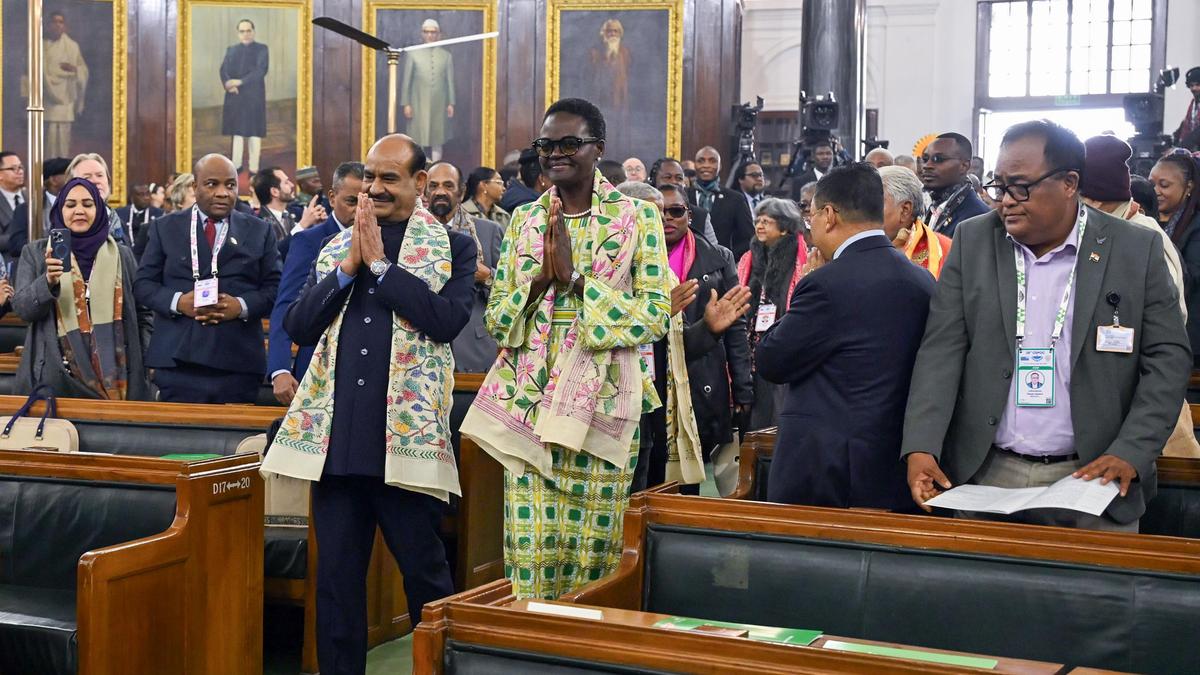
On January 15, 2026, Lok Sabha Speaker Om Birla addressed the 28th Conference of Speakers and Presiding Officers of the Commonwealth in New Delhi, highlighting the increasing integration of Artificial Intelligence (AI) and social media within democratic institutions. While acknowledging the enhanced efficiency and effectiveness brought about by these technologies, Birla cautioned against their misuse, citing concerns regarding misinformation, cybercrime, and social polarization. He emphasized the collective responsibility of legislatures to address these challenges and develop appropriate solutions.
Birla further noted the growing adoption of AI and digital technologies in the Indian Parliament and State Legislatures, pointing to the ongoing transition towards paperless systems and a unified digital platform aimed at improving transparency, efficiency, and accessibility. He also underscored India’s commitment to strengthening democracy through people-centric policies and the repeal of obsolete laws, aiming for self-reliance and development.
Key Points:
- Lok Sabha Speaker Om Birla addressed the 28th Conference of Speakers and Presiding Officers of the Commonwealth in New Delhi on January 15, 2026.
- Birla emphasized the benefits of AI and social media in enhancing democratic efficiency but cautioned against their potential misuse.
- He highlighted the need for ethical AI and accountable social media frameworks to safeguard democratic values.
- India is actively integrating AI and digital technologies in its Parliament and State Legislatures.
- Over 1500 obsolete laws have been repealed as part of India’s focus on people-centric policies and self-reliance.
Critical Analysis:
The speech by Lok Sabha Speaker Om Birla reflects a growing global concern about the dual nature of technological advancements. While AI and social media offer unprecedented opportunities for efficient governance and citizen engagement, they also present significant risks to democratic processes through misinformation and societal division. India’s focus on ethical AI and regulatory frameworks aligns with international efforts to mitigate these risks, suggesting a proactive approach to managing technology’s impact on governance.
Key Takeaways:
- India recognizes both the potential benefits and risks of AI and social media in democratic governance.
- There is an increasing emphasis on ethical AI and responsible social media regulation at the parliamentary level.
- India is actively transitioning towards digital governance with a focus on transparency and efficiency.
- The repeal of obsolete laws indicates a commitment to streamlining governance and focusing on welfare-oriented legislation.
- These actions align with a broader national objective of achieving self-reliance and developed nation status.
Impact Analysis:
India’s proactive approach to AI and social media regulation could serve as a model for other Commonwealth nations and democracies worldwide. By prioritizing ethical frameworks and transparent digital infrastructure, India aims to harness the power of technology while mitigating its potential harms. This could lead to greater public trust in government institutions, increased citizen engagement, and a more resilient democratic system. Furthermore, the emphasis on repealing outdated laws and enacting welfare-focused legislation has the potential to drive inclusive growth and improve the quality of life for Indian citizens. The push toward a unified digital platform enhances accessibility and transparency, which may also lead to a better international image for the country in terms of technological advancement and citizen-centric governance.
 First Piper