
Tue Jan 13 03:23:07 UTC 2026: # Mayor Mamdani Moves into Gracie Mansion, Confronting Questions of Representation
The Story:
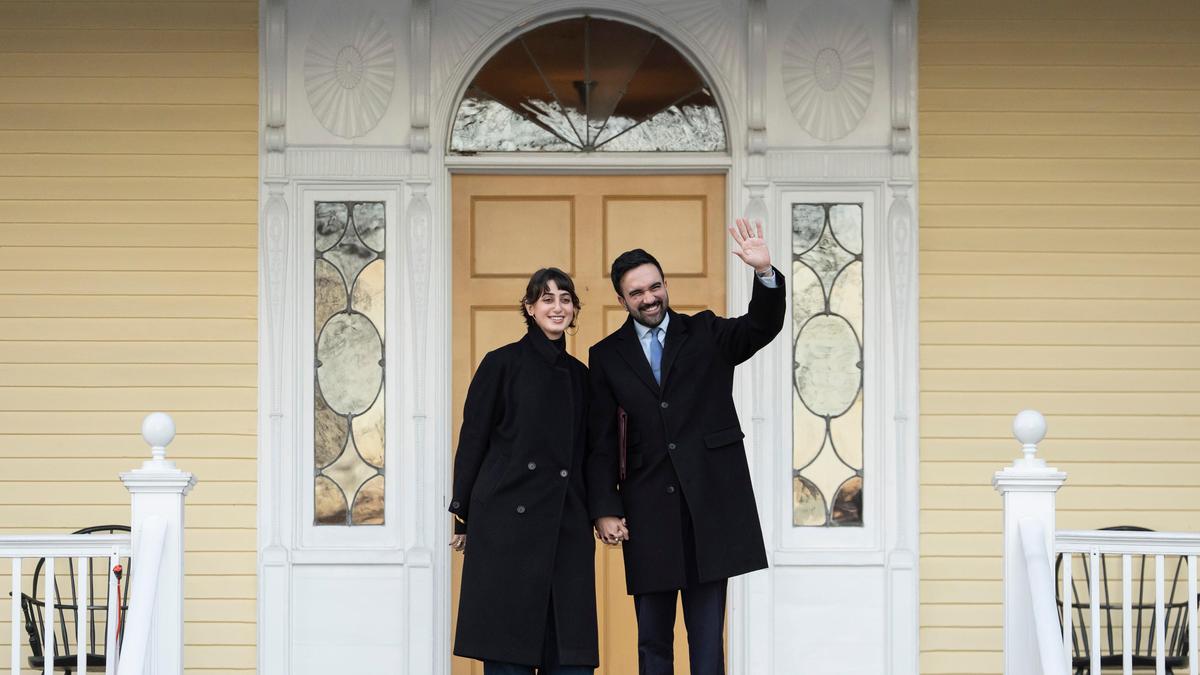
New York City Mayor Zohran Mamdani, along with his wife Rama Duwaji, officially moved into Gracie Mansion on January 12, 2026. This transition marks a significant change from their previous residence, a one-bedroom apartment in Queens, to the historic and spacious mayoral residence in Manhattan. Mamdani addressed the move in a press conference, acknowledging the potential disconnect between his personal living situation and his commitment to representing the people of New York.
Key Points:
- Mayor Zohran Mamdani and his wife Rama Duwaji moved into Gracie Mansion on January 12, 2026.
- Their previous residence was a $2,300 per month one-bedroom apartment in Queens, prone to flooding and lacking amenities like a washer and dryer.
- Gracie Mansion boasts 11,000 square feet of space, a private chef, an ornate ballroom, and a veranda overlooking the East River.
- Mamdani, a 34-year-old democratic socialist, recognizes the potential optics issue of moving from a modest apartment to a luxurious mansion.
- He plans to open Gracie Mansion to New Yorkers who typically wouldn’t have access.
- Mamdani’s previous neighborhood, Astoria, is known for its diversity and left-leaning political representation. His new neighborhood, the Upper East Side, is wealthier and predominantly white, and voted for his opponent, Andrew Cuomo.
Critical Analysis:
The move to Gracie Mansion highlights the inherent tension between Mamdani’s socialist ideals and the practical realities of holding a powerful political office. The historical context, particularly the contrasting news about his previous 1-BHK apartment, his friendship with Kal Penn, and the mention of a $100-million mansion (perhaps a misinterpretation of Gracie Mansion’s value), intensifies this narrative. Mamdani appears aware of the potential criticisms and is attempting to mitigate them by emphasizing his commitment to accessibility and representation, as well as a desire to bring bidets to the mansion.
Key Takeaways:
- The symbolic contrast between Mamdani’s previous living situation and Gracie Mansion poses a challenge to his image as a “man of the people.”
- Mamdani is proactively addressing these concerns, likely to avoid accusations of hypocrisy.
- His promise to open Gracie Mansion to the public represents a conscious effort to bridge the gap between the elite and everyday New Yorkers.
- The article underscores the cultural and economic divides within New York City, particularly between Queens and the Upper East Side.
- The media is closely scrutinizing Mamdani’s actions, potentially shaping public perception of his mayoralty.
Impact Analysis:
Mamdani’s ability to successfully navigate this situation will significantly impact his political capital and the effectiveness of his administration. His actions regarding Gracie Mansion, and his broader engagement with the Upper East Side community, will be closely watched. A successful integration could strengthen his support across the city, while a perceived failure could undermine his credibility and fuel opposition. This event will serve as an early test of his leadership and his ability to balance socialist ideals with the demands of governing a major metropolis.
 First Piper