
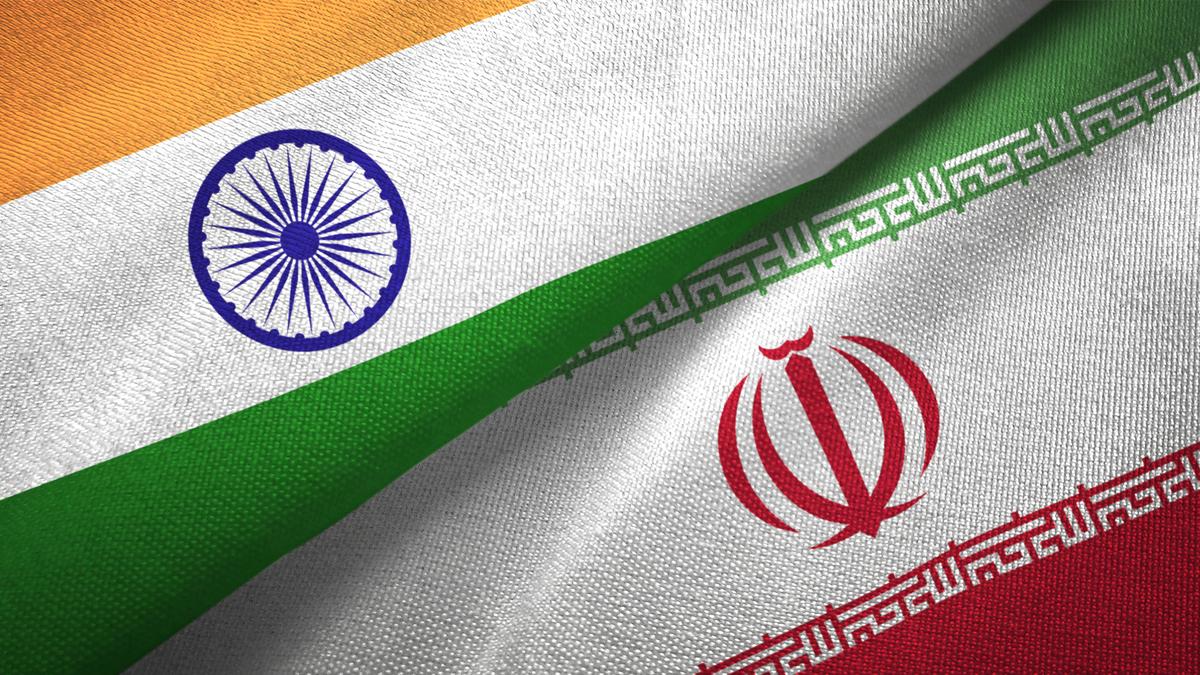
Tue Jan 13 17:13:55 UTC 2026: # India-Iran Ties Strained by U.S. Tariffs Amidst Domestic Unrest and BRICS Summit
The Story:
India’s relationship with Iran is facing renewed pressure following U.S. President Donald Trump’s announcement on January 13, 2026, that any country trading with Iran would face a 25% tariff if they also do business with the U.S. This development comes as India prepares to potentially reduce trade with Iran and host Iranian President Masoud Pezeshkian for the upcoming BRICS summit. The situation is further complicated by ongoing public protests in Iran, allegedly supported by President Trump, which are posing a threat to the current regime and leading to internet blackouts.
The tariff threat has also cast doubt on the planned visit of Iranian Foreign Minister Syed Abbas Araghchi to New Delhi. Despite these challenges, India, as the BRICS Chair for 2026, aims to showcase the organization’s ability to absorb “global shocks,” and Iran’s membership in BRICS makes India’s policy towards the Islamic Republic a matter of keen observation. India also has vested interests in the Chabahar port.
Key Points:
- U.S. President Trump announced a 25% tariff on countries trading with Iran if they also trade with the U.S.
- India is considering reducing trade with Iran due to “external economic factors.”
- India is scheduled to host Iranian President Masoud Pezeshkian for the BRICS summit.
- The visit of Iranian Foreign Minister Syed Abbas Araghchi to New Delhi is uncertain.
- Public protests in Iran, allegedly backed by President Trump, are threatening the Tehran regime.
- India is monitoring the welfare of Indian citizens in Iran amid internet blackouts.
- India is preparing to broaden its presence in Iran’s Chabahar port.
Critical Analysis:
The timing of President Trump’s tariff announcement, coupled with reported support for Iranian protests, indicates a deliberate strategy to isolate Iran economically and potentially destabilize its government. This creates a significant dilemma for India, which seeks to maintain its strategic relationship with Iran through initiatives like the Chabahar port and BRICS membership, while also needing to manage its trade relations with the United States.
Key Takeaways:
- The U.S. tariff threat is directly impacting India-Iran relations.
- India faces a complex balancing act between its ties with the U.S. and Iran.
- Internal instability in Iran is adding further pressure on India’s diplomatic calculations.
- BRICS presents a platform for India to potentially mitigate some of the U.S. pressure on Iran.
- The Chabahar port project and regional connectivity are at risk due to the escalating tensions.
Impact Analysis:
- Geopolitical Realignment: This situation may accelerate a further shift in geopolitical alliances, potentially pushing India closer to Russia and China within the BRICS framework, as a counterweight to U.S. influence.
- Economic Consequences: Reduced trade with Iran could hurt India’s energy security and access to Central Asian markets via the Chabahar port. The 25% tariff on trade with the U.S. will impact India’s economy as well.
- Regional Security: Instability in Iran could have wider implications for regional security, affecting Afghanistan and other neighboring countries, and potentially increasing refugee flows.
- BRICS Significance: The outcome of this situation will be a key test of BRICS’ ability to function as a cohesive geopolitical and economic bloc, offering an alternative to the U.S.-dominated world order.
- Long-Term Strategy: India’s response will set a precedent for how it navigates similar situations in the future, where it must balance competing interests of major global powers.
 First Piper