
Wed Jan 14 00:09:43 UTC 2026: # Supreme Court Leans Toward Upholding Transgender Athlete Bans Amidst National Debate
The Story:
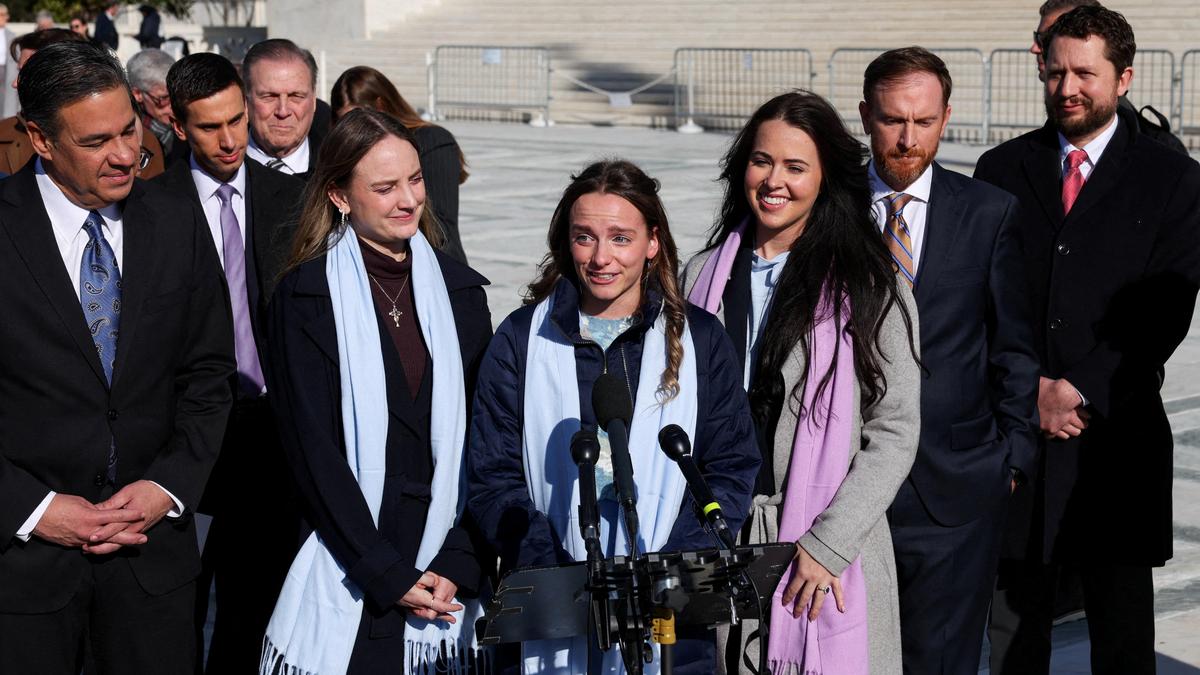
On January 13, 2026, the U.S. Supreme Court heard arguments regarding state laws banning transgender athletes from participating on female sports teams. Conservative justices signaled support for upholding these laws, while liberal justices expressed concerns about potential discrimination. The cases before the court involved challenges to laws in Idaho and West Virginia, with 25 other states having similar legislation. The legal challenges argue that the bans violate the U.S. Constitution and federal anti-discrimination laws, specifically the 14th Amendment and Title IX.
The arguments centered on fairness in sports, the impact of medications on athletic advantages, and the broader implications for transgender rights. The Court’s decision, expected by the end of June, could have widespread repercussions for transgender individuals in various public spheres, including military service, bathroom access, and official document designations.
Key Points:
- The Supreme Court heard arguments concerning state laws banning transgender athletes from female sports teams.
- Conservative justices appeared inclined to uphold the bans, citing concerns about fairness and competitive balance.
- Liberal justices raised questions about discrimination and the potential impact on transgender individuals.
- The challenges are based on alleged violations of the 14th Amendment and Title IX.
- The Trump administration defended the laws during the arguments.
- A ruling is expected by the end of June 2026.
Critical Analysis:
The provided historical context shows the news of the Supreme Court hearing is tied directly to President Trump giving an economic speech the same day. This could mean the administration is pushing the news to be released simultaneously to garner attention for their views by overshadowing it with other news stories.
Key Takeaways:
- The Supreme Court’s decision on transgender athlete bans could significantly impact transgender rights across the country.
- The legal arguments highlight the ongoing debate regarding fairness, discrimination, and the definition of sex in the context of sports.
- The political climate, with a conservative-leaning Supreme Court and a Republican President, influences the direction of the case.
- The case raises fundamental questions about equal protection under the law and the interpretation of Title IX.
- The outcome will likely shape future legislation and policies related to transgender individuals in various aspects of public life.
Impact Analysis:
The Supreme Court’s decision will set a precedent for how transgender rights are interpreted and protected under the law.
- Legal Impact: A ruling upholding the bans would likely embolden other states to enact similar legislation, potentially leading to a patchwork of laws across the country. Conversely, a ruling against the bans could invalidate existing laws and prevent future discriminatory measures.
- Social Impact: The decision will further fuel the ongoing societal debate about transgender rights, potentially exacerbating existing divisions. It could also impact the participation of transgender individuals in sports and other public activities.
- Political Impact: The ruling is likely to become a major issue in future elections, with candidates taking clear stances on transgender rights. The decision could also influence the composition of the Supreme Court, as future appointments may be based on a candidate’s views on these issues.
 First Piper