
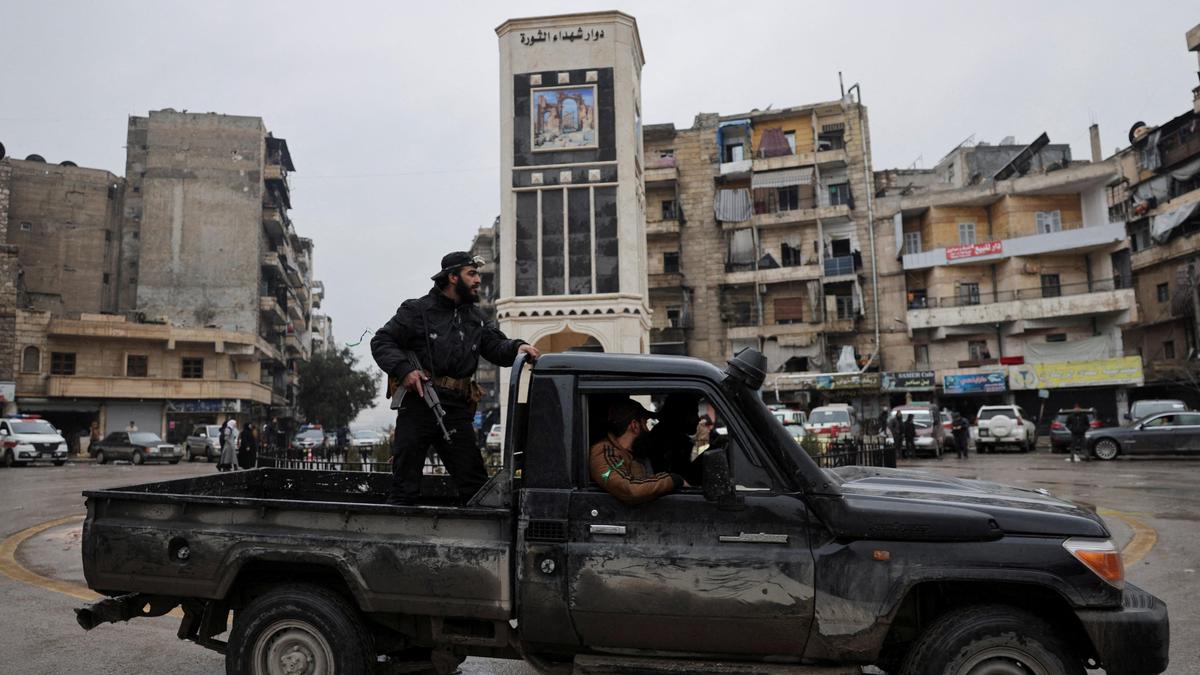
Tue Jan 13 15:32:52 UTC 2026: ### Headline: Syrian Army Declares Military Zone East of Aleppo, Escalating Tensions with SDF
The Story:
On January 13, 2026, the Syrian army declared an area east of Aleppo a “closed military zone,” signaling a potential escalation in the ongoing conflict with the Kurdish-led Syrian Democratic Forces (SDF). This declaration follows days of clashes in Aleppo that displaced tens of thousands and concluded with the withdrawal of Kurdish fighters from Sheikh Maqsoud. Syrian officials accuse the SDF of reinforcing their positions near Maskana and Deir Hafer, allegations the SDF denies, while the SDF claims Syrian forces have initiated shelling of Deir Hafer.
The army’s move is purportedly due to the SDF’s “continued mobilization” and the use of the area as a launchpad for Iranian suicide drones targeting Aleppo, referencing a recent drone strike on the Aleppo governorate building on January 10, 2026. The army demands the SDF withdraw east of the Euphrates River. These tensions arise amidst stalled political negotiations between Damascus and the SDF regarding the implementation of a March 2025 agreement to integrate the SDF into the Syrian army.
Key Points:
- Syrian army declared area east of Aleppo a “closed military zone” on January 13, 2026.
- This follows recent clashes and the withdrawal of SDF fighters from Sheikh Maqsoud.
- Syrian officials accuse SDF of mobilizing forces near Maskana and Deir Hafer.
- SDF denies mobilization and accuses Syrian forces of shelling Deir Hafer.
- The declaration cites SDF mobilization and use of the area for Iranian suicide drone attacks.
- Tensions occur amid an impasse in political negotiations regarding the March 2025 agreement for SDF integration into the Syrian army.
- The Syrian army statement demands the SDF withdraw to the area east of the Euphrates River.
Critical Analysis:
The declaration of a military zone indicates a breakdown in the already fragile political process between Damascus and the SDF. The accusation of Iranian drone launches originating from SDF-controlled territory adds a layer of complexity, potentially inviting further external involvement. The postponed interview with President al-Sharaa suggests a possible disruption or re-evaluation of the government’s public communication strategy regarding the situation. The reported close ties between the U.S. administration under Trump with both the al-Sharaa government and the SDF presents a convoluted situation.
Key Takeaways:
- The Syrian conflict is far from resolved, with renewed tensions flaring between the Syrian government and the SDF.
- Accusations of Iranian involvement complicate the geopolitical landscape.
- The future of the March 2025 agreement is uncertain, placing the potential integration of SDF into the Syrian army in jeopardy.
- External actors, including the U.S. and Turkey, continue to play significant roles in shaping the conflict’s trajectory.
- The declaration of a military zone is a clear signal of escalating tensions and the potential for further conflict.
Impact Analysis:
The declaration of a closed military zone east of Aleppo has significant long-term implications. A return to full-scale conflict between the Syrian army and the SDF would likely lead to further displacement of civilians and deepen the humanitarian crisis. It could also undermine ongoing efforts to combat the remnants of the Islamic State group, as the SDF has been a key partner in this fight. Moreover, the involvement of Iranian drones introduces a new dimension to the conflict, raising concerns about regional stability and the potential for further escalation. The failure to implement the March 2025 agreement could also lead to the permanent fragmentation of Syria, with long-term consequences for the region. The area becoming a closed military zone could cause supply chain disruptions in trade between the neighboring countries of Syria.
 First Piper