
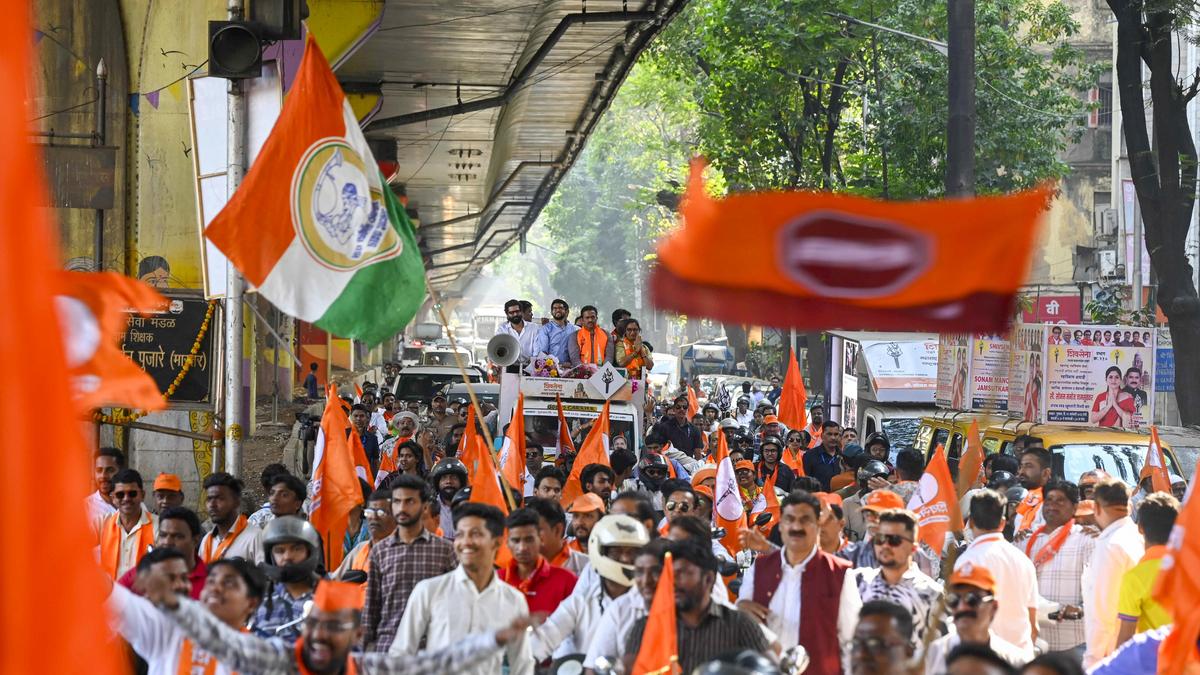
Wed Jan 14 12:10:24 UTC 2026: ### Maharashtra Civic Polls See Parties Scramble for Alliances as Stakes Rise
The Story:
Maharashtra is bracing for the second phase of crucial civic polls scheduled for January 15, 2026, across 29 municipal corporations. With administrators running these corporations for the past three years, the stakes are high for the six major parties: BJP, two Shiv Senas, two NCPs, and Congress. These parties have formed various alliances tailored to local strengths, leading to complex and sometimes conflicting combinations. The first round of polls in December 2025 saw parties largely sticking to their Mahayuti or MVA coalitions after “friendly fights,” but the current landscape is far more fragmented. Results are expected on January 16, 2026.
In a significant development, Uddhav Thackeray has allied with his cousin Raj Thackeray’s MNS for the Mumbai civic body elections after a 20 year feud. The BJP and Shinde’s Shiv Sena look to defend their seats in the municipal corporations.
Key Points:
- Six major parties (BJP, two Shiv Senas, two NCPs, Congress) are vying for control of 29 municipal corporations.
- The first phase of elections in December 2025 saw Mahayuti win 207 of 288 municipal councils and nagar panchayats.
- Ahead of the vote, 68 Mahayuti candidates have already won ‘unopposed’.
- In Mumbai (BMC), BJP allies with Shinde’s Shiv Sena against the Uddhav Thackeray-Raj Thackeray-NCP-SP alliance.
- Congress has allied with Prakash Ambedkar’s VBA in Mumbai, while Ajit Pawar’s NCP contests independently.
- Uddhav and Raj Thackeray are reuniting after 20 years for a joint bid in the BMC elections.
- The Pawar clan is putting up a united front to regain ground in Pune and Pimpri-Chinchwad.
- Post-poll alliances are already shifting, with BJP councillors in Ambarnath allying with Congress and Ajit Pawar’s NCP, and in Akot initially joining hands with AIMIM.
Critical Analysis:
The fractured alliances and post-poll realignments indicate a deep struggle for political dominance in Maharashtra. The BJP’s strategy appears to be maximizing its gains by leveraging local strengths and exploiting divisions within other parties. The Thackeray cousins reuniting signifies a desperate attempt to retain their traditional stronghold in Mumbai’s BMC, highlighting the importance of local dynamics in these elections. The fluidity of post-poll alliances shows a willingness to cross ideological lines to secure power, underscoring the pragmatic nature of politics in the state.
Key Takeaways:
- Maharashtra’s political landscape is highly fluid, with alliances shifting based on local considerations.
- The upcoming civic polls are crucial for all major parties, as they seek to establish dominance at the local level.
- The reunification of the Thackeray cousins signals a significant shift in Mumbai’s political dynamics.
- Post-poll alliances demonstrate the willingness of parties to compromise on ideology for power.
- The BJP is aggressively pursuing a strategy of maximizing gains by leveraging local partnerships and exploiting divisions among opponents.
Impact Analysis:
The results of these civic polls will likely have a significant impact on the future of Maharashtra politics. If the BJP performs strongly, it could pave the way for a solo bid in the 2029 Assembly elections. The performance of the Thackeray alliance will determine whether the Shiv Sena (UBT) can retain its influence in Mumbai and whether Raj Thackeray’s MNS can regain its footing. A strong showing by the NCP factions could lead to a potential merger and strengthen the Pawar family’s political standing. Ultimately, these polls will shape the balance of power and influence the trajectory of political alliances in Maharashtra for years to come.
 First Piper