
Tue Jan 13 22:21:12 UTC 2026: ### Iran Intensifies Use of Coerced Confessions Amidst Protests, Raising International Concerns
The Story:
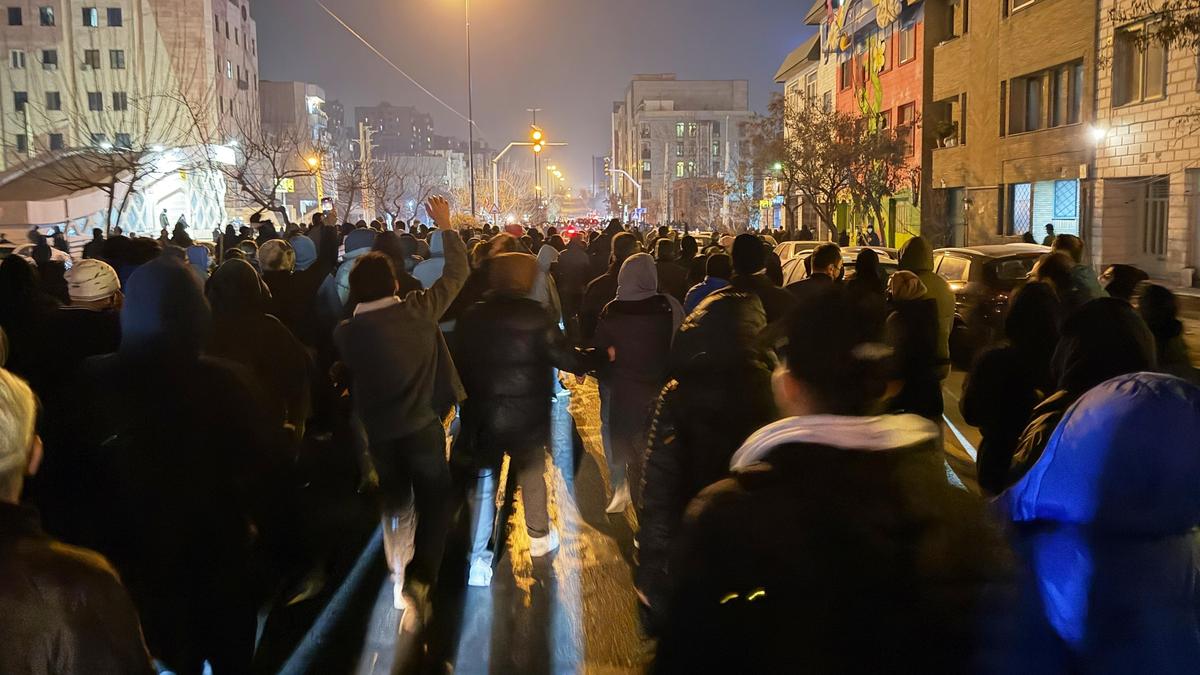
Iranian state media is aggressively broadcasting televised confessions from individuals arrested during recent anti-government protests, sparking condemnation from human rights organizations. At least 97 confessions have been aired since December 28, 2025, a sharp increase compared to previous years. These videos, often featuring forced confessions obtained through psychological or physical torture, aim to portray the protests as foreign-backed riots orchestrated by the United States and Israel. International bodies and activists express grave concern over the fairness of trials, access to legal representation, and the potential for these confessions to lead to executions.
Key Points:
- Iranian state media has aired at least 97 confessions from protesters since December 28, 2025.
- Human Rights Activists News Agency alleges that confessions are often obtained through torture.
- Iranian officials claim the protests are “riots” orchestrated by the United States and Israel.
- From 2010 to 2020, there were around 350 forced confessions broadcast, indicating a recent surge.
- More than 500 people were killed and over 22,000 detained during the last major protests in 2022 over the death of Mahsa Amini.
- In 2024, Iran executed 975 people, the highest number since 2015.
- Since the protests began on December 28, 16,700 people have been arrested and more than 2,000 have been killed.
Critical Analysis:
The surge in televised confessions coincides with heightened tensions between Iran and the international community, particularly the United States and Israel. Trump’s statements of potential “very strong action” and concerns over the death toll indicate external pressure on Iran to manage the protests. The Iranian government’s strategy of using coerced confessions and blaming foreign powers appears to be an attempt to discredit the protest movement, rally domestic support, and deflect international criticism. Furthermore, the execution of a man accused of spying for Israel’s Mossad agency last week highlights the ongoing tensions and mutual distrust between the two nations, influencing the narrative presented within the confessions.
Key Takeaways:
- Iran is using televised confessions as a tool to suppress dissent and control the narrative surrounding the protests.
- Human rights organizations fear a rise in executions based on coerced confessions.
- International pressure from the United States and other entities appears to be intensifying.
- The situation is exacerbated by existing tensions between Iran, the United States, and Israel.
- Independent verification of events within Iran remains challenging due to restricted access and internet blackouts.
Impact Analysis:
The intensified use of coerced confessions is likely to further isolate Iran on the international stage. Condemnations from human rights organizations and potential sanctions from Western governments could follow. Domestically, the crackdown may temporarily suppress protests, but the underlying grievances and discontent are likely to persist, potentially leading to further instability. The long-term impact will depend on the international community’s response and the Iranian government’s willingness to address the root causes of the protests.
 First Piper