
Wed Jan 14 15:05:29 UTC 2026: ### Headline: Declining Enrollment Threatens School Bus Service for Students at Parambikulam Dam
The Story:
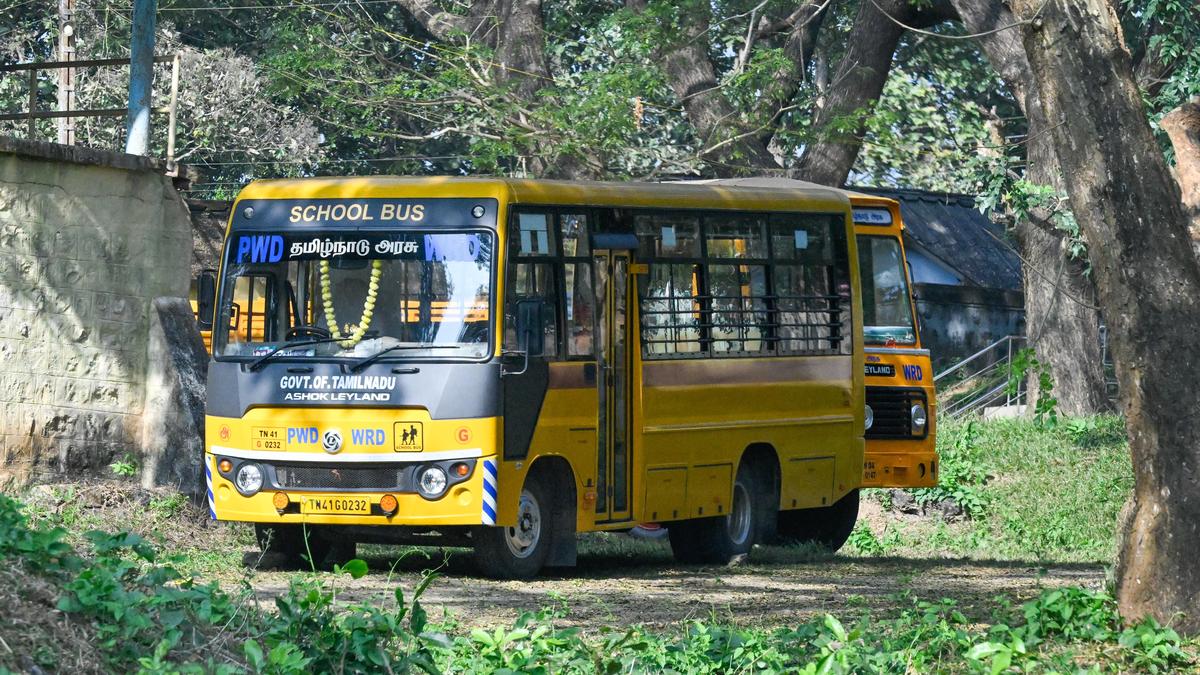
A dedicated bus service operated by the Water Resource Department (WRD) is currently transporting only 10 students residing at the Parambikulam Dam site to schools in the plains. The service caters to students pursuing education beyond the primary level and involves a daily two-hour commute in each direction. Department officials note a decline in student ridership from 18 in recent years. The future of this service is uncertain as enrollment continues to fall.
Key Points:
- The WRD operates a bus for students living at the Parambikulam Dam site to attend schools in nearby towns.
- Currently, 10 students use the service. Four attend the Government Higher Secondary School at Vettaikaranpudur, and six attend the Government Higher Secondary School, Anamalai.
- Students travel for two hours each way, starting at 6:30 a.m. and returning at 5:00 p.m.
- Student numbers have decreased from 18 in recent years.
- The decline is attributed to fewer WRD staff residing at the dam site due to unfilled retirement vacancies and tribal children now attending boarding schools in Kerala.
Critical Analysis:
N/A
Key Takeaways:
- A rural educational transport service faces potential discontinuation due to declining enrollment.
- The shrinking WRD workforce, linked to unfilled retirement vacancies, is a contributing factor to the enrollment decline.
- Changing educational preferences among the local tribal community, with more children attending boarding schools, also contribute to the issue.
Impact Analysis:
The potential loss of the bus service would disproportionately affect the remaining students reliant on it, potentially hindering their access to secondary education. The situation highlights the broader challenges faced by isolated communities in maintaining essential services as populations shift and government staffing levels change. This event serves as a microcosm of the difficulties faced by aging infrastructure and rural communities in India, where population shifts and bureaucratic inertia can erode vital services.
 First Piper