
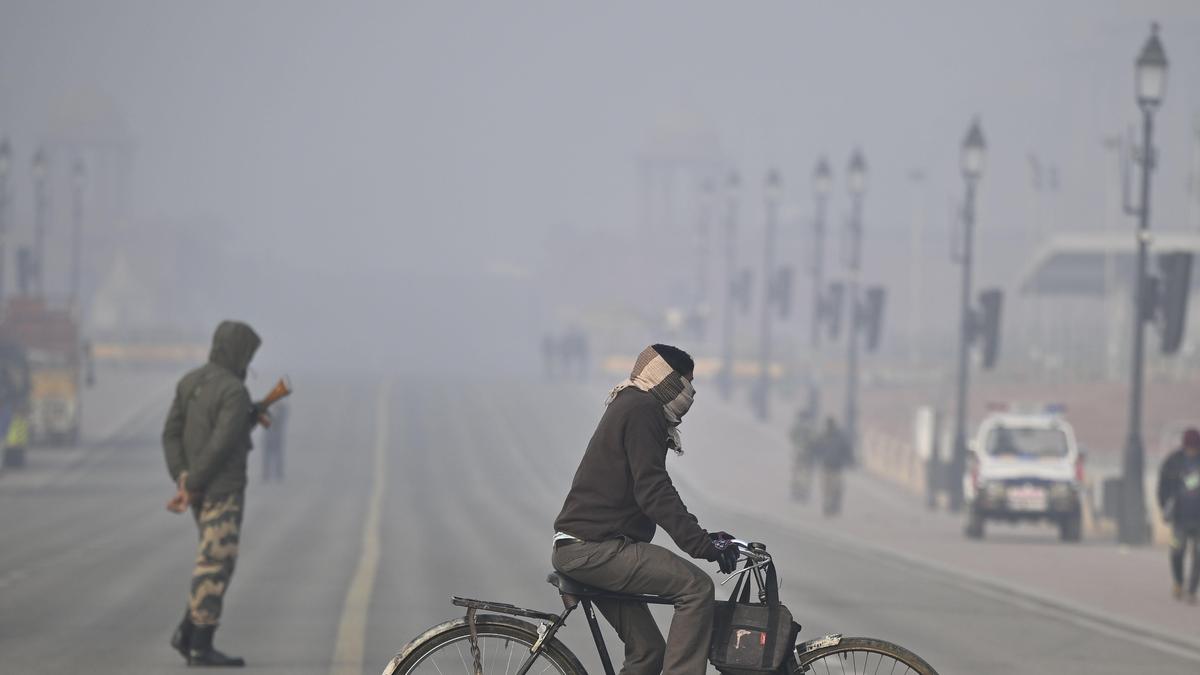
Wed Jan 14 03:33:20 UTC 2026: Headline: Delhi Chokes on “Very Poor” Air as Cold Wave Grips the City
The Story:
On Wednesday, January 14, 2026, Delhi’s air quality remained a major concern, with the overall Air Quality Index (AQI) reaching 357 at 7 a.m., categorized as ‘very poor’. This represents a deterioration from Tuesday, January 13, 2026, when the AQI was 337. Simultaneously, the city is experiencing an intense cold wave, with temperatures dropping to around 3-4 degrees Celsius. The combination of hazardous air quality and frigid temperatures is disrupting normal life and posing significant health risks.
Several areas, including Jahangirpuri (AQI 420) and RK Puram (AQI 407), reported ‘severe’ air quality levels. The India Meteorological Department (IMD) forecasts similar cold conditions to persist throughout the day, adding to the challenges faced by Delhi residents. Republic Day parade rehearsals are underway at Kartavya Path, potentially affecting air quality due to increased activity.
Key Points:
- Delhi’s overall AQI reached 357 on January 14, 2026, classified as ‘very poor’.
- Jahangirpuri recorded a ‘severe’ AQI of 420.
- Temperatures plummeted to 3-4 degrees Celsius, exacerbating the situation.
- The IMD forecasts continued cold wave conditions.
- Republic Day parade rehearsals are ongoing at Kartavya Path.
Critical Analysis:
The fact that the Delhi Government unveiled plans to earn revenue from emission cuts on January 13th, 2026, the day before this article was published, combined with the spike in AQI levels, suggests a potential lag between policy implementation and tangible results. The ongoing police activity related to gangs and violence (arrests at Turkman Gate, general gang arrests, probe into extortion/gang links) doesn’t have an obvious direct causal link to the air quality crisis, but it reveals a context of wider systemic challenges for Delhi governance.
Key Takeaways:
- Delhi’s air quality remains a persistent and critical issue, demanding urgent and effective interventions.
- The combination of air pollution and cold wave conditions poses significant health risks to the population.
- Policy interventions may require time to demonstrate a measurable impact on air quality.
- The broader context of crime and governance challenges could affect the effectiveness of environmental policies.
- Air pollution affects other major Indian cities as well.
Impact Analysis:
The consistently poor air quality in Delhi has long-term implications for public health, particularly respiratory illnesses and cardiovascular diseases. The economic impact includes increased healthcare costs, reduced productivity due to illness, and potential damage to tourism and other industries. The ongoing crisis could also fuel social unrest if the government is perceived as failing to address the issue effectively. Future impacts may include a decline in the quality of life, a migration of residents to less polluted areas, and increased pressure on healthcare infrastructure. The problem isn’t confined to Delhi as demonstrated by the air pollution indexes of the major cities listed. This suggests a broader issue for India.
 First Piper