
Wed Jan 14 15:29:24 UTC 2026: ### Headline: Ai Weiwei Exhibition Opens in India Amidst Complex Geopolitical Landscape
The Story:
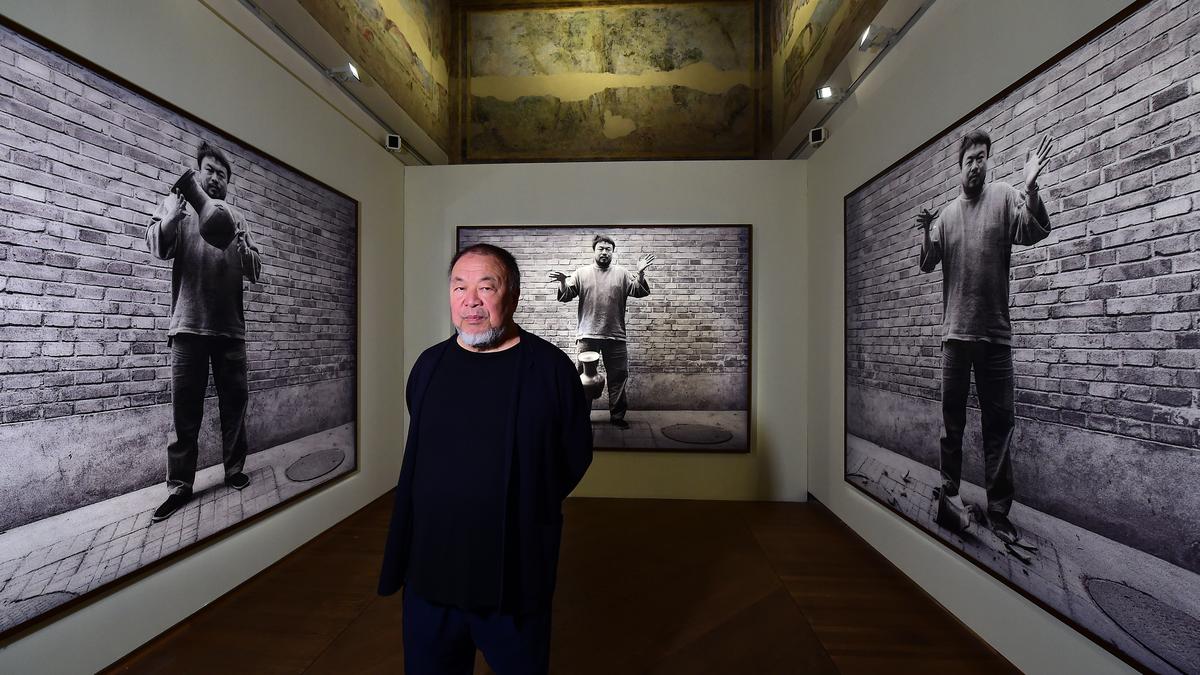
On January 14, 2026, a solo exhibition of works by Chinese artist-activist Ai Weiwei opened in Delhi, India, at the Nature Morte gallery. The exhibition, presented with Galleria Continua, features 15 works spanning three decades, addressing themes such as China’s cultural upheavals, global supply chains, and global crises. Ai Weiwei, known for his critical stance on state surveillance and power structures, expresses hope that his exhibition will inspire young artists and thinkers to reflect on the dialogue between humanity and nature. The opening coincides with ongoing political and economic interactions between India and China, as well as heightened global concerns around autocratic tendencies, digital control, and the collapse of spiritual life in an increasingly materialistic world.
Key Points:
- Ai Weiwei’s first solo exhibition in India opened on January 15, 2026, at the Nature Morte gallery in Delhi.
- The exhibition features 15 works covering nearly three decades of Ai Weiwei’s career.
- Themes explored include China’s upheavals, global supply chains, and the world’s crises.
- Ai Weiwei hopes the exhibition will inspire reflection on the relationship between humanity and nature.
- The exhibition is presented with Galleria Continua.
- Ai Weiwei touches on the parallels between India and China including a shared sense of cultural history, but also the risks of autocracy and materialism in both countries.
Critical Analysis:
The opening of Ai Weiwei’s exhibition in India occurs amid a backdrop of complex geopolitical and economic interactions between the two nations. The related news events highlight several factors:
- Economic Tensions: The Congress party targeting the Modi government over China’s trade surplus indicates ongoing economic competition and political pressure related to trade imbalances.
- Diplomatic Engagement: The Foreign Secretary’s meeting with a delegation from the Communist Party of China suggests a continued effort to maintain diplomatic channels despite existing tensions.
- Infrastructure Projects: The collapse of a crane at a China-backed rail project in Thailand introduces an element of risk and potential controversy surrounding China’s infrastructure investments in the region, which can have political repercussions.
Ai Weiwei, a vocal critic of authoritarian regimes, bringing his work to India at this time is noteworthy. His art directly confronts issues of power, surveillance, and the suppression of dissent, themes which resonate within the context of the India-China relationship and global concerns about eroding freedoms.
Key Takeaways:
- The Ai Weiwei exhibition serves as a platform for artistic expression that challenges authority and encourages self-reflection amidst a climate of increasing digital control and materialism.
- The timing of the exhibition underscores the complex interplay between cultural exchange and political realities in the relationship between India and China.
- Ai Weiwei’s commentary on the shared challenges faced by India and China, regarding autocracy and the “collapse of humanity’s spiritual life,” provides a critical perspective on contemporary global issues.
- Art continues to serve as a form of resistance and self-cultivation in the face of growing surveillance and technological control.
Impact Analysis:
Ai Weiwei’s exhibition is likely to have a significant cultural and potentially political impact:
- Cultural Dialogue: The exhibition promotes cultural exchange and dialogue between India and China, fostering a deeper understanding of shared histories and contemporary challenges.
- Political Awareness: By addressing themes of power, surveillance, and freedom of expression, the exhibition raises political awareness and encourages critical thinking among audiences in India.
- Artistic Inspiration: Ai Weiwei’s work may inspire other artists and thinkers to engage with socio-political issues and use art as a form of resistance.
- Geopolitical Implications: While primarily a cultural event, the exhibition could subtly influence public perception of China and the broader geopolitical landscape, particularly in the context of ongoing trade tensions and infrastructure projects. It’s also plausible that the artist, known to take strong stances against authoritarian regimes, could potentially offend certain factions and lead to further political scrutiny.
 First Piper