
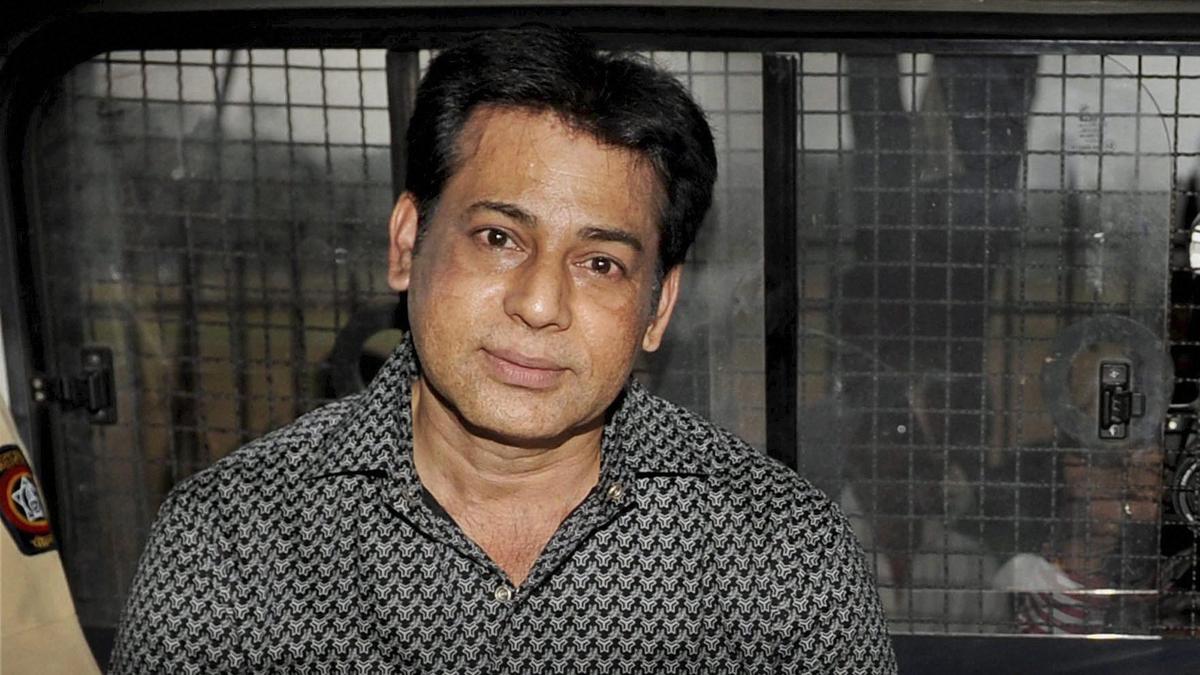
Wed Jan 14 06:04:40 UTC 2026: ### Headline: Maharashtra Government Restricts Parole for Gangster Abu Salem, Citing “International Criminal” Status
The Story:
The Maharashtra government informed the Bombay High Court on Tuesday, January 13, 2026, that gangster Abu Salem, convicted in the 1993 serial bomb blasts case, can only be granted a two-day emergency parole with a police escort. Salem had requested a 14-day parole to attend the last rites of his elder brother, who passed away in November 2025. The government argued that Salem is an “international criminal” and therefore, a longer parole period is not permissible. The court has directed the government to file an affidavit explaining their apprehension in granting the requested 14-day parole.
Key Points:
- Abu Salem, convicted in the 1993 Bombay bomb blasts, sought 14 days of parole.
- The Maharashtra government opposed the request, offering only a two-day parole with police escort, citing his status as an “international criminal.”
- Salem’s lawyer argued that two days is insufficient for travel to Azamgarh, Uttar Pradesh, and that a police escort is unnecessary given his two decades in jail.
- The Bombay High Court directed the government to file an affidavit explaining their objections to granting a longer parole.
- Salem previously applied for parole following his brother’s death in November 2025, but his plea was rejected.
Key Takeaways:
- The Maharashtra government views Abu Salem as a significant security risk, justifying stringent limitations on his parole.
- The judiciary is scrutinizing the government’s stance, requiring justification for the restrictions on parole.
- The case highlights the ongoing legal battles and complexities involved in managing the parole of high-profile criminals convicted of serious offenses.
- The reference to Salem’s “international criminal” status suggests concerns beyond local law enforcement.
 First Piper