
Wed Jan 14 02:00:00 UTC 2026: ### Headline: Britain’s Parliament Confronted with Torture Allegations in Madras Presidency, 1856
The Story:
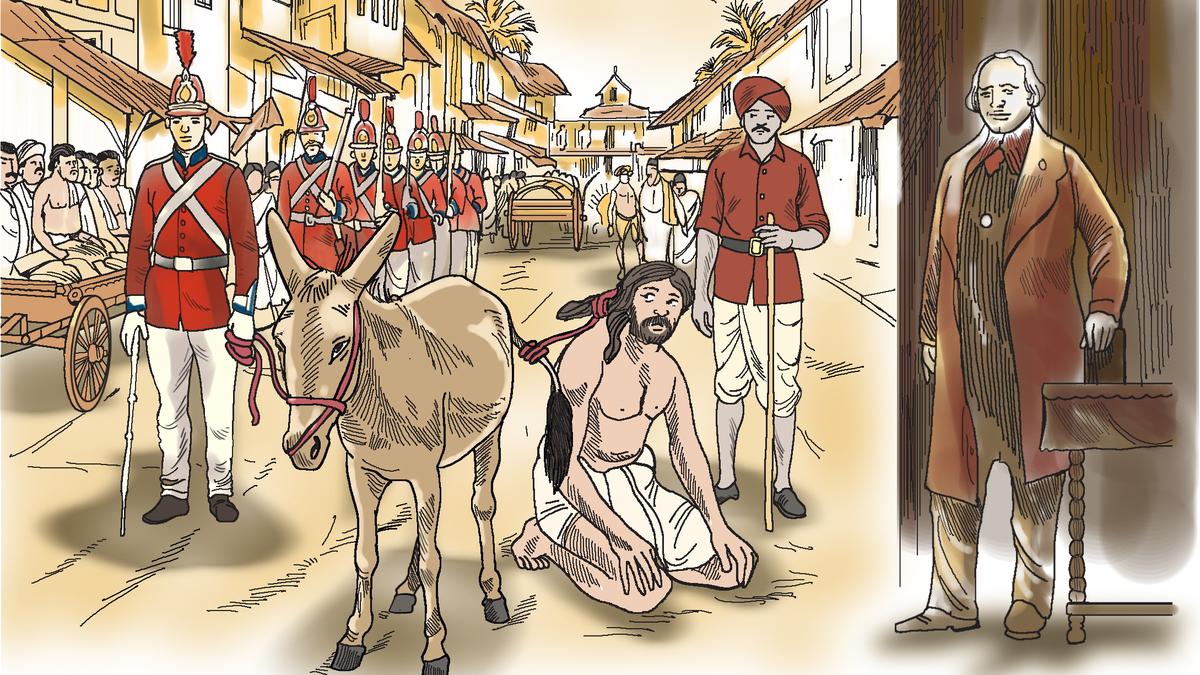
A news article published on January 14, 2026, revisits a historical event from April 4, 1856, where George Thomas Keppel, the Earl of Albemarle, raised concerns in the British Parliament regarding the alleged torture of inhabitants in the Madras Presidency, a British colony. Keppel presented a petition detailing inhumane punishments inflicted by government officers, including physical abuse, deprivation, and culturally insensitive practices. The discussion highlighted the inadequacy of the Commission’s report on the matter and questioned the British authorities’ awareness of the pervasive torture.
Key Points:
- On April 4, 1856, George Thomas Keppel presented a petition in the British Parliament regarding torture in the Madras Presidency.
- The petition outlined various forms of torture, including physical abuse, deprivation of necessities, and culturally offensive punishments.
- Keppel emphasized that the Commission’s report on the torture was incomplete due to time constraints and limited reach within the vast territory.
- Parliamentary members, including the Duke of Argyll, recalled previous denials of such torture, leading to the initial inquiry.
- The article highlights discrepancies between the British authorities’ claims of ignorance and existing documents within the India House that allegedly indicated prior knowledge of the torture.
Key Takeaways:
- The article serves as a historical reminder of human rights abuses during British colonial rule in India.
- It reveals the challenges in uncovering and addressing such abuses within a vast colonial territory with limited communication.
- The parliamentary discussion underscores the complex dynamics between awareness, denial, and accountability within the British administration concerning its colonies.
- The event illustrates the role of individuals like the Earl of Albemarle in bringing human rights concerns to the forefront of political discourse.
Impact Analysis:
The revelation of torture in the Madras Presidency had several long-term implications:
- Reforms and Scrutiny: The parliamentary debate led to increased scrutiny of the East India Company’s administration and potentially influenced reforms aimed at reducing abuses. However, the article questions the effectiveness and speed of these reforms.
- Public Opinion: The reports of torture likely contributed to growing anti-colonial sentiment in India and fueled calls for self-governance.
- Historical Reckoning: By resurfacing this event, the 2026 news article prompts a renewed examination of British colonial history and its impact on human rights. It forces a consideration of historical accountability and the legacy of colonial rule.
 First Piper