
Tue Jan 13 15:39:09 UTC 2026: ### Headline: WHO Urges Governments to Increase Taxes on Sugary Drinks and Alcohol to Combat Rising Health Crisis
The Story
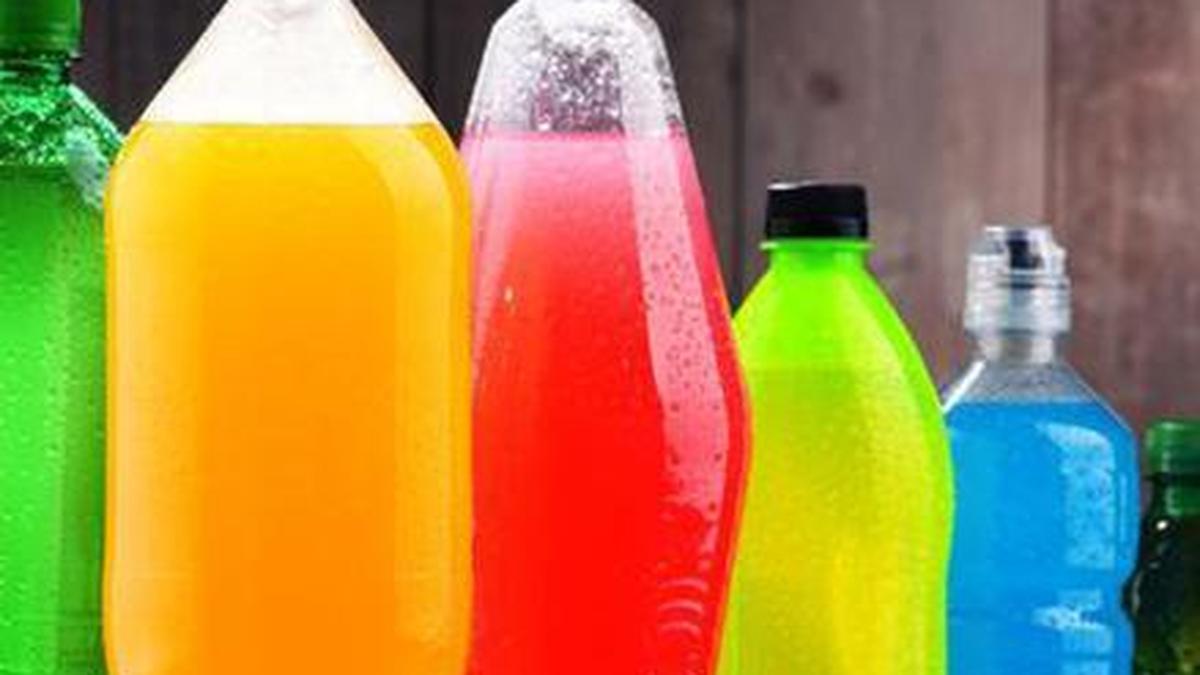
The World Health Organization (WHO) issued two new global reports on January 13, 2026, warning that consistently low tax rates on sugary drinks and alcoholic beverages worldwide are fueling a global health crisis, particularly among children and young adults. The WHO is calling on governments to significantly strengthen taxes on these products, arguing that current weak tax systems allow harmful products to remain cheap while health systems face mounting financial pressure from preventable noncommunicable diseases and injuries. The WHO’s Director-General, Tedros Adhanom Ghebreyesus, emphasized that health taxes are vital tools for promoting health, preventing disease, and unlocking funds for crucial health services.
Key Points
- The WHO released two new global reports on January 13, 2026, highlighting the link between low taxes on sugary drinks and alcohol and rising rates of obesity, diabetes, heart disease, cancers, and injuries.
- At least 116 countries tax sugary drinks, but many high-sugar products like fruit juices and sweetened milk drinks escape taxation.
- At least 167 countries tax alcoholic beverages, but alcohol has become more affordable or remained at the same price since 2022 due to taxes failing to keep pace with inflation and income growth.
- The WHO is calling on countries to raise and redesign taxes as part of its new 3 by 35 initiative, aiming to increase the real prices of tobacco, alcohol, and sugary drinks by 2035.
Key Takeaways
- The WHO views taxation as a critical tool for public health, particularly in addressing the burden of noncommunicable diseases linked to sugary drink and alcohol consumption.
- Current tax systems on sugary drinks and alcohol are inadequate in many countries, failing to keep pace with inflation and income growth, making these products increasingly affordable.
- The WHO’s 3 by 35 initiative indicates a long-term strategy to disincentivize the consumption of harmful products through increased taxation.
 First Piper