
Tue Jan 13 05:45:24 UTC 2026: # Iran’s Regime Under Severe Pressure Amidst Economic Protests and External Threats
The Story
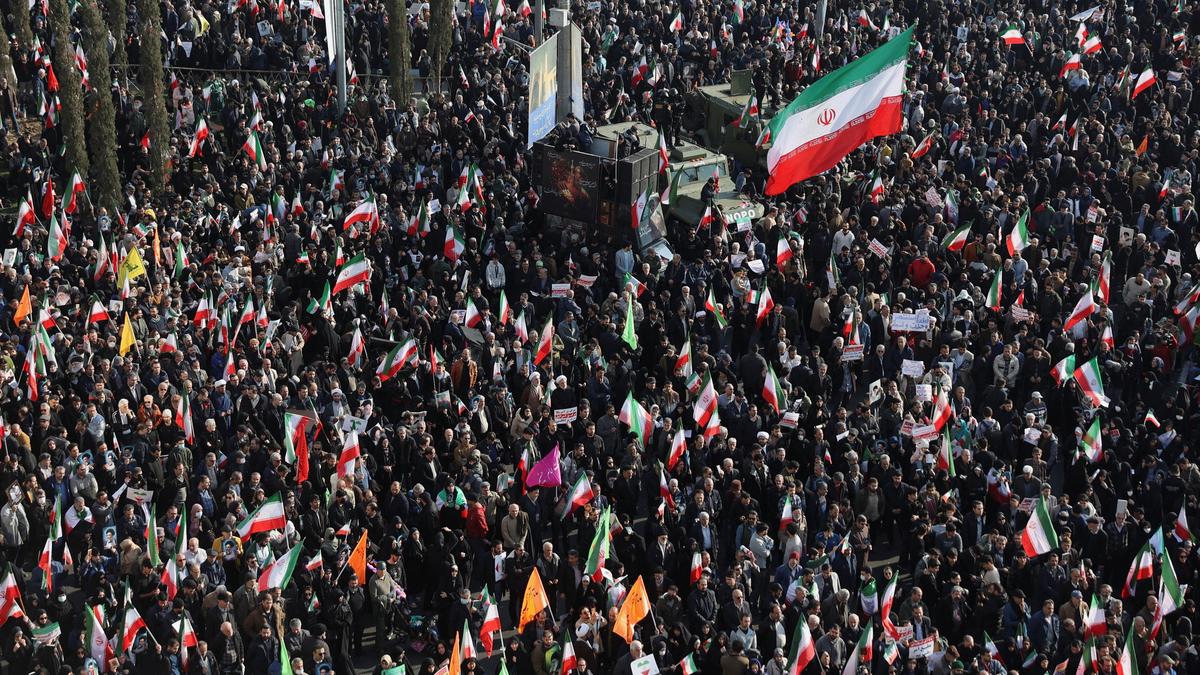
Iran is facing a multi-faceted crisis as widespread protests, triggered by economic hardship, have escalated and met with a bloody crackdown by the government. The unrest stems from hyperinflation, a plummeting currency, and power outages, exacerbated by tightened sanctions from the U.S. and Europe. The protests, unlike previous demonstrations focused on social issues, are driven by economic desperation. Compounding the internal strife, external actors like the U.S. and Israel are adding pressure, with the U.S. potentially considering military options and Israel amplifying anti-government sentiment. Pro-government rallies have also taken place, demonstrating the deep divisions within Iranian society.
Key Points
- Nationwide protests erupted in Iran due to economic woes, including hyperinflation and a falling currency.
- Western-based rights groups report hundreds dead following a government crackdown on Saturday, January 10, 2026.
- Europe reimposed snapback sanctions late last year.
- Food inflation reached 64% in October 2025, the second highest globally.
- The Iranian Rial has lost 60% of its value since the June 2025 war.
- Donald Trump stated the U.S. was “locked and loaded” if Iran harmed protesters.
- Mossad, Israel’s spy agency, amplified anti-government messages in Farsi.
- Pro-government rallies occurred in Tehran on January 13, 2026.
Critical Analysis
The situation in Iran is a convergence of long-standing internal vulnerabilities and external pressures. The economic sanctions, especially those reimposed by the U.S. after withdrawing from the 2015 nuclear deal, have severely hampered Iran’s economy. The June 2025 bombing by Israel and the US further destabilized the economic situation. The timing of the protests aligns with heightened external pressure and internal economic collapse, suggesting the regime’s ability to manage internal dissent is weakening. Donald Trump’s rhetoric and Israel’s active social media campaign aimed at inciting the public clearly point towards an attempt to amplify the already existing tensions.
Key Takeaways
- Iran’s economic crisis is the primary driver of the current unrest.
- The government’s violent crackdown is escalating the conflict and attracting international scrutiny.
- External actors, particularly the U.S. and Israel, are playing a significant role in exacerbating the situation.
- The Iranian regime faces an unprecedented simultaneous challenge of internal unrest and external threats.
- The situation is highly volatile and could lead to further escalation, both internally and externally.
Impact Analysis
The ongoing crisis has significant long-term implications for Iran and the broader region. The regime’s legitimacy is being challenged, and a prolonged period of instability could lead to a power vacuum. The reimposition of sanctions by Europe late last year has contributed to the crisis. A more unstable Iran could further embolden non-state actors, increase refugee flows, and potentially trigger a wider regional conflict. Depending on Trump’s chosen course of action, the international security landscape could shift significantly. The success or failure of these protests and the regime’s response will set a precedent for future internal conflicts in other authoritarian states facing economic pressures.
 First Piper