
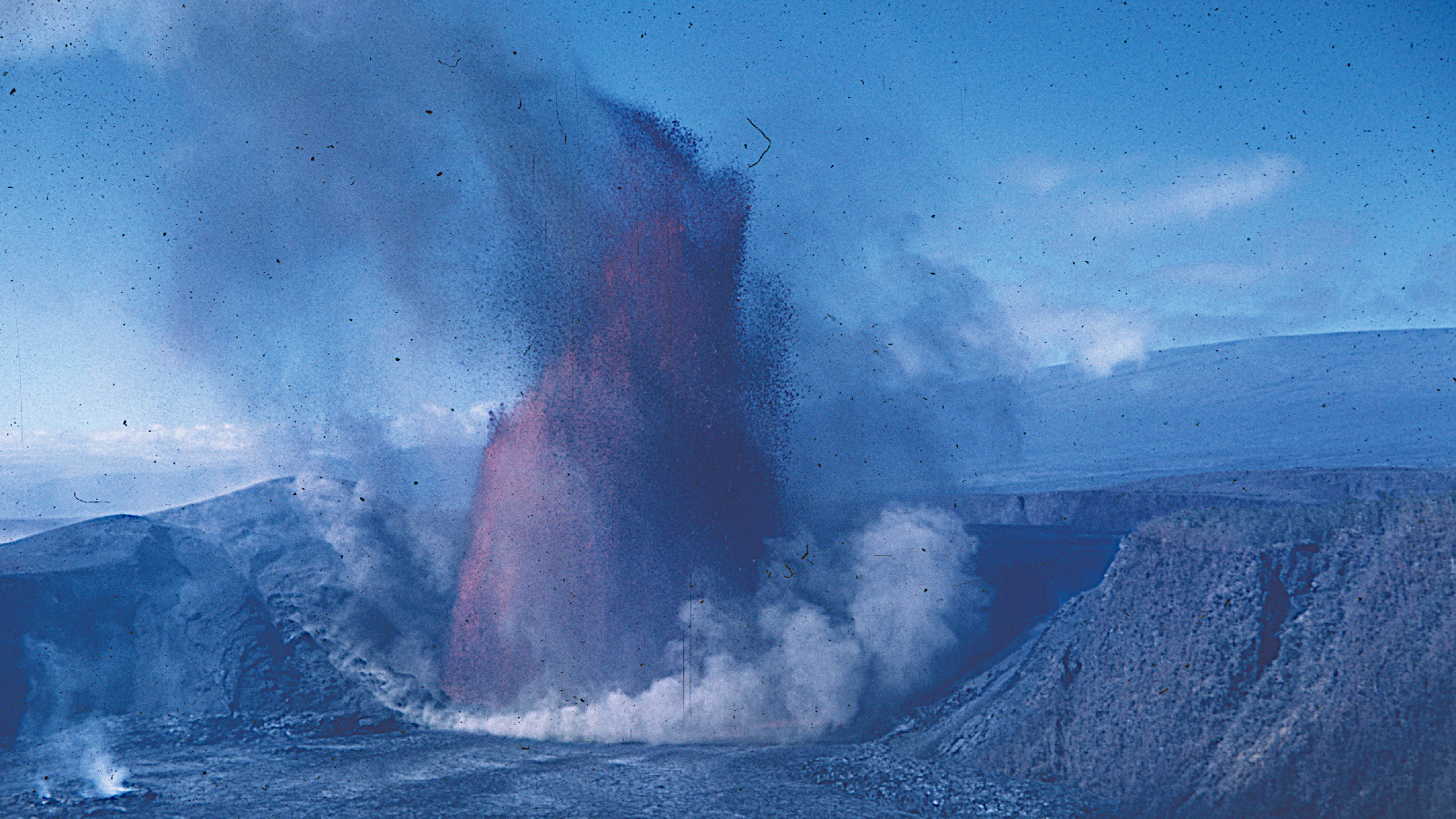
Tue Jan 13 16:40:00 UTC 2026: ### Kīlauea Eruption Mirrors 1959 Kīlauea Iki Event, Scientists Say
HAWAIʻI VOLCANOES NATIONAL PARK – Scientists are drawing parallels between the ongoing eruption at Halemaʻumaʻu and the historic 1959 eruption of Kīlauea Iki, noting similarities in lava fountaining patterns and volcanic activity. The USGS Hawaiian Volcano Observatory is closely monitoring the current eruption, with expectations of high lava fountains at the summit of Kīlauea as early as this weekend.
Geologist Katie Mulliken, in this week’s Volcano Watch article, highlighted the episodic lava fountaining, cone building, and drainback phenomena observed in both the 1959 Kīlauea Iki eruption and the ongoing Halemaʻumaʻu eruption. While the Halemaʻumaʻu eruption has surpassed Kīlauea Iki in longevity and erupted volume, it has not yet matched the record-breaking lava fountain heights seen in 1959.
Key Points
- Scientists are comparing the current Halemaʻumaʻu eruption to the 1959 Kīlauea Iki eruption due to similarities in lava fountaining.
- The 1959 eruption featured 17 episodes of lava fountaining, with fountains reaching up to 1,900 feet (580 meters).
- The current Halemaʻumaʻu eruption has produced lava fountains reaching a maximum of 1,575 feet (480 meters).
- The 1959 eruption produced 13.2 billion gallons (50 million cubic meters) of lava, while the current eruption has produced about 52.7 billion gallons (200 million cubic meters).
- The USGS Hawaiian Volcano Observatory is closely monitoring the ongoing eruption for any changes.
Key Takeaways
- The comparison of the current eruption to the 1959 Kīlauea Iki event provides valuable context for understanding the behavior and potential trajectory of the ongoing volcanic activity.
- While the current eruption has surpassed the 1959 eruption in volume and longevity, it has not yet reached the same heights in lava fountaining.
- Monitoring of the volcano is continuing, with no signs of significant change yet detected by the USGS.
Impact Analysis
The comparison between the current eruption and the 1959 Kīlauea Iki eruption has implications for risk assessment and hazard mitigation planning. Understanding the patterns and potential scale of future eruptions is crucial for protecting communities and infrastructure in the vicinity of Kīlauea. The long-term impact includes refining predictive models for volcanic activity and informing public safety strategies based on historical eruption data.
 First Piper