
Tue Jan 13 06:06:40 UTC 2026: ### Headline: Trump Imposes 25% Tariff on Countries Trading with Iran, Impacting India
The Story:
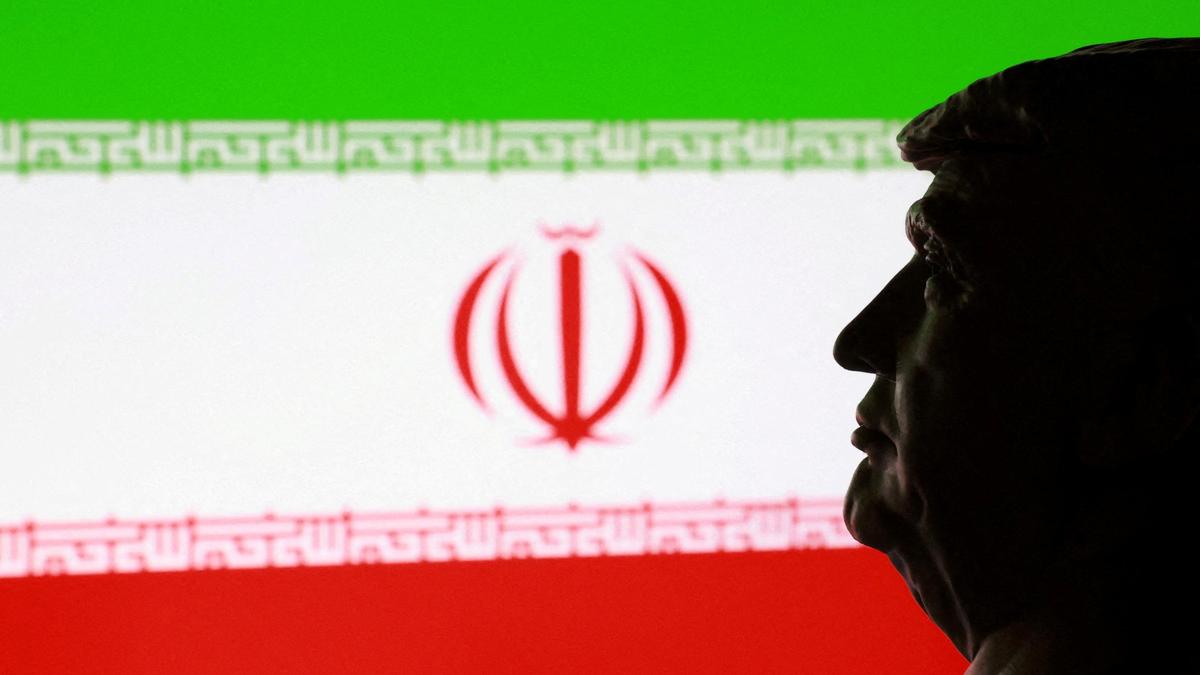
On January 13, 2026, U.S. President Donald Trump announced a 25% tariff on any country conducting business with Iran, citing the Iranian government’s crackdown on protestors. This move is a sharp escalation of trade policy and directly impacts India, which has a history of adjusting its trade relations with Iran in response to U.S. sanctions. While India’s overall trade scenario is not expected to face a major impact, some sectors, particularly rice, tea, essential oils, and fresh fruits, could experience temporary disruptions.
Key Points:
- President Trump announced a 25% tariff on countries trading with Iran.
- The tariff is a response to the Iranian government’s crackdown on protestors.
- India’s overall trade may not be significantly impacted, but certain sectors will be temporarily affected.
- In 2025-26 (up to November), Iran accounted for just 0.26% ($764.5 million) of India’s total exports.
- Basmati rice exports to Iran make up 13.1% of India’s total basmati rice exports.
- India has not imported crude oil from Iran since 2019-20.
Critical Analysis:
The context reveals that Trump has been actively challenging established institutions and norms. The opinion piece suggesting Trump is “dangerously wrong about Iran,” coupled with his actions against the Fed chair and the BBC, suggests a pattern of aggressive and potentially disruptive foreign policy. This supports the interpretation of the tariff as part of a broader strategy of exerting maximum pressure on Iran.
Key Takeaways:
- Trump’s unilateral trade policy is a significant risk factor for global trade.
- India’s trade diversification efforts are critical for mitigating the impact of such geopolitical shocks.
- Sectors reliant on Iranian trade, like basmati rice, face immediate uncertainty.
- The move continues a pattern of aggressive trade and foreign policy under Trump.
Impact Analysis:
The imposition of the 25% tariff signals a potentially extended period of heightened trade tensions between the U.S. and Iran, with ripple effects for countries like India. This could lead to:
- Short-term adjustments in India’s export strategy, requiring quick identification of alternative markets for affected products.
- Long-term pressure on India to align its foreign policy more closely with the U.S., potentially impacting its strategic autonomy.
- Increased risk for Indian businesses engaged in international trade, necessitating robust risk management strategies and diversification.
- Reinforced interest in exploring trade relationships and building of counterweights to unilateral actions through bodies like the BRICS.
 First Piper