
Mon Jan 12 17:15:42 UTC 2026: Headline: South Korea Balances Diplomatic Act with Japan and China Amidst Regional Tensions
The Story:
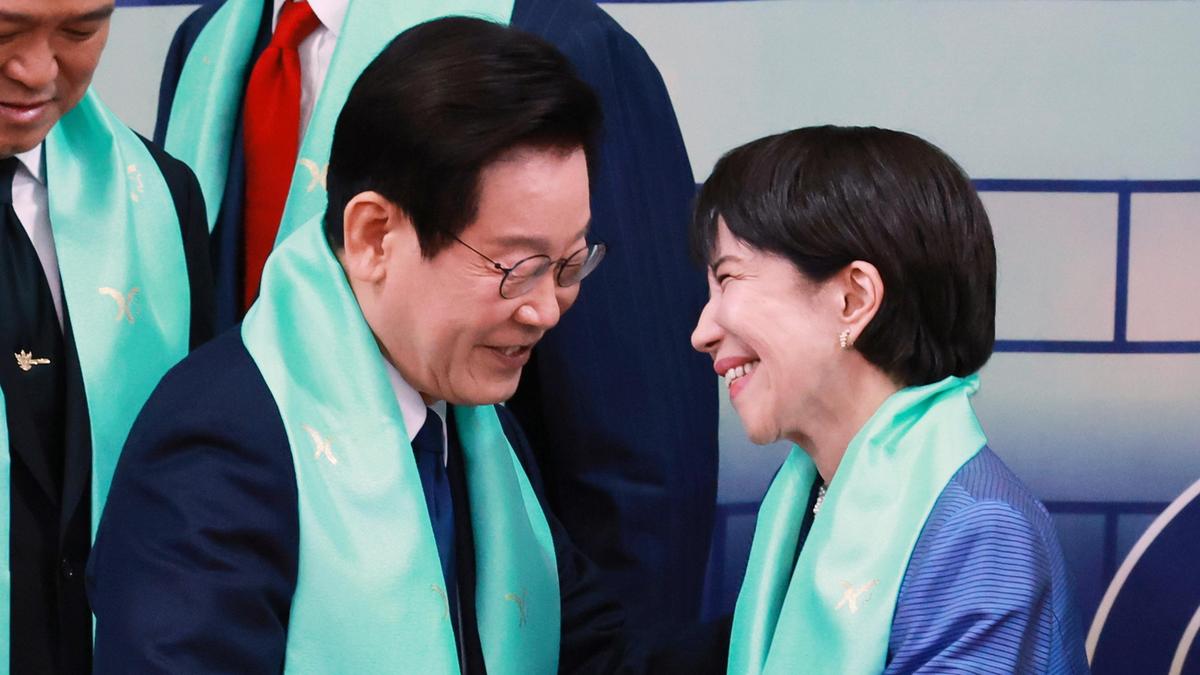
South Korean President Lee Jae Myung is holding a summit with Japanese Prime Minister Sanae Takaichi on January 13, 2026, in Nara City, Japan, following a recent meeting with Chinese President Xi Jinping. This “shuttle diplomacy” is aimed at balancing South Korea’s relationships with its two major neighbors amidst growing diplomatic disputes between Beijing and Tokyo, particularly concerning Taiwan. While South Korea seeks to avoid direct involvement in the China-Japan conflict, the summit will address regional cooperation, denuclearization of the Korean peninsula, and economic partnerships, particularly in AI and chip technology.
Key Points:
- President Lee Jae Myung is meeting with Prime Minister Sanae Takaichi in Nara City, Japan on January 13, 2026.
- The meeting follows President Lee’s summit with Chinese President Xi Jinping.
- The summit aims to balance South Korea’s relationships with China and Japan amidst tensions between the two.
- Japan seeks to bolster ties with South Korea in light of strained relations with China and perceived distance from the U.S. on Taiwan.
- Potential areas for agreement include cooperation in AI and chip technology, and easing travel for business executives.
- Historical tensions stemming from Japan’s colonization of Korea and the Fukushima seafood ban remain relevant but are currently less prominent.
- The leaders will likely discuss the denuclearization of the Korean Peninsula and the fate of Japanese nationals abducted by North Korea.
Critical Analysis:
The timing of the summit, immediately following President Lee’s meeting with Xi Jinping, is highly strategic. It demonstrates South Korea’s intention to maintain neutrality and avoid being perceived as leaning too heavily towards either China or Japan. Japan, facing increased pressure from China and potential divergence with the U.S. on Taiwan, seeks to strengthen its alliance with South Korea. This diplomatic maneuver reflects a broader geopolitical chess game in East Asia, with South Korea positioned as a crucial mediator. The focus on economic partnerships, particularly in emerging technologies like AI and chips, suggests an attempt to find common ground and build a more resilient relationship, despite historical and political challenges.
Key Takeaways:
- South Korea is actively pursuing a balanced foreign policy in the face of complex regional dynamics.
- The summit highlights the growing tensions between China and Japan, particularly over Taiwan.
- Economic cooperation in technology sectors like AI and chips offers a potential avenue for strengthening ties between South Korea and Japan.
- Historical grievances and sensitive issues like the Fukushima seafood ban continue to cast a shadow on the relationship but are being managed pragmatically.
- Japan views South Korea as a crucial partner in the current geopolitical environment.
Impact Analysis:
The success of this summit could significantly impact the stability and economic development of Northeast Asia. If South Korea and Japan can forge stronger economic ties, particularly in high-tech industries, it could reduce their dependence on other global players and foster greater regional innovation. A failure to address historical grievances or find common ground on security issues, however, could exacerbate existing tensions and hinder regional cooperation. South Korea’s role as a mediator between China and Japan will likely become increasingly important in the coming years, shaping the future geopolitical landscape of the region. The outcomes of agreements about Bitcoin ETFs also hold long term value.
 First Piper