
Tue Jan 13 01:21:42 UTC 2026: ### Headline: Trump Imposes Tariffs on Countries Trading with Iran, India and Germany Enhance Defence Cooperation
The Story:
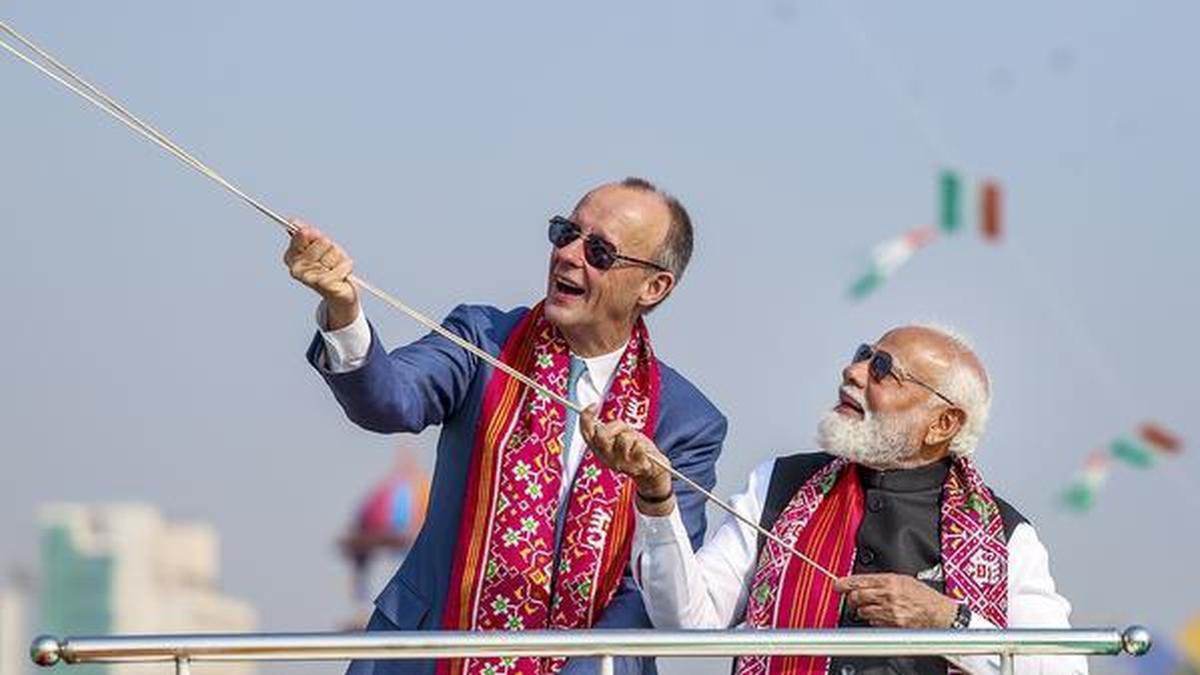
On January 12, 2026, U.S. President Donald Trump announced a 25% tariff on any country conducting business with Iran, citing Tehran’s crackdown on anti-government protests as the justification. This move aims to intensify economic pressure on Iran. Simultaneously, in India, Prime Minister Narendra Modi and German Chancellor Friedrich Merz formalized an agreement to bolster bilateral defence industrial cooperation, focusing on co-production and co-development initiatives. India also plans to establish a ‘consultation mechanism’ to enhance collaboration with Germany in the Indo-Pacific region.
Key Points:
- Donald Trump imposed a 25% tariff on countries engaging in business with Iran.
- The tariff is intended to pressure Iran over its handling of anti-government protests.
- Narendra Modi and Friedrich Merz signed an agreement to strengthen India-Germany defence cooperation.
- India and Germany will focus on co-production and co-development in the defence sector.
- India plans to launch a consultation mechanism for increased collaboration with Germany in the Indo-Pacific.
Critical Analysis:
The historical context indicates a pattern of the Trump administration using tariffs as a foreign policy tool, evidenced by the “Trump’s New Rule For The Road: My Way Or The Highway” opinion piece. In 2026, this tactic resurfaces, this time targeting Iran. Simultaneously, India’s strengthening defence ties with Germany suggests a strategic alignment, possibly as a countermeasure to the potential economic fallout from Trump’s tariffs, or a broader strategic move within the Indo-Pacific region.
Key Takeaways:
- Trump’s trade policies continue to be a significant factor in global geopolitics, employing tariffs as a tool to exert pressure.
- India is actively diversifying its strategic partnerships, as seen in its enhanced defence cooperation with Germany.
- Geopolitical tensions, particularly those involving Iran, are likely to have ripple effects on international trade and alliances.
- India’s increasing importance in the Indo-Pacific region is underscored by the establishment of consultation mechanisms with key partners like Germany.
Impact Analysis:
Trump’s tariff on countries trading with Iran could lead to significant disruptions in global trade, potentially harming economies that rely on Iranian trade. The tariffs may also further isolate Iran, potentially exacerbating regional instability. India and Germany’s enhanced defence cooperation could have long-term implications for regional security in the Indo-Pacific, shaping the balance of power and potentially influencing the dynamics of the Quad (United States, India, Japan, and Australia) and other regional alliances.
 First Piper