
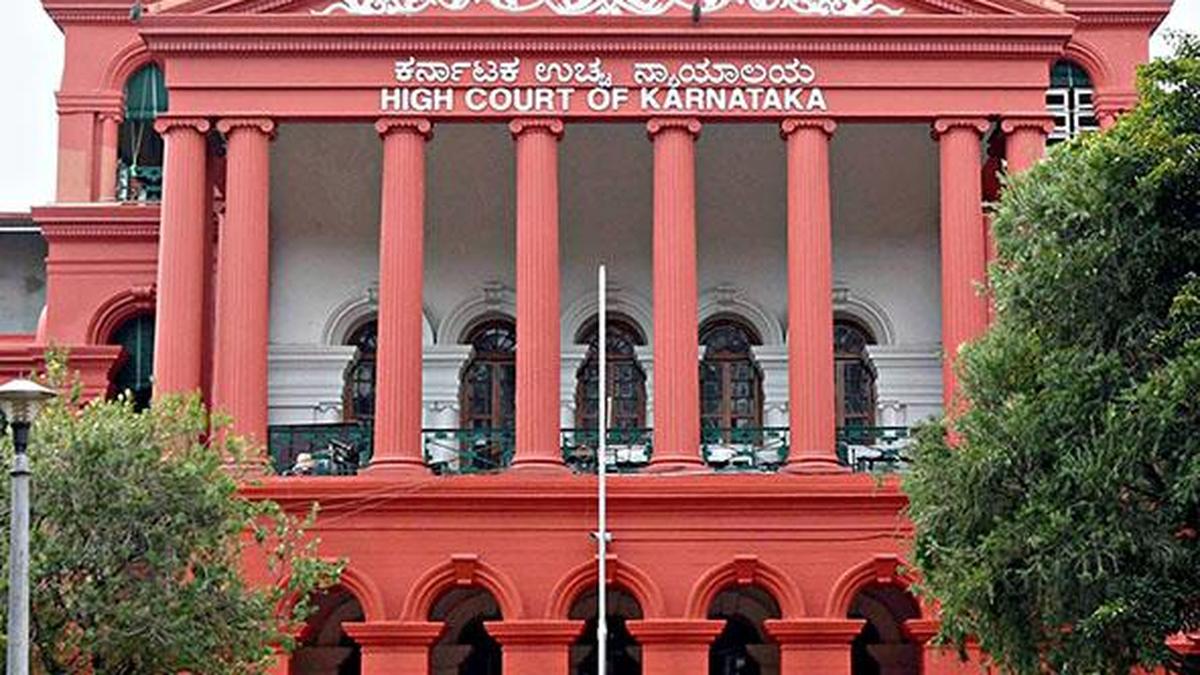
Tue Jan 13 14:43:33 UTC 2026: # Karnataka High Court Seeks Government Response on PIL Regarding Unnatural Deaths in Dharmasthala
The Story:
The High Court of Karnataka has requested a response from the State government regarding a Public Interest Litigation (PIL) petition concerning the alleged unnatural deaths of 74 individuals in Dharmasthala village between 1990 and 2021. The petition was filed by Kusumavathi, the mother of Soujanya, who was raped and murdered near Dharmasthala in 2012. The PIL seeks a direction to the Special Investigation Team (SIT) to register separate First Information Reports (FIRs) based on claims of procedural lapses in the investigation of these deaths.
Key Points:
- The PIL was filed by Kusumavathi, mother of rape and murder victim Soujanya.
- The petition concerns 74 alleged unnatural deaths in Dharmasthala between 1990 and 2021.
- Kusumavathi submitted a representation to the SIT on October 11, 2025, alleging procedural lapses in the Unnatural Death Reports (UDRs).
- The petition claims that bodies were buried within 24 hours of death in these instances, violating the Code of Criminal Procedure (Cr.P.C) and the Karnataka (Investigation of Unnatural Deaths and Conduct Inquests), Rules, 2004.
- The SIT was constituted by the State government in July 2025 to investigate alleged complaints of mass burials.
- A Division Bench comprising Chief Justice Vibhu Bakhru and Justice C.M. Poonacha passed the order.
Key Takeaways:
- The Karnataka High Court is taking seriously allegations of procedural irregularities in the handling of unnatural deaths in Dharmasthala.
- The case highlights potential flaws in the investigation of UDRs and the importance of following due process.
- The involvement of the SIT indicates the gravity and sensitivity of the case.
Impact Analysis:
This case could have significant implications for how unnatural deaths are investigated and reported in Karnataka, potentially leading to stricter adherence to legal procedures and greater transparency. If the SIT finds evidence of wrongdoing, it could lead to the re-opening of past cases and potential legal action against those responsible for the alleged procedural lapses. Moreover, this case could serve as a precedent for similar investigations in other regions with concerns about UDR handling. The increased scrutiny may lead to reforms in the process of issuing death certificates, conducting post-mortem examinations and other investigative aspects.
 First Piper