
Mon Jan 12 19:24:03 UTC 2026: Headline: Delhi CM Condemns “JNU-like” Sloganeering, Sparking Political Controversy
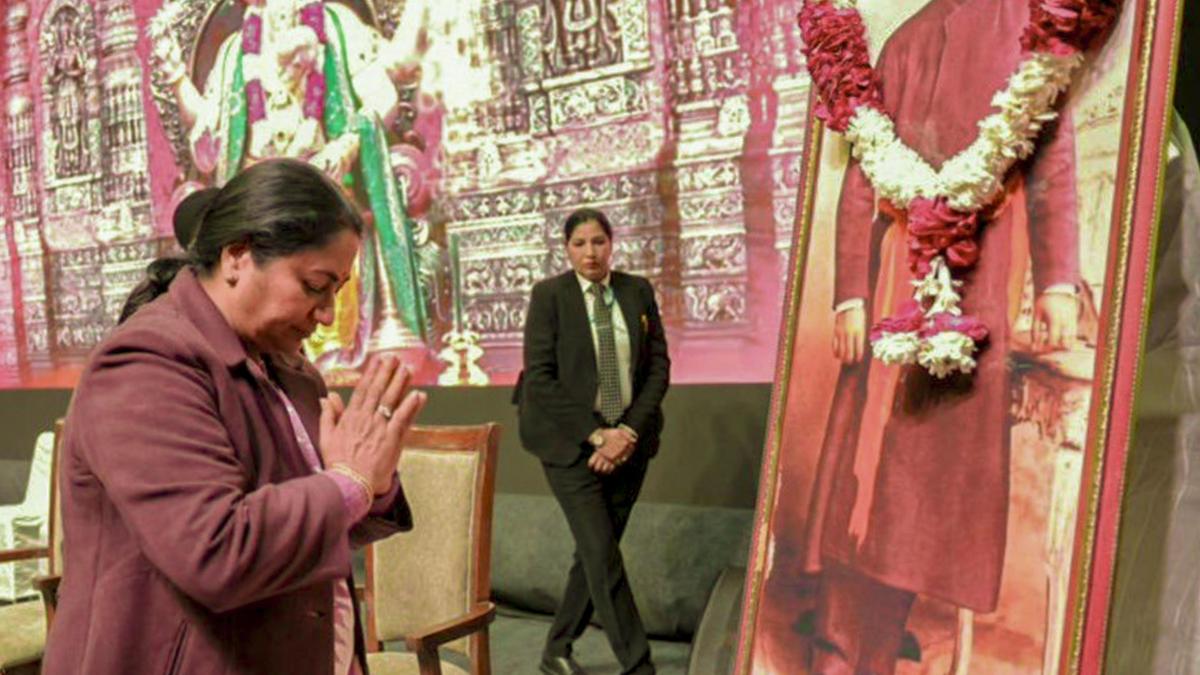
The Story: Delhi Chief Minister Rekha Gupta has publicly condemned recent sloganeering at Jawaharlal Nehru University (JNU) during a protest organized by the Jawaharlal Nehru University Students’ Union (JNUSU). The protest, held on January 5, 2026, commemorated the sixth anniversary of a violent attack on the campus and expressed solidarity with Umar Khalid and Sharjeel Imam, whose bail pleas related to the 2020 riots case were recently rejected. CM Gupta’s remarks, made at a National Youth Day event on Monday, January 12, 2026, ignited a political controversy, with the JNUSU claiming the condemnation is an attempt to deflect from the issues they were raising.
Key Points:
- The JNUSU organized a protest on January 5, 2026, marking six years since a violent attack on the JNU campus.
- The protest aimed to show solidarity with Umar Khalid and Sharjeel Imam, whose bail pleas were rejected.
- Slogans mentioned “digging the grave” of Prime Minister Narendra Modi and Home Minister Amit Shah.
- The university administration reported the sloganeering to the police.
- An FIR has been registered under Sections 352, 353(1), and 3(5) of the Bharatiya Nyaya Sanhita.
- Chief Minister Rekha Gupta called the incident “JNU-like” and said it “stunned” the country.
Critical Analysis:
The convergence of these events suggests a recurring pattern of student activism and government response. The anniversary of the 2020 riots case, coupled with the rejection of bail pleas for key figures, served as a catalyst for student protest. CM Gupta’s swift condemnation, echoing previous instances, indicates a continued sensitivity within the government towards any perceived anti-establishment sentiment, particularly stemming from JNU. The registration of an FIR further underscores the government’s intention to suppress such activities through legal measures.
Key Takeaways:
- Student activism, particularly at institutions like JNU, remains a focal point for political controversy in India.
- The government continues to react strongly to any perceived anti-establishment slogans or protests.
- The 2020 riots case remains a sensitive issue, fueling political polarization.
- The invocation of the Bharatiya Nyaya Sanhita suggests a stricter legal approach to managing dissent.
- The timing of the CM’s statement on National Youth Day adds a layer of significance, potentially aiming to influence public perception of youth engagement in political discourse.
Impact Analysis:
The implications of this event series are multifaceted. The FIR and potential legal repercussions for the students involved may have a chilling effect on future protests and activism. Public discourse surrounding dissent and freedom of expression is likely to intensify. The narrative framing of “JNU-like incidents” could lead to increased scrutiny and potential stigmatization of students from the university, hindering their future opportunities. Furthermore, this event reinforces the government’s stance on national security and could influence future policy decisions regarding student activism and freedom of speech.
 First Piper