
Tue Jan 13 00:01:09 UTC 2026: ### U.S., Iran Exchange Threats Amidst Deadly Protests and Economic Turmoil
The Story:
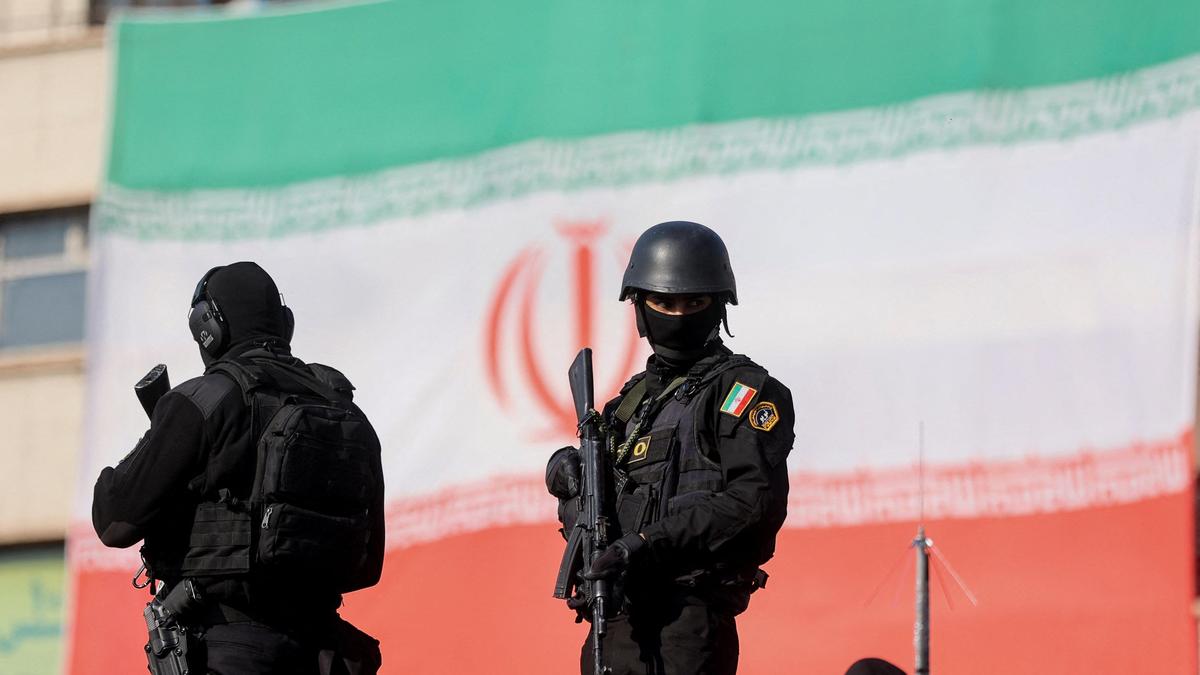
Tensions between the United States and Iran are escalating following widespread protests in Iran and the U.S.’s threat of military action. On January 13, 2026, the article reports that President Donald Trump claimed Iran desires negotiation after he threatened strikes over the government’s crackdown on protesters, which activists report has left at least 599 dead. While Iran acknowledges a channel for communication remains open, it demands that any talks must be “based on the acceptance of mutual interests.” Simultaneously, pro-government rallies were held in Tehran, and the Iranian government accuses the U.S. and Israel of instigating the violence.
The crisis is compounded by a failing Iranian economy, severely impacted by international sanctions. Protests initially sparked by the collapse of the Iranian rial have morphed into direct challenges against the theocratic regime. The Iranian government has largely shut down the internet and phone lines, making it difficult to independently verify information, but reports indicate a severe crackdown on protesters.
Key Points:
- President Trump stated Iran wants to negotiate despite his administration considering military responses to the crackdown on protesters.
- Iranian Foreign Minister Abbas Araghchi blamed the US and Israel for the violence, while stating Iran remains open to diplomacy.
- Pro-government rallies were held across Iran, showcasing support for the ruling theocracy.
- Reports indicate over 10,600 people have been detained, and at least 599 have died, although independent verification is difficult due to communication blackouts.
- Protests began due to the collapse of the Iranian rial and have evolved into challenges to the Iranian government.
- Trump announced a 25% tariff on any country doing business with Iran.
Critical Analysis:
The events of January 12-13, 2026, are unfolding rapidly, fueled by years of antagonism between the U.S. and Iran. Trump’s strategy appears to be maximum pressure through economic sanctions (as evidenced by the announcement of tariffs), coupled with direct threats of military action, intended to force Iran back to the negotiating table. The timing is crucial; widespread domestic unrest within Iran, triggered by economic hardship, makes the regime vulnerable. However, the crackdown on protesters and accusations against the U.S. and Israel suggest a strategy of deflection and a hardening of the regime’s stance, potentially making a negotiated resolution more difficult. The information blackout also hints at a strategy of information control to suppress dissent and manage international perceptions.
Key Takeaways:
- The situation is highly volatile, with potential for further escalation and miscalculation.
- The economic pressure exerted by the U.S. is exacerbating internal unrest in Iran.
- Both sides are engaging in strong rhetoric, making de-escalation challenging.
- The internet blackout in Iran is raising concerns about human rights abuses and the potential for a wider crackdown.
Impact Analysis:
The escalating tensions between the U.S. and Iran have significant long-term implications. Firstly, the failure of diplomatic efforts could lead to military conflict, destabilizing the region and triggering a wider international crisis. Secondly, the severe economic sanctions and internal unrest could reshape the political landscape of Iran, potentially leading to regime change or further radicalization. Thirdly, the international community faces a complex dilemma of balancing human rights concerns with the need to prevent further escalation and maintain regional stability. The long-term effects will depend on whether a diplomatic solution can be found or if the current trajectory continues towards military confrontation.
 First Piper