
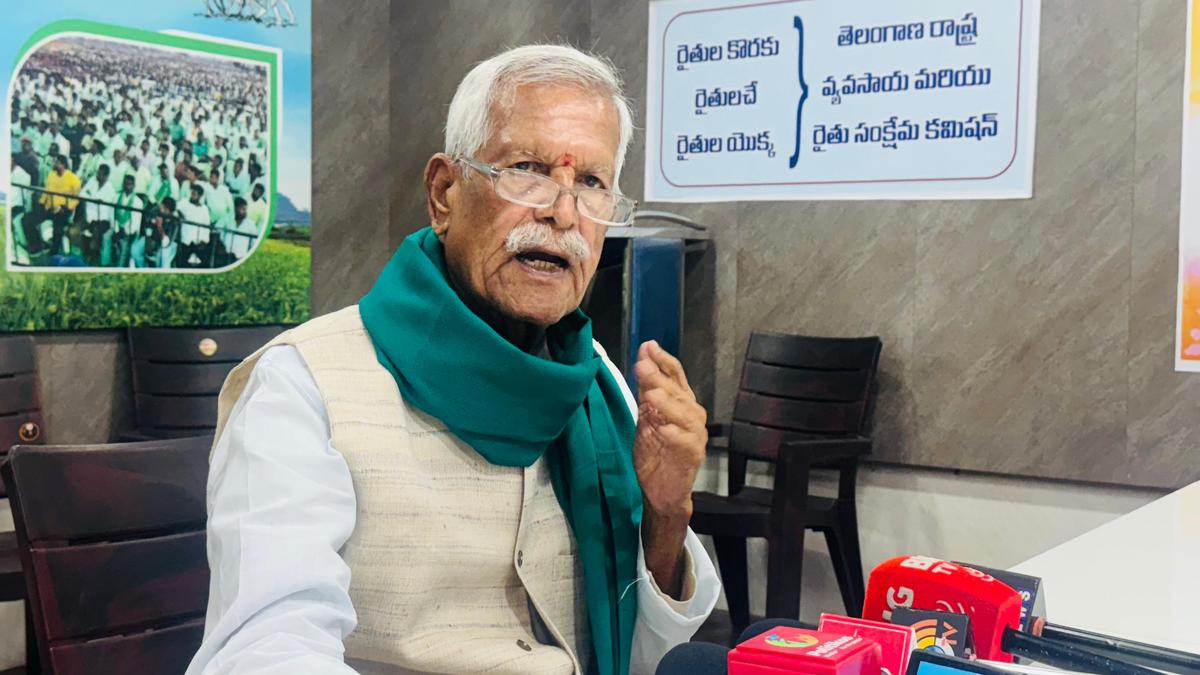
Tue Jan 13 15:36:29 UTC 2026: ### Headline: Rythu Commission Warns Farmers Against Banned HTBT Cotton Seeds and Glyphosate Use
The Story:
On January 13, 2026, M. Kodanda Reddy, Chairman of the Rythu Commission, issued a strong warning to farmers in India regarding the use of banned Herbicide Tolerant Bt (HTBT) cotton seeds and the excessive application of glyphosate-based weed killers. He emphasized the severe risks these practices pose to agriculture, soil health, and human safety. Reddy highlighted that multinational corporations are attempting to push these banned seeds, particularly in regions like Gadwal and parts of Mahabubnagar district. He also raised concerns about global seed companies bypassing local scrutiny by obtaining certifications abroad and then attempting to supply seeds to Indian farmers.
Key Points:
- M. Kodanda Reddy, Chairman of the Rythu Commission, cautioned against the use of banned HTBT cotton seeds and excessive glyphosate.
- HTBT cotton seeds are designed to withstand glyphosate weedicide, both banned by the Central government of India.
- Regions such as Gadwal and parts of Mahabubnagar district are witnessing attempts to push HTBT cotton seeds.
- Excessive spraying of glyphosate makes the soil toxic, endangering long-term soil fertility.
- Global seed companies, particularly those based in the United States, are allegedly attempting to supply seeds without adequate local scrutiny.
- Multinational corporations had earlier attempted to aggressively market genetically modified (GM) seeds in India in 2006 but were opposed by the farmers organisations.
Critical Analysis:
The warning issued by the Rythu Commission Chairman is occurring against a backdrop of reported seed availability issues (T.N. State Planning Commission study flags seed availability, timing as hurdles to green manuring uptake – Wed Jan 07 05:50:03 UTC 2026) which likely contribute to farmers seeking alternatives, even if banned. The mention of multinational corporations and seeds originating from the United States suggests a continued tension between national agricultural policies and global commercial interests. The historical reference to the 2006 opposition to GM seeds indicates a persistent concern and resistance to genetically modified agriculture within India.
Key Takeaways:
- India continues to grapple with the challenge of regulating the use of potentially harmful agricultural inputs.
- The persistent attempts to introduce banned seeds and herbicides highlight the need for stricter enforcement and greater farmer awareness.
- There is a clear tension between multinational seed companies seeking market access and domestic regulations aimed at protecting soil health and farmer livelihoods.
- Seed availability concerns may inadvertently contribute to the use of banned substances.
- Historical resistance to GM seeds influences current anxieties surrounding HTBT cotton and glyphosate.
Impact Analysis:
This event has significant implications for the future of Indian agriculture. Continued use of banned substances could lead to long-term soil degradation, reduced crop yields, and health problems among farmers and consumers. The conflict between domestic regulations and multinational seed companies could escalate, potentially impacting international trade and investment. Increased farmer awareness and stricter enforcement are crucial to mitigating these risks and promoting sustainable agricultural practices. Failure to address these issues could jeopardize India’s food security and agricultural sustainability goals.
 First Piper